The premium smartphone segment operates on a standard of uncompromising visual fidelity. However, owners of Samsung’s latest flagship have encountered an inexplicable defect that transforms what should be a flawless OLED experience into a source of significant visual strain. The emergence of red tints and anomalous artifacts raises serious questions regarding material reliability and the overall stability of the display matrix. At the heart of the issue lies a fundamental tension between cutting-edge privacy innovations and the physical longevity of the panel.
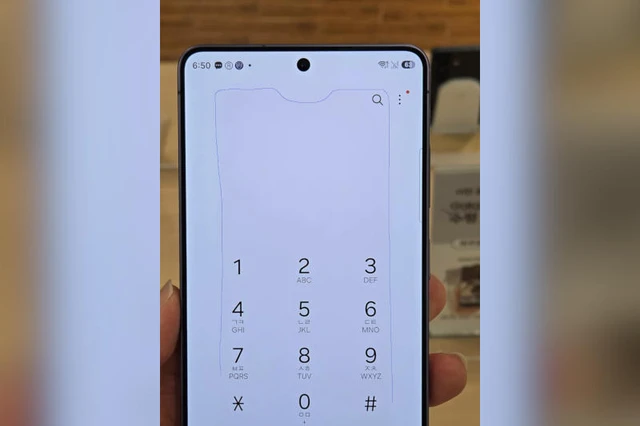
The issue began to surface shortly after the Galaxy S26 Ultra hit the market. Users started reporting a strange visual transformation: device screens gradually acquire a pronounced red tint, and in some instances, a distinct pink rectangle appears in the center of the panel. The progression of the defect is inconsistent. For some owners, the problem became apparent as early as March, immediately following purchase; for others, the color shift developed gradually, intensifying over several months of operation. Notably, similar anomalies were documented even on retail demo units, suggesting a systemic flaw rather than isolated incidents of shipping damage.
Initial attempts to dismiss the phenomenon as an optical illusion or a quirk of color profile calibration proved futile. Samsung was eventually forced to officially acknowledge the defect, although it emphasized that the precise cause of the failure remains undetermined. The company confirmed that an internal investigation is underway to verify the technical drivers behind the image degradation.
Particular scrutiny is being cast on the exclusive Privacy Display feature, implemented only in this model. This technology is designed to restrict viewing angles to prevent onlookers from glimpsing screen content over the owner's shoulder. There is a strong suspicion that this additional layer, or its backlight management algorithm, may be triggering the color distortion. Furthermore, several users have reported severe physiological reactions while using the device, ranging from intense eye strain and headaches to nausea and dizziness. Such symptoms are frequently associated with malfunctioning PWM (Pulse Width Modulation) or a specific emission spectrum, which indirectly supports the theory of a defect within the Privacy Display system.
An alternative theory points toward premature organic LED degradation. In OLED panels, different colors have varying lifespans and wear rates; if one subpixel loses luminance faster than others, the overall white balance shifts, resulting in parasitic tints. If this is indeed an early manifestation of burn-in or chemical delamination of the matrix, it represents a significant failure in material quality control.
The industry now awaits a detailed technical report from Samsung. This situation highlights the inherent risks of integrating radically new features into mass-market flagships without sufficient stress testing—a scenario where the drive for innovation begins to compromise fundamental hardware reliability.
 The Foldable iPhone: A New Chapter for Apple