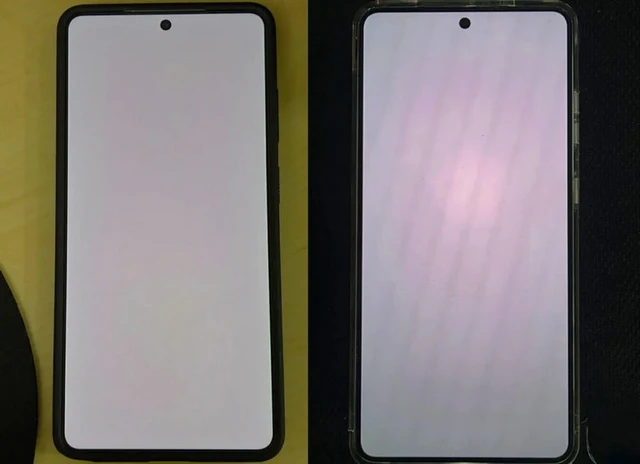
Modern flagship displays demand meticulous calibration; even the slightest deviation in a color profile can be glaringly apparent to the discerning user. The recent "red tint" controversy surrounding the Galaxy S26 Ultra has put Samsung’s quality control under intense scrutiny. The company has officially acknowledged the defect, which impairs visual perception in the center of the display. Fortunately, the resolution is entirely software-based, sparing users from the inconvenience of hardware replacements.
Color reproduction in the new Ultra series has frequently become a flashpoint for debate within enthusiast communities. With the Galaxy S26 Ultra, users have reported a distinct reddish tint concentrated primarily in the center of the display. Such artifacts typically stem from either inherent OLED panel defects or incorrect color profile configurations at the firmware level. For the consumer, the distinction is critical: hardware failure necessitates a module or device replacement, whereas software glitches can be resolved via a code update.
Samsung responded swiftly to these complaints via the Samsung Members app, confirming that the issue is purely software-based. The company previously hypothesized that the color distortion might result from intense ambient lighting when the display is operating at peak brightness. However, recent official communications have pivoted away from this theory in favor of a "software calibration" narrative. This implies that the hardware matrices are functioning correctly, but the color management algorithms require refinement to achieve a reference white balance.
The current resolution strategy is divided into two phases. The first involves direct engagement with service centers; owners can visit authorized service points for free calibration. Notably, this procedure is offered free of charge regardless of the device's warranty status—a move that underscores the manufacturer's acknowledgment of a systemic issue.
The second phase entails the release of an over-the-air (OTA) update, allowing users to correct the color profile remotely. While a specific rollout timeline has not yet been announced, Samsung has confirmed the development of this mechanism to minimize customer friction.
From a technical standpoint, this is the most favorable outcome. Had the issue been rooted in physical degradation or manufacturing defects within the panel layers, the industry would have faced a massive product recall, leading to weeks of queues and logistical chaos. By categorizing the problem as a "software adjustment," Samsung preserves its reputation for reliability while ensuring a rapid fix for the end user.
 Analog Aesthetics in Digital Execution