The global energy transition is often perceived as a gradual evolution, yet certain regions are accelerating the pace at an unprecedented scale. China, long the world's primary consumer of fossil fuels, has reached a symbolic inflection point in its power generation strategy. For the first time in history, the share of coal-fired power plants in total generation for the first half of the year has dipped below the critical 50% threshold. This shift signals a fundamental transformation in the power dynamics of the world's second-largest economy.
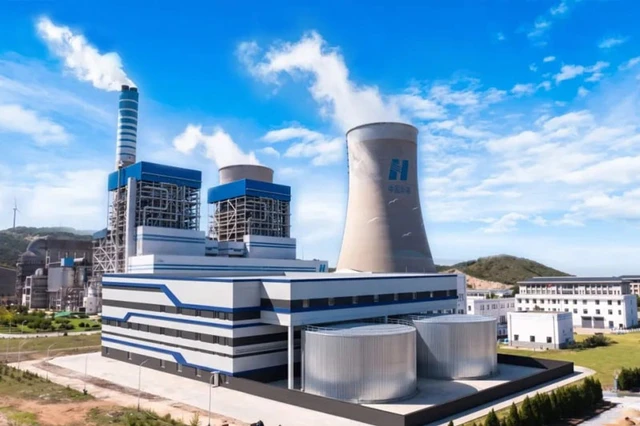
For years, China's energy landscape was defined by the dominance of coal-fired power, which fueled the nation's industrial surge but exacted a staggering environmental toll. However, recent data from the National Energy Administration signals the dawn of a new era. In the first half of the year, coal-fired generation totaled 2.5 trillion kWh, accounting for 49.7% of total output. While the dip below the 50% threshold may seem marginal, from a systemic perspective, it is a critical indicator that the inertia of coal power is finally yielding to alternative sources.
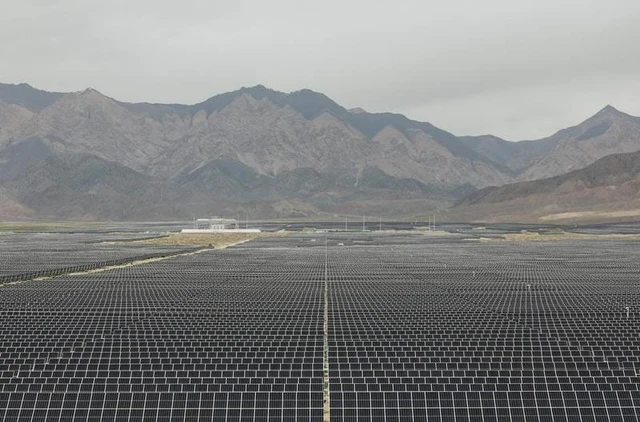
This shift is not a mere market fluctuation; it is the result of a long-term, aggressive scaling of renewable energy sources (RES). China has evolved from the fragmented implementation of "green" technologies to the creation of massive energy clusters. By the end of June, the combined installed capacity of wind and solar power reached a formidable 1.95 billion kW. This represents a 16.8% year-on-year increase, underscoring the rapid expansion of solar arrays and wind farms.
It is crucial to distinguish between installed capacity—which represents potential—and actual generation, which measures real-world efficiency. During the first six months of the year, wind and solar power generated over 1.2 trillion kWh. On a national scale, this volume was sufficient to cover approximately one-quarter of total electricity consumption.
Such dynamics suggest that China is successfully navigating a formidable engineering challenge: integrating intermittent energy sources (solar and wind) into a unified national grid without compromising stability. The decline of coal's share below 50% serves as the first tangible evidence that the decarbonization strategy is moving beyond political rhetoric and into the realm of concrete technical performance.
 Next-Generation Thermal Buffering in China