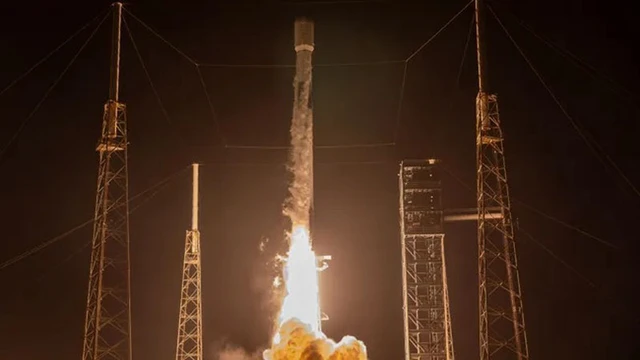
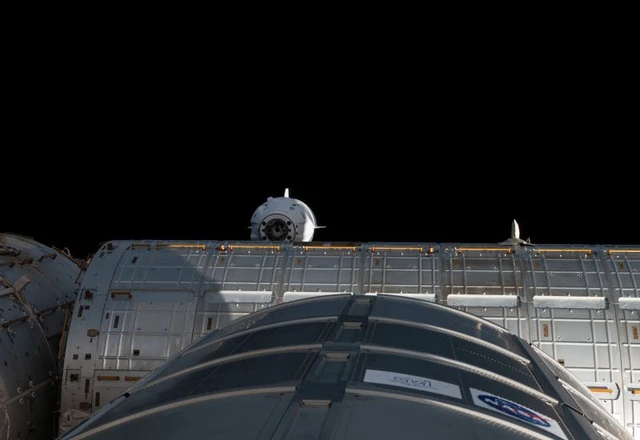
Modern space exploration demands more than just engineering brilliance; it requires staggering amounts of capital. Amidst the extreme capital intensity inherent in such ventures, SpaceX has commanded a level of trust from global investors that is virtually unprecedented in the industry. The company's most recent bond issuance was more than a mere fundraising mechanism; it served as a definitive market plebiscite on the viability of our technological future. The sheer scale of demand underscores a critical reality: the financial world is prepared to fuel the company's expansion, even in the face of a prolonged absence of net profitability.
Financial markets typically view companies with astronomical operating expenses with a healthy dose of skepticism, yet SpaceX continues to defy conventional wisdom. While segments of the expert community questioned the feasibility of a $20 billion bond offering, the reality far surpassed all projections. The company not only closed the deal but expanded the total capital raised to $25 billion.
What is truly striking is not the final figure, but the sheer scale of investor appetite: total demand for SpaceX's debt obligations reached a staggering $90 billion. This indicates that investors view the company not merely as a rocket manufacturer, but as a strategic asset with an unparalleled market position.
Despite this aggressive expansion, the company's financial health represents a delicate equilibrium between massive reserves and even more staggering expenditures. Currently, SpaceX holds approximately $100 billion in cash. For most corporations, such a sum would be excessive, but in the context of developing Starship and deploying the Starlink constellation, these funds are consumed at a rapid pace. According to internal forecasts, the company is not expected to reach breakeven until 2029, underscoring the long-term nature of these next-generation infrastructure investments.
SpaceX's capital allocation strategy has recently become particularly proactive. A recent IPO raised approximately $86 billion, including additional issuance, creating a robust financial bedrock. However, the current $25 billion bond issue serves a very specific operational purpose: debt refinancing.
The bulk of these funds will be used to retire a $20 billion loan secured in March for the acquisition of xAI assets at an annual rate of 4.58%. Transitioning to a bond-based loan allows the company greater agility in managing its debt structure.
The placement was structured into five tranches with varying maturity horizons, stretching from 2031 to 2056. Such a long-term perspective suggests that creditors are playing the "long game," effectively investing in the evolution of humanity as a multi-planetary species. Coupon rates on these securities range from 5.35% for the first tranche to 6.65% for the second, reflecting the market's valuation of risk and the high attractiveness of SpaceX paper in the eyes of global capital.
 The Economic Paradox of the GeForce RTX 5090