For years, switching mobile platforms was a friction-filled ordeal, defined by tedious manual data migration and the constant risk of severing critical digital ties. Apple’s walled garden acted as a "digital lock," tethering users to its ecosystem even when more compelling alternatives emerged within the Android landscape. With the release of Android 17, Google is taking a decisive step toward dismantling these barriers, transforming platform migration into a nearly seamless experience. This is no longer merely about duplicating files; it is about the comprehensive transfer of a user’s entire digital identity.
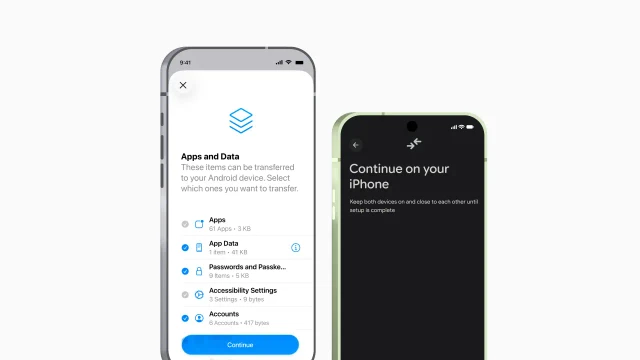
Switching from iOS to Android has long been viewed as a formidable technical hurdle. Where migration tools were once limited to a basic set—photos, contacts, and calendars—Android 17 fundamentally reimagines the concept of "Android Switch." The system now strives for total synchronization of the user experience, enabling the transfer not only of content but also deep system configurations, including passwords, passkeys, and Wi-Fi settings.
Particular emphasis has been placed on communication ecosystems, which typically represent the primary friction point when switching devices. The integration of chat histories from iMessage and WhatsApp, alongside call logs and notes, effectively dismantles the core argument for Apple’s "walled garden." Users can now preserve their familiar home screen layout and even alarm settings, making the transition to a new device virtually instantaneous.
The technical execution of the process has become remarkably flexible: the system supports both traditional wired connections and a completely wireless method via QR code. This streamlines the user journey, reducing the interaction to a few taps and a simple camera scan from the iPhone.
One of the most pivotal technological advancements is the support for eSIM migration. Previously, switching an operator profile often necessitated a visit to a carrier store or the manual entry of complex activation codes. In Android 17, this process is integrated directly into the final stage of device setup. Confirming the transfer of the electronic profile requires nothing more than a double-press of the side button on the iPhone, transforming a cumbersome telecommunications procedure into a simple gesture. It should be noted, however, that the availability of this feature remains subject to individual carrier policies.
Notably, such deep integration has been made possible through direct collaboration between Google and Apple. This approach signals an industry shift toward global interoperability, where user convenience takes precedence over corporate barriers. Currently, the updated migration mechanism is available on flagship Google Pixel devices (8, 9, and 10), as well as the latest Samsung Galaxy Z Flip 8 and Z Fold 8 foldables running Android 17.
 New Frontiers in Kirin Transistor Density