The vision of widespread Urban Air Mobility is evolving, shifting from ambitious conceptualization toward rigorous commercial viability. In a pivotal strategic pivot, aerospace titan Boeing is transferring its core eVTOL research and development to Archer Aviation. This move underscores a broader industry trend toward resource consolidation and an intensified focus on fundamental aviation safety. Ultimately, the deal reshapes the technological landscape of autonomous transit, redefining the leadership hierarchy within the urban mobility market.
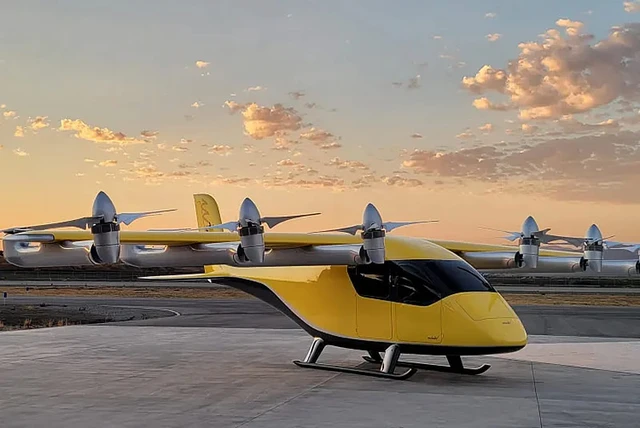
The electric vertical takeoff and landing (eVTOL) industry is currently navigating a period of profound structural transformation. At the center of this shift is a strategic deal between Boeing and Archer Aviation, through which the aerospace giant is transferring three of its key strategic projects. This is far more than a mere divestment of assets; it is the handover of an entire technological ecosystem: Wisk Aero, specializing in fully autonomous aircraft; SkyGrid, developer of intelligent urban air traffic management systems; and Insitu—a division focused on high-altitude drones already deeply integrated into US Navy infrastructure.
For Boeing, this maneuver appears to be a calculated attempt at operational stabilization and a return to its core competencies. The company found itself in a position where its ambitions in the "flying taxi" sector clashed with stringent regulatory requirements and the operational headwinds of its primary business. Against the backdrop of severe incidents involving the 737 Max—including critical fuselage defects identified in 2024—it has become vital for the aviation giant to concentrate all available resources on safety and assembly quality. The financial pressure is equally palpable: Boeing's order book exceeds 6,200 aircraft with a total value of approximately $715 billion, demanding absolute focus on production capacity.
Nevertheless, Boeing is not exiting the sector entirely. By maintaining access to Wisk’s autonomous systems for its own defense and commercial needs and acquiring a stake in Archer Aviation, the company is hedging its bets—preserving the option to re-enter the fray once the eVTOL market reaches a higher level of maturity and predictability.
For Archer Aviation, this deal serves as a potent catalyst for acceleration. By gaining access to the intellectual property of Wisk Aero and SkyGrid, the company is drastically compressing the timeline from prototyping to commercial deployment. Plans to launch pilot routes in New York, Texas, and Florida by the end of this year are now supported by a far more robust technological foundation. Simultaneously, Archer is aggressively expanding into the military segment, developing specialized aircraft in collaboration with Anduril—the firm led by Palmer Luckey, renowned for his innovations in autonomous defense systems.
The historical context of the relationship between Archer and Wisk Aero is particularly telling. Wisk emerged in 2019 as an ambitious venture between Boeing and the startup Kitty Hawk, backed by the capital of Google co-founder Larry Page. Over years of development, Wisk evolved through six generations of eVTOLs, conducting over 1,700 test flights—creating a vast repository of data on the behavior of autonomous systems in flight.
The path to this partnership was fraught. In 2021, the companies clashed in court, with Wisk accusing Archer of misappropriating trade secrets and patent infringement. Ultimately, however, industrial pragmatism prevailed over litigation. By 2023, the conflict was resolved, and Wisk became the exclusive provider of autonomy technology for Archer. Today’s consolidation of assets is the logical conclusion of this evolution, transforming former adversaries into a unified technological vanguard aimed at capturing the skies above the world's megacities.
 Anthropic’s Strategic Push for Hardware Independence