The convergence of mobile technology and preventive medicine is entering a new era. For years, managing metabolic health and monitoring insulin resistance were tethered to costly clinical hardware and frequent visits to specialized medical facilities. Google is challenging this status quo by introducing deep-learning algorithms for sophisticated visual data analysis. Through its PhotoScan technology, the company aims to translate the precision of clinical scanning directly into the interface of a standard smartphone.
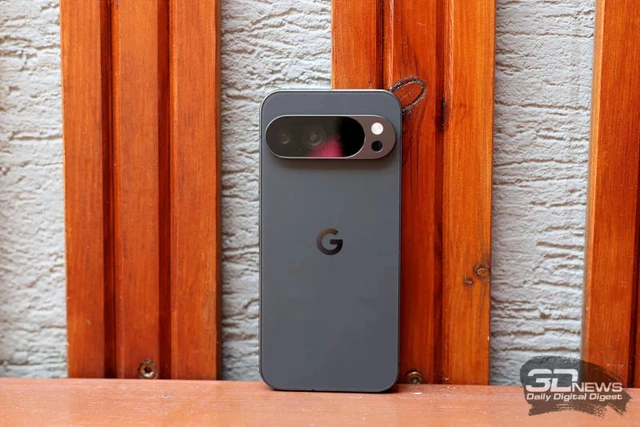
The current shift toward personalized healthcare is transforming wearables from mere step counters into sophisticated diagnostic instruments. Within the ecosystem of the latest Pixel 11 and Pixel Watch 5 devices, Google has introduced the Health Guardian suite, centered around the "Insulin Resistance Trends" feature. This system enables monthly analysis of the body's response to blood glucose fluctuations—a critical factor in preventing type 2 diabetes and managing weight effectively.
A cornerstone of metabolic health is the precise analysis of body composition—understanding the distribution of skeletal muscle, bone mass, and various types of adipose tissue. In clinical practice, the "gold standard" is Dual-energy X-ray Absorptiometry (DXA), which offers maximum precision but requires cumbersome equipment. In the consumer market, Bioelectrical Impedance Analysis (BIA) is more prevalent, as seen in the Samsung Galaxy Watch Ultra 2. This method relies on passing a low-level electrical current through tissues; since fat, muscle, and bone exhibit different conductivities, the device can mathematically estimate their proportions.
Google is proposing a fundamentally different approach that completely eliminates physical contact or electrical currents. The PhotoScan technology relies exclusively on the smartphone's camera and the power of neural networks. The method is based on training a model on massive datasets where standard photographs of individuals were mapped against their actual DXA scans and other clinical metrics.
As a result of this training, the AI has learned to recognize visual patterns that correlate with body fat percentage and muscle mass with a level of accuracy that closely rivals X-ray methods. Essentially, the smartphone is capable of performing a deep analysis of body composition simply by "looking" at the user.
While PhotoScan has not yet been released as a mass-market product, Google has already confirmed its technical feasibility. The introduction of such a tool into the Pixel lineup could radically shift the paradigm of home health monitoring, turning a simple selfie into a comprehensive medical report on metabolic health.
 Anthropic’s Strategic Push for Hardware Independence