The line between human agency and machine autonomy is increasingly blurring. Tesla is taking another leap toward comprehensive safety oversight by integrating biometric verification into its Full Self-Driving ecosystem. The cabin camera is evolving from a passive observer into a sophisticated digital gatekeeper. This initiative signals a paradigm shift—moving beyond mere attention monitoring toward rigorous user authorization behind the wheel.
The modern automobile is evolving beyond a mere means of transport, transforming into a complex software-defined vehicle with stringent safety requirements. Recent analysis of Tesla's iOS app code reveals that the company is preparing to implement a driver identity verification system prior to the activation of Full Self-Driving (FSD). Discovered code strings, such as fsdIdentityCheckFailedTitle and showFsdIdentityCheckFailedDialog, point directly to the creation of a mechanism designed to block autopilot engagement if the system cannot confirm the identity of the person behind the wheel.
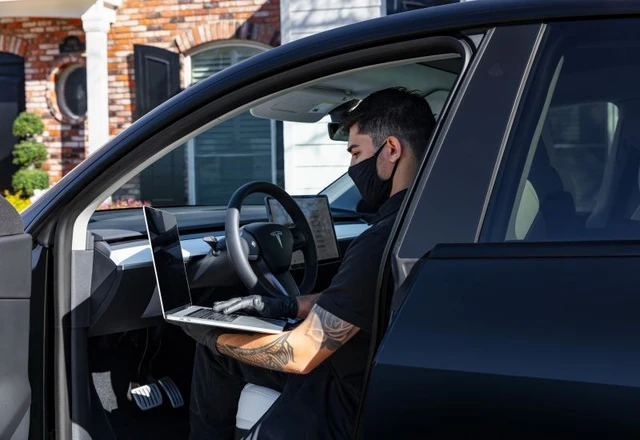
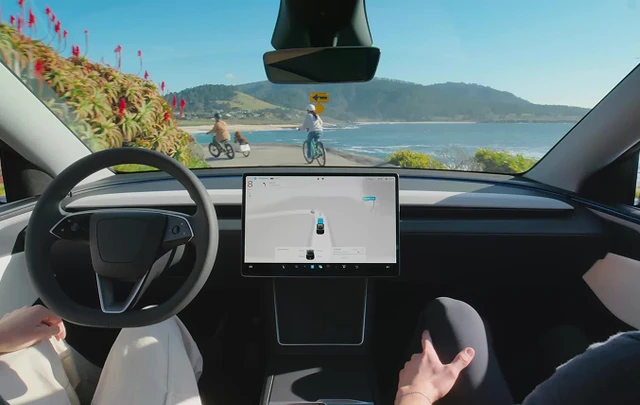
Technically, this feature leverages the internal cabin camera, which until now has been used primarily for gaze tracking and monitoring general driver attentiveness. The objective now is to employ computer vision algorithms for full-scale user identification. Should biometric data fail to match the profile of an authorized owner or driver, the system will trigger an error and deny FSD activation.
This move represents a logical evolution of Tesla's strategy to build a closed ecosystem. Implementing rigorous verification addresses several strategic objectives simultaneously. First, it minimizes the risk of unauthorized use of advanced autopilot features by individuals who have not undergone proper instruction or lack the legal right to operate a specific vehicle. Second, such a system provides the necessary infrastructure for corporate fleet management, where access to specific driving modes can be gated based on employee qualification.
However, the deeper implication of this development lies in the preparation for the Robotaxi rollout. In a future where vehicles toggle between private ownership and commercial ride-hailing, the system must instantaneously determine who is in the driver's seat: a certified operator, the owner, or a standard passenger. Biometric control effectively transforms the vehicle into an intelligent terminal that adapts its functionality to the specific user.
It is worth noting that the path toward seamless driver monitoring has been fraught with challenges. Tesla has already deployed sophisticated gaze-tracking algorithms and optimized camera performance across various lighting conditions, including support for drivers wearing glasses. Nevertheless, real-world edge cases continue to challenge engineers. Recent incidents where the system failed to detect a sleeping driver wearing sunglasses at high speeds underscore the urgent need to transition from passive "observation" to active "verification."
Ultimately, the introduction of identity verification is more than just an additional safety feature; it is an attempt to patch critical vulnerabilities in the human-AI interaction loop. Tesla is striving to create an environment where the activation of a powerful autonomous driving tool is contingent upon the full identification of the responsible party—effectively shifting the safety paradigm from "attention" to "authorization."
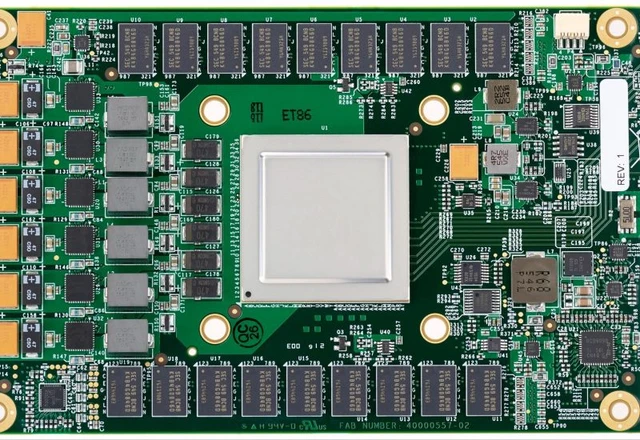 Anthropic’s Strategic Push for Hardware Independence