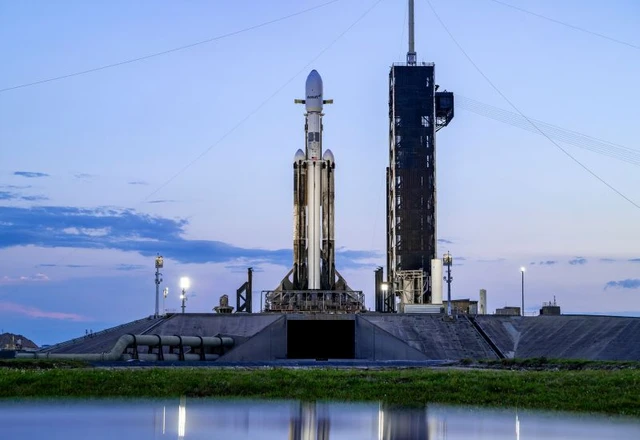
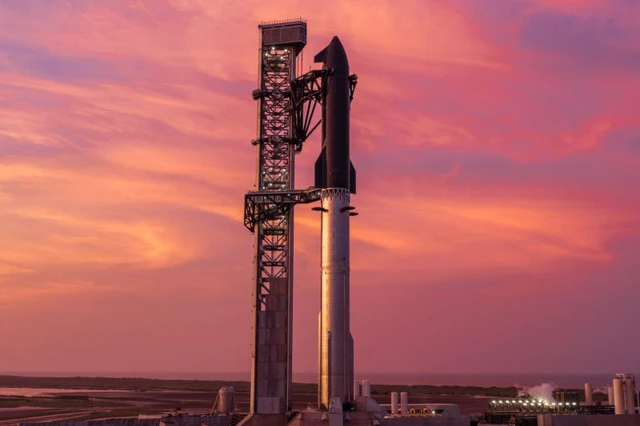
For decades, modern space exploration has relied on solar energy—a resource that proves futile in the shadow of planetary bodies or the vast void of deep space. Conventional batteries offer only a temporary reprieve, inevitably degrading under the onslaught of extreme cosmic conditions. The emergence of betavoltaic cells marks a pivotal transition toward true energy autonomy for orbital spacecraft. With the launch of the BOHR mission, a new chapter begins in the commercialization of nuclear power sources, laying the essential groundwork for a sustained human presence beyond Earth's orbit.
The orbital deployment of the Betavoltaic Orbital High-Reliability (BOHR) demonstration satellite marks a watershed moment for the space technology industry. Launched as part of the Transporter-17 mission aboard a Falcon 9 rocket, the spacecraft is the world's first commercial satellite powered by a nuclear energy source. This milestone shifts the paradigm of nuclear power in space, moving it from the realm of classified government programs into the sphere of accessible commercial solutions.
Power supply remains one of the most pressing challenges in space exploration. Despite their efficiency, solar panels possess a critical vulnerability: they are rendered useless when a spacecraft is in Earth's shadow or venturing into deep space, where solar flux drops to a minimum. Chemical batteries, intended to mitigate these outages, have limited lifespans and are prone to degradation, jeopardizing the longevity of high-cost missions. Nuclear energy offers a transformative solution, ensuring a continuous power supply regardless of external environmental conditions.
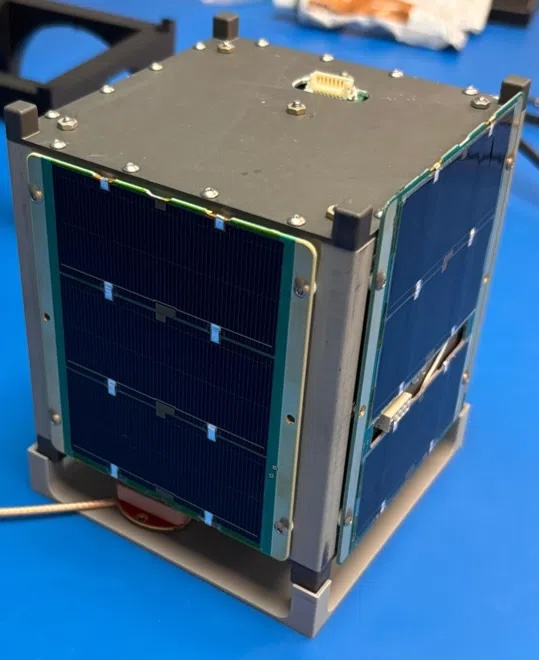
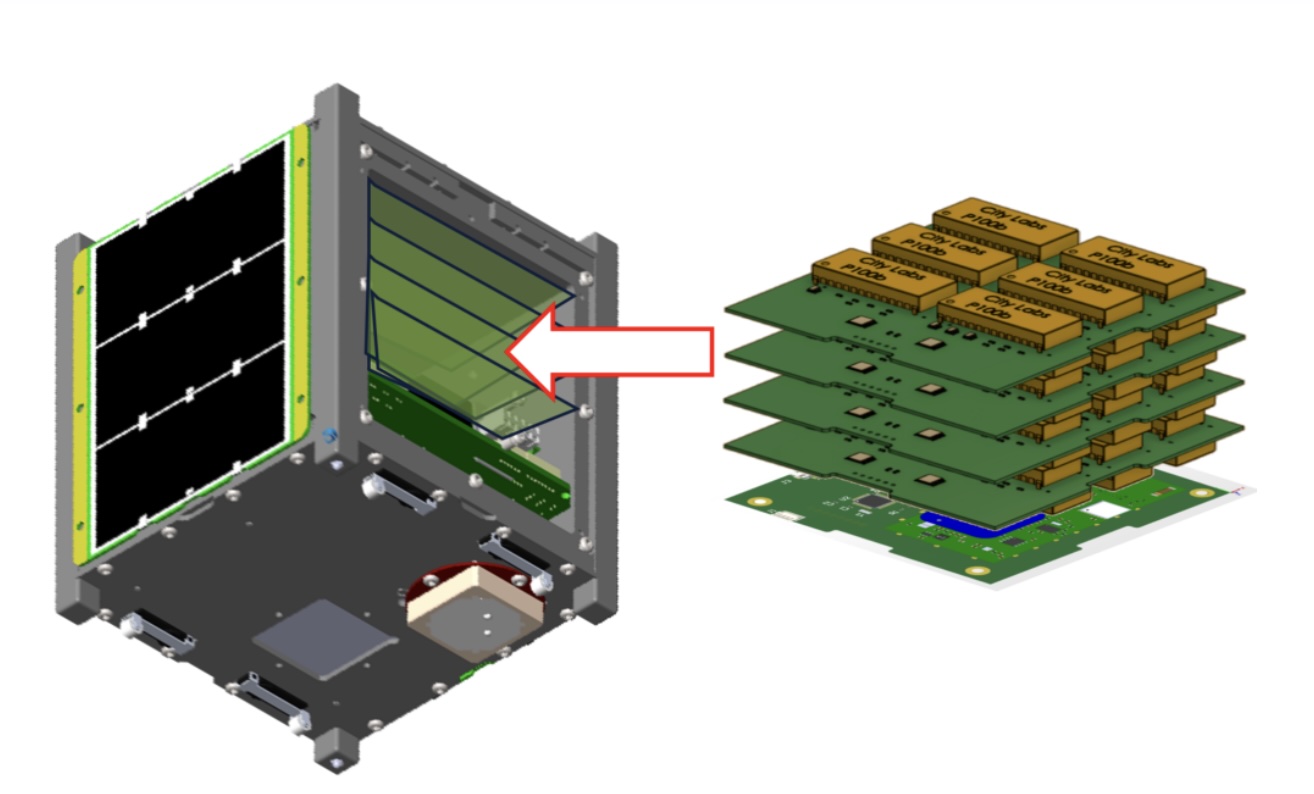
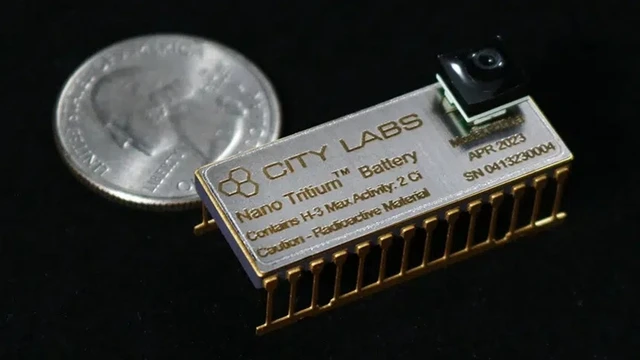
At the heart of BOHR is the proprietary NanoTritium system. Unlike traditional nuclear reactors that rely on the fission of heavy nuclei, betavoltaic elements operate on the principle of the natural beta decay of tritium. This represents a fundamental departure in energy generation: there are no moving parts, no liquid electrolytes, and no complex cooling systems. Consequently, the risks of combustion or thermal runaway—which make classical reactors hazardous—are entirely eliminated.
The energy conversion process within NanoTritium is remarkably clean; as the tritium fuel decays, it transforms into helium-3, a stable and completely non-radioactive isotope. Due to the ultra-low levels of radiation emission, these systems can be safely transported and integrated into standard commercial launch vehicles without the need for specialized radiation shielding or excessive safety protocols.
The current mission utilizes a hybrid power architecture. While the satellite's primary module continues to operate on solar energy, the nuclear battery powers and verifies the primary payload. This approach allows for a real-time efficiency comparison between the two systems, validating the reliability of the betavoltaic element in the harsh environment of open space.
The realization of the BOHR project required close coordination with regulators and government agencies. Final authorization from the U.S. Federal Aviation Administration (FAA), granted in September 2025, confirmed the technology's safety for commercial sector use. The strategic importance of the mission is further underscored by support from NASA, the U.S. Department of Defense, and the Air Force Research Laboratory (AFRL).
Light-independent power sources are becoming particularly crucial in the context of the Artemis program. For future lunar bases and missions to the outer reaches of the Solar System—where lunar nights can last for weeks—NanoTritium technology may become the only viable means of maintaining life-support systems and operating scientific instrumentation.
The operational execution of the launch also demonstrated the high efficiency of modern space logistics. The launch took place on July 7, 2026, from Vandenberg Space Force Base in California. The Falcon 9 rocket, featuring first-stage booster B1097 on its eleventh flight, successfully delivered the payload to orbit before performing a nominal landing on the autonomous drone ship Of Course I Still Love You in the Pacific Ocean.
 Robust Laser Communication via the Topology of Light