Urban mobility is undergoing a fundamental transformation as artificial intelligence algorithms steadily supplant human intuition behind the wheel. London has emerged as the latest focal point in the global shift toward fully autonomous transportation. A strategic partnership between Uber and the British startup Wayve is transforming the capital's streets into a large-scale proving ground for the commercial deployment of driverless systems. While human oversight remains in place, this move signals the dawn of a new era in urban logistics.
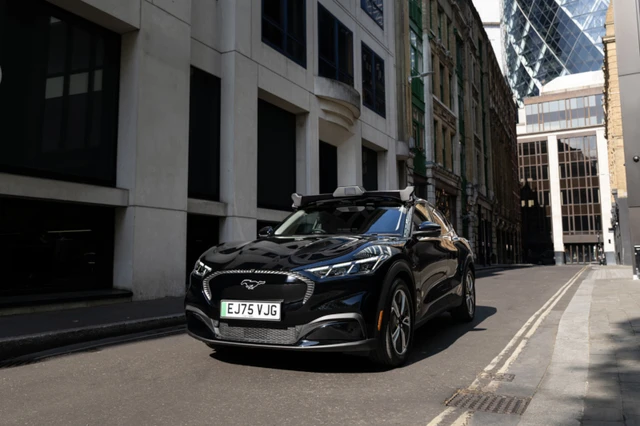
The integration of Wayve’s technology into the Uber ecosystem signals a pivotal shift in the landscape of British urban mobility. Passengers utilizing UberX, Uber Comfort, and Uber Electric may now find themselves matched with a Ford Mustang Mach-E powered by cutting-edge autonomous driving systems. The experience remains transparent: riders are notified of the vehicle's specific capabilities and retain the option to opt for a traditional human-driven ride.
The road to this deployment has been arduous. Wayve began training its neural networks amidst the chaotic streets of London as early as 2018, leveraging deep learning to adapt vehicles to the volatility of urban environments. However, technical maturity had to align with regulatory approval. It wasn't until August that the company secured the necessary operating license, finally allowing the first fleet units to hit the pavement.
At this stage, safety remains the absolute priority; consequently, a safety driver remains in the cabin. Their role is to monitor the environment and intervene instantaneously during critical scenarios. The transition to full autonomy will require time and further data accumulation, but this phase serves as a critical bridge between experimental prototypes and a fully realized commercial service.
The economic model for these robotaxi trips mirrors standard pricing, ensuring the technology remains accessible to the mass market. A telling detail emerges in the user interface: the app intentionally removes the option to leave a tip, despite the presence of a human controller. This underscores a fundamental paradigm shift—moving from a "driver-client" relationship to a "technology-user" experience.
The London deployment is merely one facet of Uber’s broader global expansion. The company is already aggressively scaling its autonomous fleets across the US, spanning Dallas, Las Vegas, Atlanta, and Austin, with imminent plans to expand into Los Angeles and the San Francisco Bay Area. The project's ambitions extend far beyond the Anglosphere; the next strategic milestone will be the launch of autonomous Nissans in Tokyo. This move confirms a shared vision to establish a universal standard for urban mobility, entirely independent of the human factor.
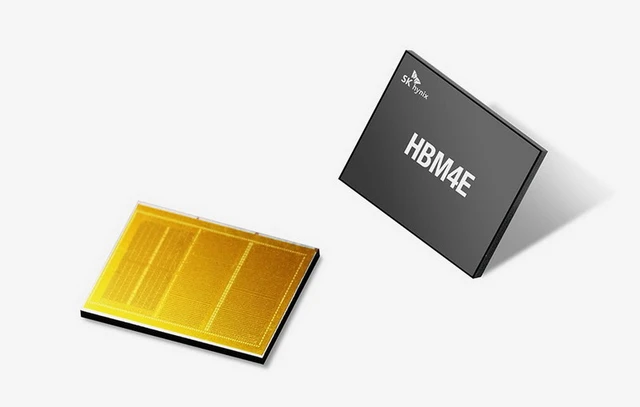 The Expansion of the 1c Process Node in DRAM