Apple is entering a phase of profound ecosystem transformation, where hardware is evolving into a mere vessel for the deployment of generative AI. This paradigm shift transcends simple silicon upgrades; it represents a fundamental reimagining of the user-device interface. From touch-enabled laptops to intelligent home hubs, the company is orchestrating a massive leap forward across its entire product portfolio. By mid-2027, the market can expect sixteen pivotal releases that will effectively blur the lines between distinct device categories.
Apple's strategic roadmap for the coming years is centered on the synergy between generative AI capabilities and the evolution of physical interfaces. The primary and most visible vector is the deep integration of the Siri AI assistant across all segments of home electronics. Updates to the HomePod mini and Apple TV are expected in the near term. While their external aesthetics may remain familiar, the internal architecture will undergo a significant overhaul: the Apple TV will feature a new processor optimized for on-device large language models (LLMs), transforming Siri into a fully realized intelligent hub for media content management.
Of particular interest is a new home hub—a hybrid of a smart speaker and a square display. This device is designed to be the "face" of the smart home, merging video conferencing capabilities with personalized information delivery. Leveraging facial recognition, the hub will adapt content to the specific user, generating an individual digital profile in real time. The device will run on a dedicated operating system engineered specifically for Siri AI.
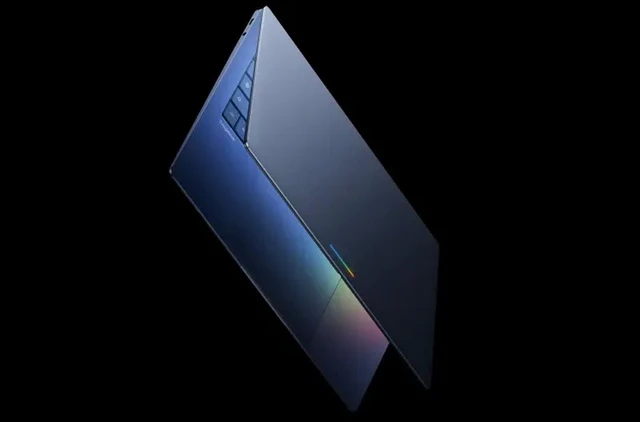
In the personal computing segment, Apple is preparing its most radical pivot since 2021. The MacBook Pro lineup will not only adopt OLED panels—delivering perfect blacks and superior energy efficiency—but will also introduce a touch interface. This move represents a strategic response to market demand for the convergence of tablet and laptop form factors. The architectural backbone of these new models will be the M5 Pro and M5 Max chips, providing the necessary computational headroom for complex workloads and AI processing. Simultaneously, the entry-level MacBook Pro and iMac models will be updated with M6 processors, introducing a refreshed chassis aesthetic and enhanced performance.
The tablet segment is also poised for a substantial overhaul. The iPad mini will finally receive an OLED display, marking the most significant upgrade in the history of this compact series. Software support for these hardware refreshes will be provided by the latest iterations of the OS: macOS 27.1 and iPadOS 27.1, which will serve as the connective tissue between the new hardware and intelligent services.
The first half of 2027 will see a further expansion of the product lineup. The MacBook Air, in its standard 13- and 15-inch form factors, will transition to the M6 architecture while maintaining its minimalist design. Parallel to this, a second-generation MacBook Neo will emerge, powered by the A19 Pro chip—a calculated strategic pivot that brings mobile silicon into the laptop class to achieve maximum battery autonomy.
The evolution of the iPad will continue toward democratization and efficiency. For the first time, the base iPad model will support Siri AI, positioning it as an ideal tool for education and children. Meanwhile, the iPad Pro will focus on solving thermal management challenges: the implementation of vapor chambers will allow the processor to maintain high clock speeds without throttling, borrowing a page from flagship smartphone engineering. The iPad Air lineup will also transition to OLED matrices, narrowing the technological gap with the Pro versions.
The iPhone 18 smartphone lineup will diversify into distinct tiers. The base model, powered by the A20 chip, will serve as the gateway into the ecosystem, while the iPhone 18e will focus on lowering the barrier to entry. Most intriguing is the iPhone Air 2—an ultra-thin device based on the A20 Pro, where the emphasis is placed on aesthetics and endurance despite the physical constraints of the chassis.
Rounding out this cycle will be an update to the peripherals. New versions of the Apple Pencil Pro and USB-C accessories will be synchronized with the launch of the new tablets and the foldable iPhone Duo.
A look toward the second half of 2027 reveals even more ambitious horizons. The company's plans include laptops powered by M7 chips, fully realized Apple smart glasses that could redefine augmented reality, and AirPods with integrated cameras. This technological cycle will culminate in the release of an anniversary iPhone series and the second generation of Duo foldables, marking Apple's transition into a new era of wearable and transformable hardware.
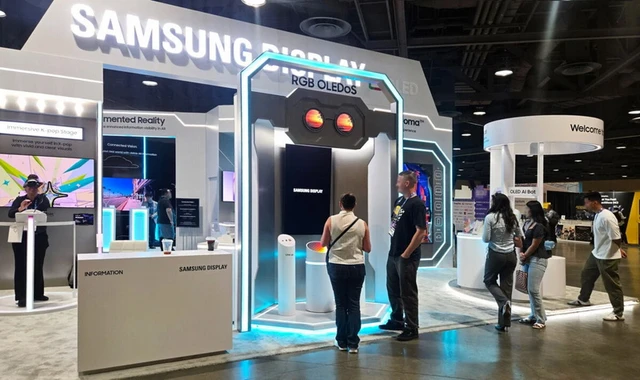 Samsung M16: A New Standard for OLED Panels