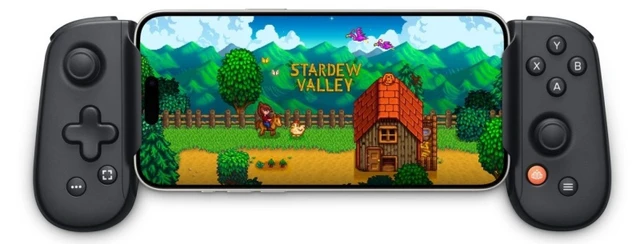
Mobile gaming is undergoing a fundamental metamorphosis, evolving from simplistic casual apps into full-scale AAA experiences. Yet, the absence of tactile controls remains the primary obstacle to deep immersion when navigating complex gameplay mechanics on a touchscreen. Apple aims to bridge this divide by introducing its own proprietary, specialized controllers. This move signals a strategic pivot toward the creation of a cohesive gaming ecosystem that seamlessly integrates the iPhone and Apple TV.
The mobile gaming landscape has long since evolved beyond the era of simple time-killers. With the introduction of high-performance A-series chips and the pivot to Apple Silicon, Apple hardware has gained the muscle to drive heavyweight console titles. Yet, computational power is only half the equation; a truly immersive gaming experience demands a commensurate interface. This is why the discovery of new controller references within the iOS source code has become such a pivotal event for the tech community.
Insider reports, corroborated by Bloomberg analysts, indicate that peripheral development has been simmering in Cupertino for quite some time. System code reveals identifiers for two distinct models: the T6502 and the T1057. Preliminary data suggests these controllers will feature a standard industry toolkit: analog sticks, a D-Pad, and haptic actuators for tactile feedback. The integration of an accelerometer and gyroscope is also probable, facilitating the precision and fluidity in dynamic scenes that modern console gamers expect.
Apple’s marketing strategy is where things get particularly intriguing. Evidence suggests the hardware will be launched under the Beats banner. From a positioning standpoint, this is a calculated move. The Apple brand is synonymous with premium luxury and uncompromising build quality—traits that inevitably command a premium price point. Beats, conversely, appeals to a broader, youth-centric, and more price-sensitive demographic. By leveraging this sub-brand, Apple can utilize more cost-effective materials and components without eroding the prestige of its primary brand, effectively lowering the barrier to entry for the mass-market gamer.
This initiative transcends the mere desire to sell peripherals; Apple is orchestrating a deeper synergy across its product ecosystem. The introduction of a first-party, high-fidelity controller would provide a significant catalyst for the Apple TV 4K, transforming the device into a legitimate gaming hub. As AAA titles begin to migrate to iOS and macOS, specialized hardware becomes a critical driver of user engagement.
Ultimately, we are witnessing Apple’s attempt to close the loop of content consumption within its own ecosystem: from the silicon and the display to the ergonomic interface. This evolution transforms the iPhone from a multifunctional smartphone into a comprehensive gaming platform, positioning it to compete directly with traditional consoles in the handheld market.
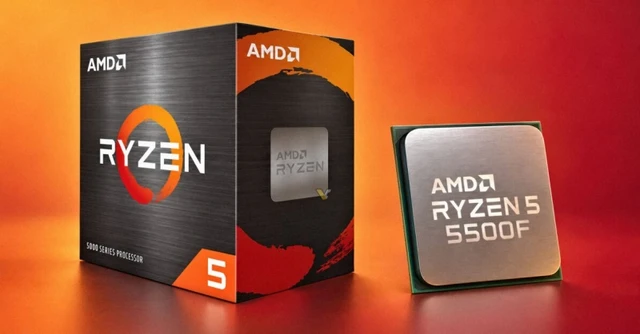 Affordable Entry Points into the AM4 and AM5 Ecosystems