The foldable device market has long served as a proving ground for technological experimentation, a space where Samsung maintained an unchallenged lead. The debut of the iPhone Duo was expected to shift the balance of power; however, the initial consumer response proved paradoxical. Rather than capturing the spotlight, Apple inadvertently provided a powerful catalyst for its primary rival. Now, pricing strategies and availability timelines have become the decisive factors in the battle for the premium segment.
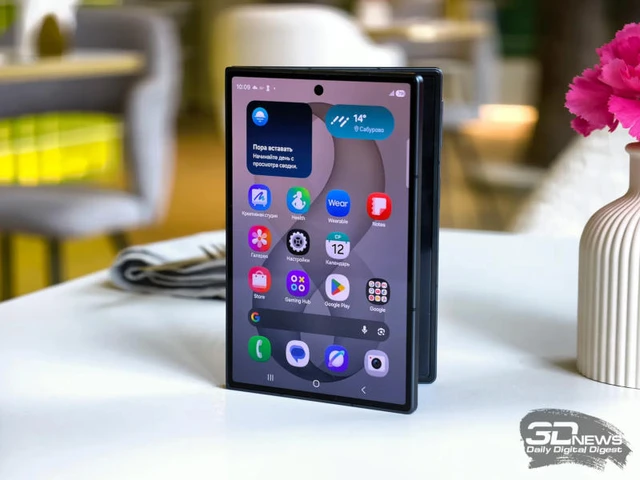
The market debut of the foldable iPhone Duo has elicited a polarized response across the industry, with pricing emerging as the primary point of contention. While the price delta between Apple’s newcomer and its direct rival, the Samsung Galaxy Z Fold8, remains narrow in the US—approximately $100—the gap widens significantly in other regions, directly influencing consumer behavior and market valuations.
This trend is most pronounced in South Korea. According to reports from Maeil Business News, sales of the Galaxy Z Fold8 on Samsung's domestic market surged by roughly 10% following the iPhone Duo announcement. Analysts attribute this spike to a "deferred demand" phenomenon: a segment of the audience intentionally delayed their purchase, waiting for Apple’s foldable entry to conduct a side-by-side comparison. Upon evaluating the final specifications and price point of the iPhone Duo, many users ultimately opted for Samsung’s established alternative.
The price disparity in the Korean market is particularly stark. While the Galaxy Z Fold8 starts at 2.28 million won (approximately $1,645), a comparable iPhone Duo configuration is priced at 3.29 million won (roughly $2,375). Such a substantial premium renders Samsung's offering far more compelling for the discerning consumer, even within the ultra-premium segment.
Beyond the financial metrics, technical execution plays a critical role. Leveraging years of iterative refinement in foldable display technology, Samsung offers a device with slimmer bezels and a lower overall weight. As Apple enters the fray, Samsung demonstrates a level of product maturity that, coupled with aggressive pricing, creates a formidable barrier to the iPhone Duo’s expansion.
A temporal gap further complicates Apple's entry. The iPhone Duo will not reach general availability until the second half of October, granting Samsung a strategic window to consolidate its market share. While the ultimate outcome of this rivalry will only be clear once both devices clash on retail shelves, current dynamics suggest that Apple's premium pricing and delayed launch may prove to be a windfall for the Korean giant.
 Analog Aesthetics in Digital Execution