The smartphone market has endured a prolonged period of stagnation, leaving foldable devices as the sole catalyst for genuine technological advancement. Despite the inherent engineering complexities, flexible displays are steadily evolving from costly experiments into viable mass-market products. Apple's entry into this niche could fundamentally shift the competitive landscape, transforming a regional trend into a global industry standard. Market analysis suggests that the debut of an iPhone Ultra will serve as the catalyst for a sweeping restructuring of the entire industry.
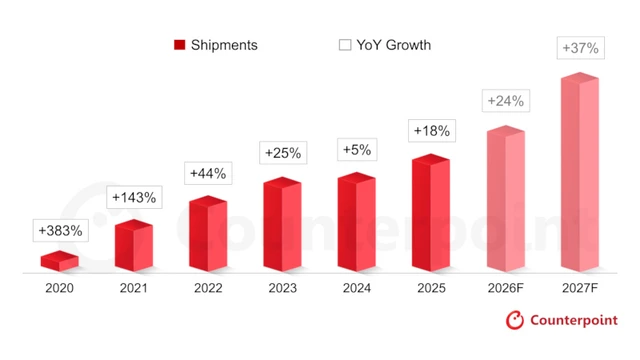
The contemporary mobile device market is undergoing a fundamental transformation. Foldable smartphones, long regarded as a niche curiosity for enthusiasts, are finally beginning to scale. While their current market share stands at a modest 2%, the growth trajectory is striking. A sequential surge is expected over the next two years—first by 24%, followed by another 37%. By the end of the current year, total global shipments of these devices are projected to surpass the 100-million-unit milestone.
The competitive landscape is crowded, featuring heavyweights from Samsung and Huawei to Motorola, Honor, Google, Vivo, Oppo, and Xiaomi. However, Apple’s historical playbook suggests the company rarely strives to be the first mover in a new category. Instead, Apple typically waits for a technology to reach maturity before entering the segment with a meticulously refined product that redefines standards for quality and usability.
The introduction of an "iPhone Ultra" would trigger an immediate seismic shift in market dynamics. According to data from Counterpoint Research, even with a late entry, Apple could ship up to 6 million foldable devices by year-end. This would allow the company to instantly capture 25% of the market, leapfrogging Huawei (22%) and trailing only the current leader, Samsung, whose share is estimated at 38%.
This rapid ascent is fueled by deep-seated ecosystem loyalty and significant pent-up demand from users who have been waiting for the "definitive" foldable iPhone. In the long term, Apple's strategy appears even more ambitious. Shipments are expected to more than double next year, potentially pushing the company's market share to 40%.
Consequently, Apple would not merely become a major player but would likely unseat Samsung from the top spot. This scenario illustrates a textbook trajectory for the premium electronics segment: the technological leadership of early pioneers is frequently superseded by the market dominance of the player who delivers the most cohesive and commercially successful user experience.
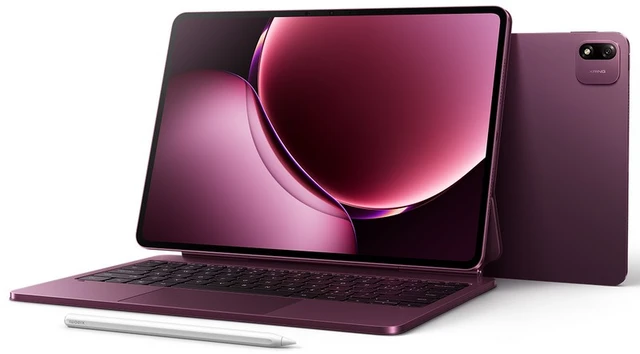 Power and Poise: The Xiaomi Pad 9 Pro Max