The global AI arms race is demanding unprecedented computational power and a fundamental reimagining of infrastructure architecture. While the data center market has long been the exclusive domain of a handful of industry titans, Apple is poised to venture far beyond its traditional consumer stronghold. The company is currently engineering enterprise-grade server solutions capable of radically disrupting current data processing paradigms. This strategic pivot transforms the architect of premium consumer electronics into a provider of heavy-duty AI infrastructure.
Apple's pursuit of vertical integration has reached its zenith. Following the triumphant transition to proprietary silicon in its consumer devices, the company is now shifting its focus toward developing high-performance systems for the enterprise sector. At the heart of these developments are the M8 Ultra processors—chips engineered to provide the compute density essential for training and deploying complex neural networks.
The project envisions two distinct server configurations. The first, a more compact version, will be powered by two M8 Ultra processors, while the flagship solution will integrate four such dies. This level of scaling far exceeds the scope of Apple's traditional workstations, transforming the device into a full-fledged data processing node capable of competing with industry standards.
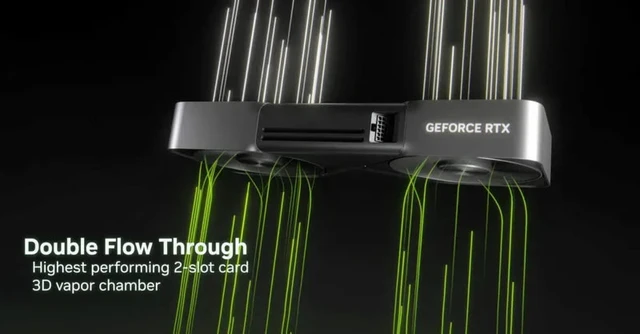
Of particular interest is a potential strategic alliance with Nvidia. Despite Apple's drive for total autonomy, realizing its server ambitions may require specialized networking infrastructure. Specifically, this involves the implementation of NVLink Fusion—a high-speed interconnect system comprising specialized switches and chiplets. Leveraging Nvidia's technology would allow Apple to eliminate data transmission bottlenecks between processors within a single server and across individual nodes in a data center, ensuring minimal latency and maximum throughput.
Such a move is unexpected given the historical insularity of the Apple ecosystem; however, the pragmatics of the AI market dictate the terms. Integrating third-party networking solutions may be the only viable path for a rapid market entry where chip interoperability standards have already been established.
The target audience for these systems is broad, ranging from specialized AI research laboratories to government agencies and large-scale corporations. Apple aims to offer the market a unique synthesis of the energy efficiency inherent in its ARM-based architecture and colossal raw power, augmented by Nvidia's networking technologies.
The project is under the close supervision of the company's top leadership, specifically overseen by John Ternus. Although the first commercial shipments are not expected until 2029, the very preparation for this leap signals a commitment to long-term strategic planning. Apple is not merely creating a new product; it is laying the foundation for its own cloud and infrastructure future, where hardware and the software stack operate in absolute synergy.
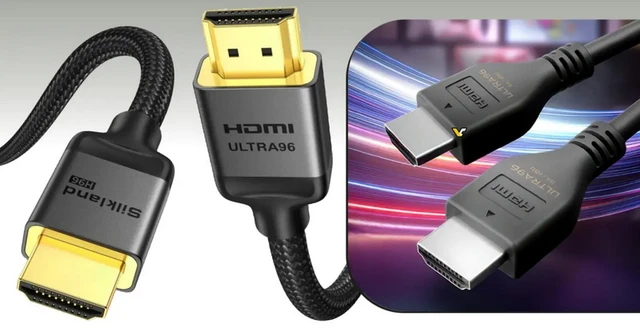 HDMI 2.2: The New Standard for Data Transmission