The global AI boom has precipitated a critical shortage of semiconductor memory, directly driving up the cost of consumer electronics. Faced with skyrocketing DRAM prices, Apple is being forced to explore unorthodox cost-optimization strategies. The tech giant has entered into high-stakes negotiations with U.S. authorities in an attempt to secure access to suppliers currently on sanction lists. This precedent underscores the profound tension between national security imperatives and economic pragmatism within the modern high-tech landscape.
The contemporary DRAM market is weathering a period of significant volatility, driven by the explosive growth of generative AI. Massive quantities of memory are being absorbed by data centers for neural network training, triggering a ripple effect: component shortages have led to sharp price hikes even within the consumer segment. For Apple, this has become a critical pressure point, driving up costs for end-user devices and even refurbished iPhones utilizing legacy components.
In an effort to stabilize its financial performance and reduce reliance on incumbent vendors such as Samsung, SK Hynix, and Micron, Apple has petitioned the U.S. Department of Commerce for authorization to procure components from ChangXin Memory Technologies (CXMT), a Chinese firm. The situation is complicated by the fact that CXMT has been blacklisted by the U.S. Department of Defense since 2022. Under the 1260H list, the company is suspected of ties to the Chinese military, rendering any partnership a matter of national security for Washington.
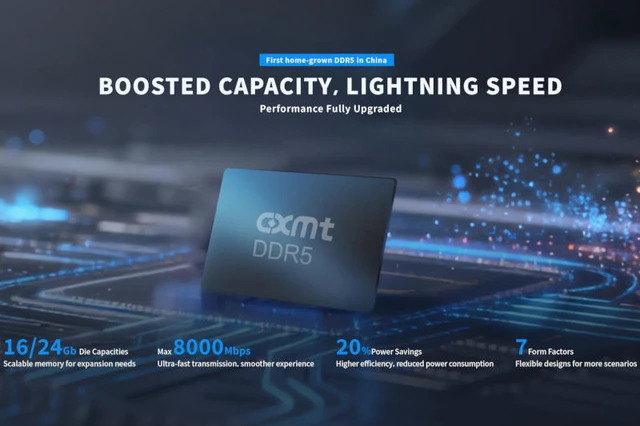
CXMT stands as the dominant force in China's DRAM market and represents the only viable domestic alternative to the industry's global leaders. For Apple, integrating CXMT components would not only lower production costs but also provide additional leverage within its supply chain. However, this strategy carries substantial reputational and political risks.
Apple's relationship with Chinese semiconductor firms has a contentious history. The company previously explored sourcing chips from YMTC for devices destined exclusively for the Chinese market, sparking fierce criticism from U.S. lawmakers. At the time, Marco Rubio, an influential political figure, explicitly warned the company of "unprecedented scrutiny" from the federal government should such deals proceed—effectively accusing Apple of playing a dangerous game.
Currently, Apple's initiative has evolved into a large-scale lobbying effort. The company is attempting to convince the U.S. administration that economic imperatives and market competition should temporarily outweigh geopolitical restrictions. This creates a striking paradox: while Apple seeks to diversify its manufacturing to reduce dependence on China, it is simultaneously attempting to deepen its technological ties with Chinese memory suppliers.
The outcome of this standoff will serve as a critical bellwether for how flexibly U.S. authorities are willing to apply sanctions regimes in the interest of their largest corporations. While there is no official confirmation of a deal, Apple's attempt to bypass these restrictions underscores just how acute the pressure on the memory market has become in the age of AI.

 The Price of Acceleration: CXMT’s Rapid Push into Memory