The boundary between manual coding and AI orchestration is rapidly dissolving. Modern software engineering is evolving beyond basic code completion, shifting toward the comprehensive intellectual auditing of complex systems. The release preparation for the sqlite-utils library serves as a prime example of the efficacy of cross-verifying code across multiple models—a methodology that enables the detection of critical flaws that might otherwise elude even the tool's own architects.
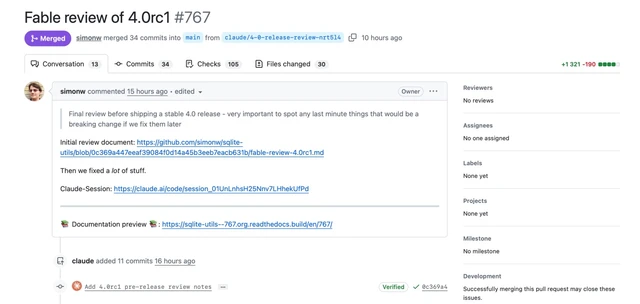
The preparation of the second release candidate for the popular sqlite-utils library (4.0rc2) has evolved into a sophisticated proving ground for the capabilities of modern LLMs. The heavy lifting of code revision was handled by Claude Fable 5, which effectively functioned as the lead Quality Assurance engineer. The entire cycle began with a single high-level prompt: the AI was tasked with conducting a final audit prior to the stable release to identify any potential breaking changes that could compromise backward compatibility.
The scale of autonomy achieved here is striking. Over 37 iterations, the model generated 34 commits affecting 30 files. Ultimately, over a thousand lines were added to the codebase, significantly stabilizing the system. Notably, the process was managed almost entirely remotely via the Claude Code mobile interface, underscoring a fundamental shift in the developer's role—from writing raw code to the high-level orchestration of intelligent agents.
The most significant outcome of this audit was the discovery of five critical bugs classified as release blockers. The most perilous was a defect in the delete_where() method, which failed to commit transactions and left database connections open. In the context of SQLite, this represents a catastrophic scenario: subsequent writes to the database could be silently rolled back upon connection closure, effectively leading to data loss. Such errors are notoriously difficult to detect during standard testing, as they manifest intermittently and depend heavily on the connection lifecycle.
To ensure maximum reliability, a cross-review strategy was employed. The final code prepared by Claude was handed over to its competitor—GPT-5.5 via Codex. This stage uncovered two additional P1-level issues, which were subsequently confirmed and resolved in a new Fable session. This practice of "mutual verification" between neural networks is moving beyond theoretical exercise and becoming a standard industry methodology to mitigate the hallucinations or blind spots inherent to any single model.
The economic implications are equally noteworthy. A cost analysis performed via the AgentsView utility revealed that such an exhaustive release audit would have cost approximately $149 under standard API pricing. While premium subscriptions currently allow for cost optimization, the industry is trending toward stricter limits and credit-based billing. This transition—ironically dubbed the "fablepocalypse"—marks the end of the era of unlimited access to top-tier models via flat monthly fees, forcing developers to more precisely calculate the cost of their intellectual resources.
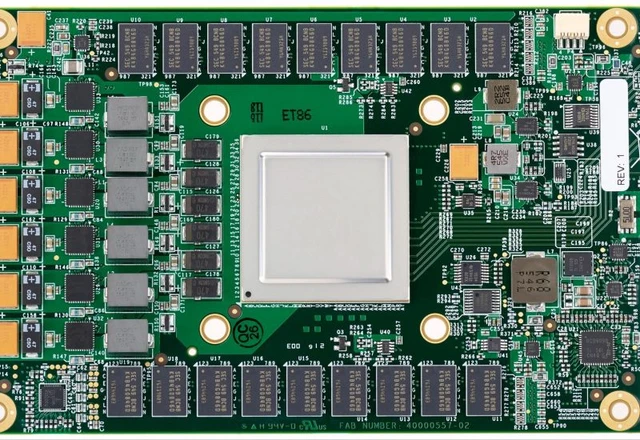 Anthropic’s Strategic Push for Hardware Independence