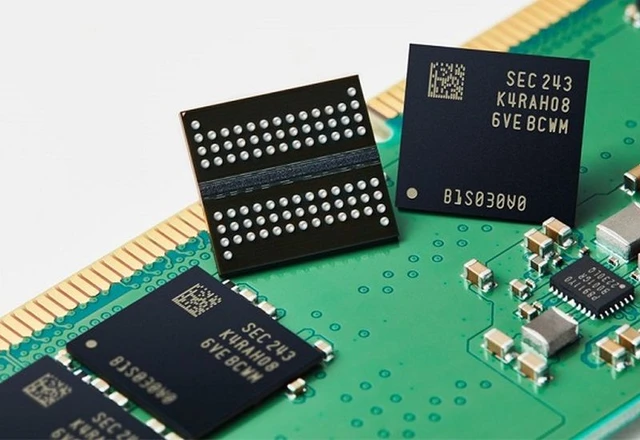
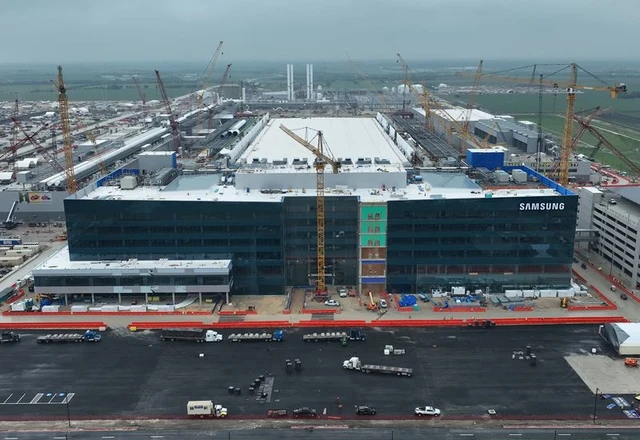
For decades, the global RAM market has remained an impenetrable fortress, dominated by a tight-knit oligarchy of tech titans. However, the emergence of an ambitious Chinese contender is beginning to shift the long-standing balance of power within the semiconductor industry. Amidst chronic component shortages and escalating geopolitical tensions, leading PC manufacturers are being compelled to look beyond their traditional suppliers for viable alternatives. This dynamic transforms what was once a purely technical consideration into a critical strategic challenge for the entire global supply chain.
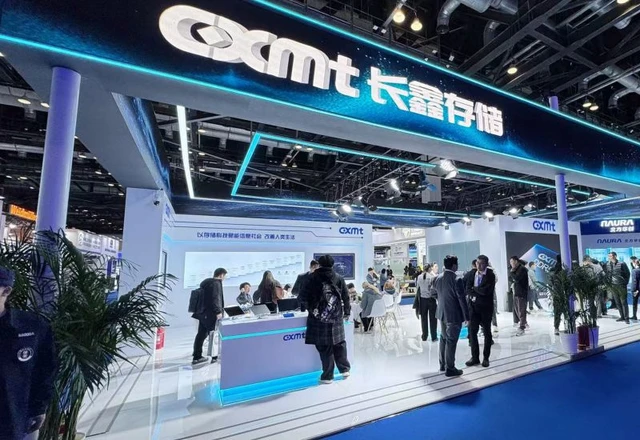
For years, the DRAM market has functioned as a textbook oligopoly. Samsung Electronics, SK hynix, and Micron Technology have maintained a stranglehold on over 90% of the global market, effectively dictating pricing structures and supply volumes. However, this extreme concentration of resources creates systemic vulnerabilities: any production glitch at one of these giants or a sudden spike in demand triggers a global shortage. In this climate, the emergence of CXMT is a pivotal development, as the company positions itself to become the world's fourth major memory chip manufacturer.
The interest shown in CXMT’s products by industry titans such as HP Inc., Asus, and Acer is driven less by cost-cutting—since Chinese chips are priced competitively with market leaders—and more by a strategic imperative for diversification. With traditional suppliers struggling to keep pace with order volumes, laptop manufacturers have begun cautiously integrating CXMT memory into their devices. This rollout remains limited in scope and is unfolding primarily outside the United States.
Geopolitical headwinds play a decisive role here. CXMT’s inclusion on Pentagon lists as a company allegedly linked to Chinese military structures makes its expansion into the U.S. virtually impossible. Stringent customs controls and regulatory hurdles are forcing brands to bifurcate their product lines: devices equipped with Chinese memory are routed to markets where political pressure is minimal, while traditional components remain the standard for the American consumer.
Internally, CXMT’s strategy remains focused on securing the domestic market, including a close partnership with Huawei. This creates a distinct paradox: despite immense potential and appetite from global vendors, access to the company's products for international clients remains severely restricted. The current surge in orders has reached a point where CXMT can no longer guarantee supplies even in the short term, underscoring the acute memory deficit plaguing the industry.
The company's financial metrics signal a meteoric rise. Following its debut on the Shanghai Stock Exchange, CXMT’s market capitalization reached a staggering $518.5 billion, placing it in the same league as titans like Intel. Net profit forecasts for the first half of the year show phenomenal growth—increasing more than 25-fold to reach $8.2 billion. This aggressive financial trajectory allows the company to invest heavily in expanding its capacity, including the construction of a massive production facility in Shanghai.
The situation is further complicated by broader market trends. According to IDC data, overall PC sales are trending downward, yet this has not alleviated the component shortage. On the contrary, a critical imbalance has emerged: success in CPU shipments only intensifies the demand for corresponding volumes of RAM, which remains in critically short supply. In this environment, CXMT is becoming a strategic "safety valve" for the industry, offering an escape from the dependency on the big three, even if that path is fraught with political and logistical complexities.
 Forecasting Exponential Growth in Nvidia Shipments