The personal computing landscape is entering an era of pervasive AI integration, necessitating a fundamental overhaul of underlying hardware architectures. Apple is poised to meet this challenge with a sweeping refresh of its core product lines, positioning 2027 as a pivotal technological inflection point. At the heart of this strategy lies more than mere cosmetic refinement; it is a profound reimagining of both form factors and computational capacity. This evolution will serve as the bedrock for a new paradigm of human-machine interaction.
The primary catalyst for the impending shift will be the transition to a new generation of silicon. The industry expects the debut of the M7 series processors in the first half of next year. The generational cadence—accelerating from M6 to M7—is being compressed, driven by the critical necessity of integrating advanced artificial intelligence. In the current landscape, neural workloads demand colossal resources; Apple is moving aggressively to close the gap between its software ambitions and the physical constraints of the hardware.
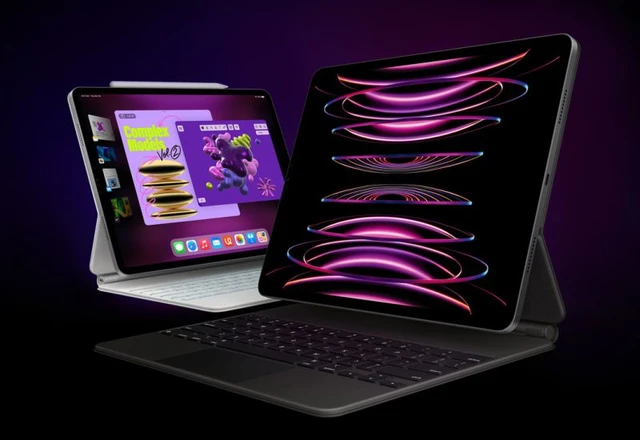
This technological leap will manifest in the iPad Pro lineup refresh, slated for Spring 2027. Apple is preparing four configurations that will retain the familiar 11- and 13-inch form factors but feature a fundamentally overhauled internal architecture. A pivotal focus is being placed on thermal management, with the potential introduction of a vapor chamber cooling system. For ultra-thin tablets, this is a critical evolution, enabling processors to sustain peak clock speeds without thermal throttling—effectively transforming the iPad from a media-consumption device into a legitimate mobile workstation.
Concurrent with the tablet updates, Apple is reimagining the entry-level segment of the MacBook Pro. The 14-inch model, known internally as K104, is set to receive a complete design overhaul. This move is part of a broader effort to unify the visual identity of the entire laptop portfolio, a process beginning at the turn of the year. Earlier iterations based on the M6 chip in legacy chassis are being sidelined in favor of a bolder aesthetic intended to synchronize the visual language across the entire MacBook lineup.
However, such an ambitious roadmap may encounter significant headwinds in the form of component shortages, particularly regarding memory chips. Faced with limited resources, Apple will be forced to prioritize its high-volume products. Primary allocation will likely favor the base iPhone 18 and the new "iPhone Air"—a model expected to feature a dual-camera system and a significantly larger battery. Consequently, the launch windows for certain "Pro" releases may be adjusted depending on the volatility of the semiconductor market.
The culmination of this intensive cycle will be a series of landmark releases by the end of 2027. Apple’s roadmap includes an anniversary edition of the iPhone—likely designed as a manifesto of technological supremacy—and a second-generation foldable smartphone. Furthermore, the company intends to deepen its footprint in wearables and the smart home ecosystem by introducing its first fully realized smart glasses and new categories of home automation hardware. Thus, the coming period represents more than a mere product refresh; it is a strategic expansion into entirely new dimensions of the user experience.
 The Phenomenon of the Foldable iPhone Ultra