The era of hybrid work has firmly established remote access tools as a cornerstone of critical business infrastructure. As corporate networks grow increasingly complex and hardware ecosystems diversify, the stability of these solutions has become paramount to ensuring seamless business continuity. The latest update cycle from AnyDesk underscores the developers' commitment to comprehensive cross-platform integration and a meticulously refined user experience. These new releases across all major operating systems prioritize the resolution of critical bugs and alignment with emerging mobile system standards.
The contemporary remote management landscape is evolving from rudimentary screen-sharing tools into comprehensive collaboration ecosystems. The latest release from AnyDesk, spanning Windows, macOS, Linux, Android, and iOS, underscores this trajectory. The developers have synchronously updated their client applications to ensure frictionless interoperability between devices with fundamentally different architectures—ranging from compact Raspberry Pi units to high-performance workstations.
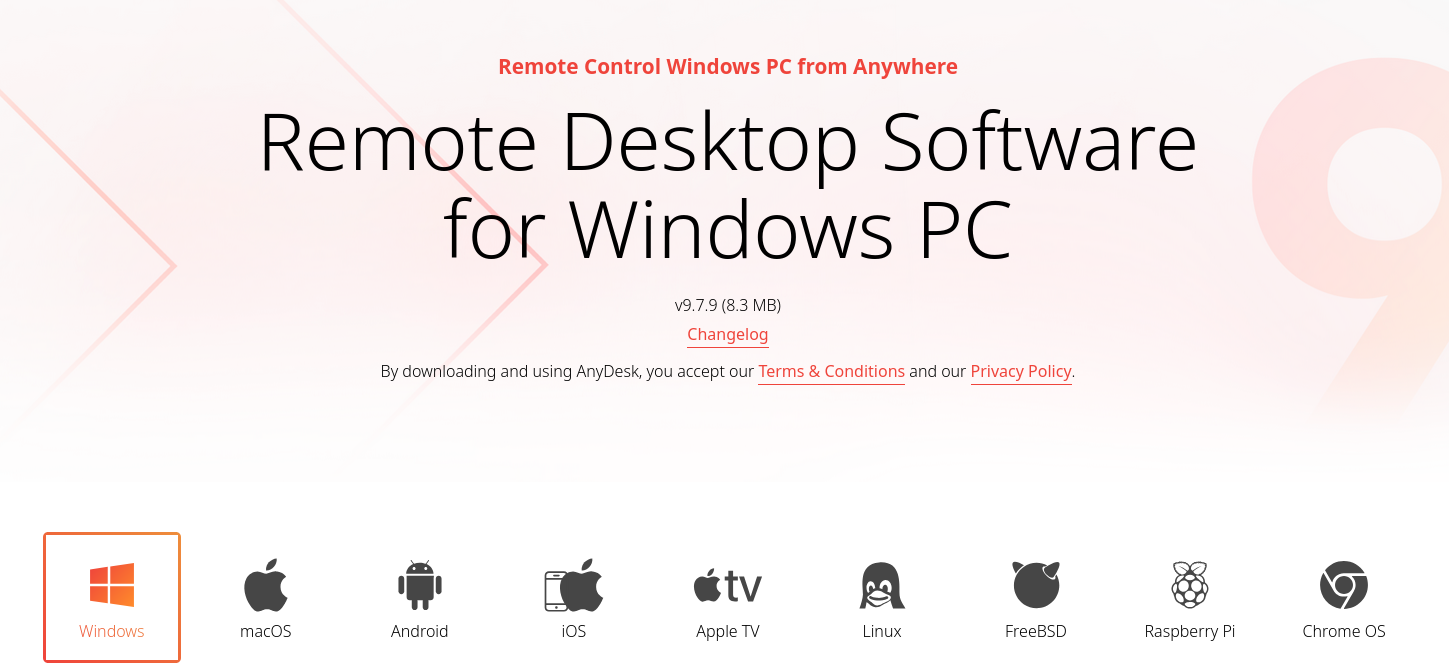
The most significant enhancements are found in the Windows version (v9.7.9), where the focus shifted toward ergonomics and the elimination of technical bottlenecks. The integration of drag-and-drop functionality within the file manager transforms data transfer into an intuitive process, making remote sessions feel nearly identical to working with a local drive. Simultaneously, a comprehensive overhaul of the communication stack was performed: chat stability has been optimized, and bugs affecting group conversations and typing indicators have been resolved.
From a technical standpoint, the resolution of deadlocks during session initiation when services are disabled, as well as the fixing of clipboard issues on the switch side, is critical. These refinements directly impact the reliability of system administrators, for whom any session management failure could translate into costly infrastructure downtime. Additionally, a fix was implemented for meeting creation for users without an active license, broadening the accessibility of the software's core functionality.
The mobile segment, specifically Android (v8.4.0), received a strategically vital update: support for Android 17. This demonstrates AnyDesk's proactive approach to ensuring compatibility with future iterations of Google's OS. Furthermore, the expansion of the service API for profile management and a redesign of the permission request interface make the application more transparent and streamlined for the enterprise sector, where privacy and security policies are paramount.
For macOS (v9.7.2) and iOS (v8.2.1) users, the updates were primarily focused on stability. The Mac version underwent an aesthetic overhaul of the toolbar and addressed the root causes of sporadic application crashes. In the iOS client, the primary objective was the elimination of a critical bug that caused system crashes during session initialization.
Rounding out the updates is the version for Linux and Raspberry Pi (v8.0.4). Here, developers focused on long-term support (LTS), resolving compatibility issues with legacy distributions. In the Open Source world, where the fragmentation of kernels and libraries is the norm, such support is essential for ensuring the stable operation of AnyDesk on industrial and embedded hardware.
Taken together, these updates transition AnyDesk from a mere utility into a mission-critical tool, capable of adapting to any hardware environment and meeting the rigorous security demands of the modern digital landscape.
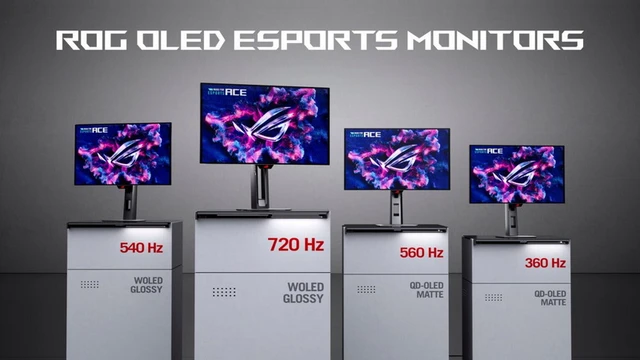 The Speed Limits of Modern Gaming Displays