The mid-range smartphone market has long since devolved into a battlefield of iterative updates, a relentless cycle where each new chipset is mandated to outperform its predecessor. Sony, renowned for its idiosyncratic approach to product design, continues to chart its own course, frequently disregarding the prevailing trends of this technological arms race. The upcoming launch of the Xperia 10 VIII serves as a quintessential example of the Japanese brand's hardware conservatism—a device where the drive for price stability clashes with the consumer's appetite for technological advancement.
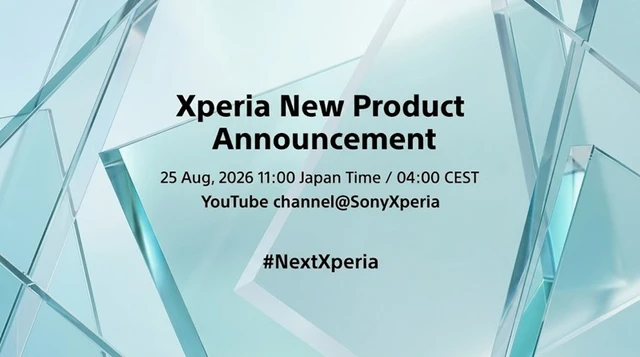
Japanese tech giant Sony has officially set the date for its next Xperia unveiling for August 25. The spotlight is expected to fall on the Xperia 10 VIII—a smartphone designed to anchor the mid-range segment, where the equilibrium between cost and performance is paramount.
Initial technical details have begun to surface via FCC certification databases, and the resulting profile evokes mixed reactions. On one hand, Sony remains steadfast in its audiophile traditions, retaining the 3.5mm headphone jack—a feature becoming increasingly rare even in budget tiers. On the other hand, the connectivity specs are unexpectedly modest. While support for four LTE bands, Bluetooth, and Wi-Fi 6 is present, there is a conspicuous absence of 5G and Wi-Fi 7. For a contemporary mid-range device, such a decision feels less like strategic optimization and more like a regression.
Analysis of Geekbench data, where the device appears under the codename XQ-GH54, reveals the primary concern surrounding the upcoming model. The smartphone is powered by the Snapdragon 6 Gen 3 chipset paired with 8GB of RAM. At first glance, these specs seem adequate; however, a detailed comparison reveals that this configuration is identical to its predecessor, the Xperia 10 VII.
This approach has sparked a wave of discontent among enthusiasts and on specialized forums. In the industry, a processor upgrade is generally considered the baseline requirement for a new iteration, as raw computing power dictates the device's longevity and the fluidity of the user interface. Yet, Sony appears to be adopting a systemic approach to hardware stagnation in this lineup. A similar strategy was observed during the transition from the Xperia 10 IV to the Xperia 10 V, where the company essentially maintained the same computing platform, focusing instead on cosmetic refinements and camera modernization.
Such a tactic may be rooted in pragmatic economic reasoning. Amidst global component shortages and the drive to maintain an accessible retail price, utilizing proven hardware procured in bulk allows for significant cost minimization. For the consumer, however, this means that upgrading to the new model is not about acquiring a more powerful tool, but rather refreshing the aesthetics and perhaps the software-based image processing algorithms.
Ultimately, the Xperia 10 VIII embodies the Sony philosophy: crafting a product that operates with stability and predictability, even if it fails to keep pace with the aggressive specification cycles of its competitors. The official announcement, scheduled for 11:00 AM local time, should provide a definitive answer as to what exactly distinguishes the new model from its predecessor, beyond a change in the version number.
 The Evolution of Apple's Augmented Reality Ecosystem