The global consumer electronics market is entering an era of stringent environmental regulation. The European Union is spearheading new standards that mandate replaceable batteries as a non-negotiable requirement for all modern devices. Caught in the crosshairs of this tectonic shift is Nintendo, now forced to radically overhaul its regional distribution strategy. This pivot represents more than a mere hardware refresh; it signals the definitive sunset of the legendary Switch platform.
European sustainability legislation and "Right to Repair" mandates are emerging as the primary catalysts reshaping the design of modern hardware. New EU directives require that consumers be able to replace batteries in their devices independently or at minimal cost—a requirement that clashes directly with the sealed, compact chassis architecture that has defined portable consoles over the last decade.
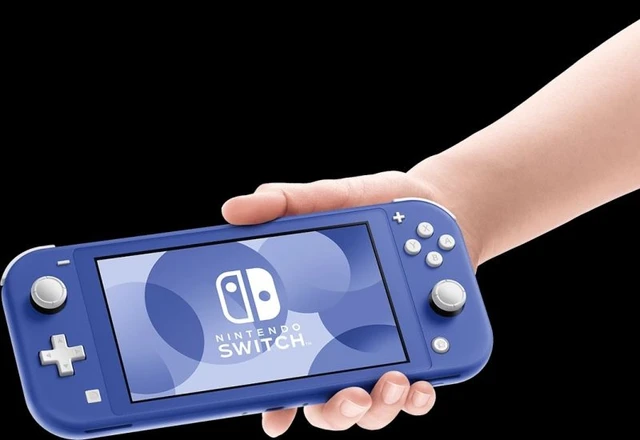
For Nintendo, this regulatory hurdle arrives as its flagship hit reaches the natural end of its lifecycle. Starting in mid-February 2027, the company will completely cease shipments of the entire original Switch family to European retail networks. This phase-out encompasses all iterations: the base model, the compact Lite, and the premium OLED version. Sales via the official Nintendo Store will be terminated simultaneously.
Poetically, this transition concludes nearly a decade after the platform's triumphant debut in March 2017. A ten-year cycle is a rarity in the gaming industry, testifying to the remarkable resilience of the Switch's architecture. However, the technical infeasibility of retrofitting legacy models to meet new EU battery replaceability standards makes their market exit inevitable.
The transition period commences this summer, as the company begins introducing updated hardware iterations compliant with the new norms, which officially take effect on February 18, 2027. It is important to note that these updates will be functionally and performance-wise identical to existing products; the modifications will pertain exclusively to physical access to the power source.
The primary beneficiary of these shifts will be the forthcoming Switch 2. The next-generation console, slated for an autumn release, is expected to be engineered from the ground up to satisfy European battery requirements. This strategic move will allow Nintendo not only to circumvent regulatory friction but also to offer users a more durable, long-lived device.
The scope of this redesign extends beyond the console itself to the entire peripheral ecosystem. Updates will be rolled out for Joy-Con and Joy-Con 2 controllers, the Pro Controller, and specialized retro-gaming hardware, including N64 controllers and GameCube consoles. In doing so, Nintendo is migrating its entire accessory lineup to a new standard of power management and accessibility.
Despite the established timeline, the company cautions that logistical nuances and regional market variances may result in staggered rollout speeds across different European countries. Nevertheless, the trajectory is clear: the industry is abandoning closed-loop systems in favor of modularity and ecological sustainability, and even giants like Nintendo must adapt to this new reality.
 The Price of Acceleration: CXMT’s Rapid Push into Memory