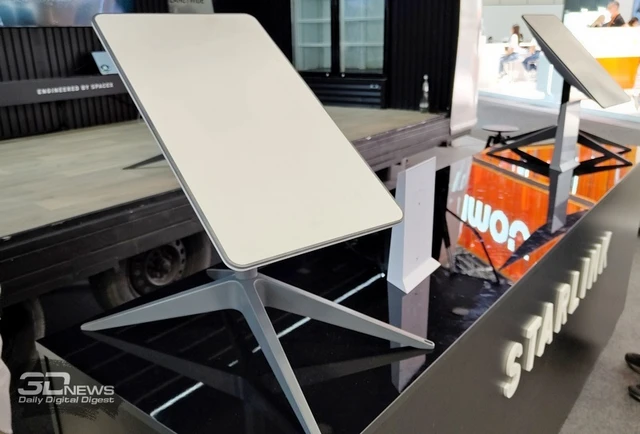
Modern astronautics is undergoing a radical transformation, evolving into an era where orbital access is becoming a routine industrial operation. SpaceX has streamlined rocket launches into a high-precision assembly line, blurring the line between science fiction and operational reality. Surpassing the century mark for annual launches underscores the unprecedented pace at which private capital is expanding its footprint in near-Earth space. At the heart of this strategy is the deployment of a global information network—one that is fundamentally redefining our understanding of connectivity and data transmission.
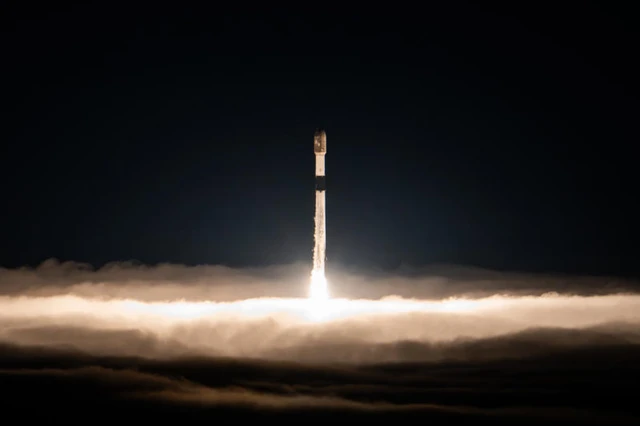
August marked a pivotal milestone in the history of commercial aerospace: a Falcon 9 rocket successfully launched from Vandenberg Space Force Base in California, deploying another batch of 27 Starlink satellites. This flight represents the 100th mission for the Falcon family this year—the vast majority of which were handled by the Falcon 9, with a single mission assigned to the heavy-lift Falcon Heavy, which delivered the Viasat-3 F3 spacecraft.
Such launch cadence signals a fundamental shift from isolated, cost-prohibitive expeditions toward a systemic logistical operation. Yet, for SpaceX, this achievement is merely a stepping stone toward its own internal benchmarks; having executed 165 launches last year, the company has set a formidable bar for operational efficiency.
The technological cornerstone of this process remains the concept of reusability. First-stage booster B1100, which touched down on the droneship Of Course I Still Love You in the Pacific Ocean, demonstrated exceptional reliability by successfully completing its ninth flight. The ability to recover and reuse high-value launch components radically drives down the cost of payload delivery, transforming space from an exclusive domain into a viable commercial ecosystem.
The payload—27 new Starlink satellites—was deployed into Low Earth Orbit (LEO) within an hour of liftoff. Today, the Starlink constellation comprises over 11,000 operational units, making it the largest satellite network in human history. In essence, SpaceX is constructing a global infrastructure that may eventually serve as the primary communication backbone for the planet's most remote regions.
However, the current successes of the Falcon 9 are merely a prelude to a more ambitious leap. The company's strategy centers on the transition to the super-heavy Starship system. It is this vehicle that is intended to facilitate the deployment of the next-generation Starlink V3 satellites—potentially numbering up to 100,000 units—as well as the creation of an ambitious network of orbital data centers consisting of a million satellites.
Consequently, we are witnessing more than just a series of successful launches; we are seeing the emergence of a new technological ecosystem. In this paradigm, the rocket ceases to be an expendable asset and becomes a true transport vehicle, fueling the expansion of our digital civilization beyond the atmosphere.
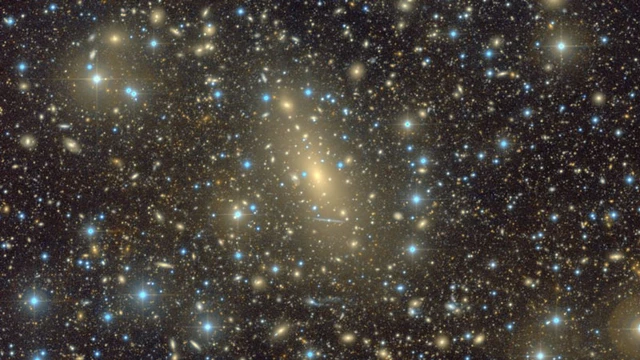 The Phenomenon of the Supermassive Galaxy IC 1101