The global smartphone market is entering a period of aggressive consolidation, a climate where survival is reserved for the most efficient and centralized organizations. OPlus—the holding company encompassing Oppo, Realme, and OnePlus—appears to be pivoting away from its brand-segmentation strategy in favor of total integration. A wave of high-profile executive departures and operational shifts point toward a sweeping internal restructuring. It is likely that these once-independent brands will be transformed into specialized product tiers within a unified Oppo ecosystem.
The multi-brand strategy, which for years enabled Chinese tech giants to capture diverse market segments, is currently undergoing a rigorous overhaul. The OPlus case has become a textbook example of how excessive differentiation can backfire, fueling internal competition and inflating operational overhead. Current events suggest that the era of autonomy for OnePlus and Realme is drawing to a close, giving way to a rigid hierarchy with Oppo at the helm.
The first and most conspicuous signs of these seismic shifts emerged in one of the world's pivotal markets: India. The resignation of Michael Guo, CEO of Realme India, was more than a mere leadership shuffle; it was a signal for deep structural reorganization. Given that Guo unofficially oversaw OnePlus operations in the region, his departure effectively paves the way for the consolidation of both brands under Oppo's unified management. Oversight of the Indian market now passes to Chase Xu, President of Realme Global, hinting at preparations for a final structural merger.
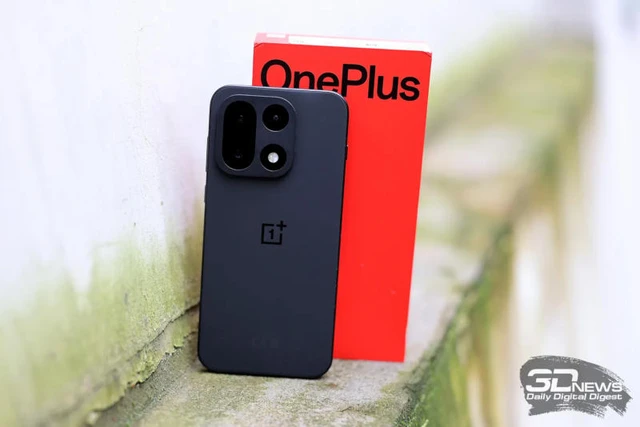
The situation surrounding OnePlus appears particularly precarious. A brand that launched as a "flagship killer" for enthusiasts is effectively losing its identity. Previous public denials regarding rumors of the company's closure have been replaced by a quiet retreat. The departure of Robin Liu, head of OnePlus India, is the logical conclusion of the brand's ongoing marginalization.
The transformation of OnePlus is further evidenced by a pivot in its business model: the company has completely liquidated its brick-and-mortar retail presence, shifting exclusively to online sales. This strategic maneuver was accompanied by a pivot toward the budget segment. The rollout of the Nord series—ranging from base models to CE and Lite versions—has definitively cemented OnePlus's status as a "junior" brand tailored for the mass consumer rather than the technological vanguard.
In Western markets, the consolidation process is taking an even more radical form. In the UK and Europe, there is a state of virtual operational paralysis: a significant portion of the staff responsible for business management and PR has exited the company. The brand's social media channels have gone silent, and official statements are non-existent—a pattern in the corporate playbook of tech giants that often precedes a formal announcement of closure or absorption. The situation in the US is similar: product assortments on the official website are shrinking, and even demo units of the latest Series 15 flagships are vanishing from major retailers like Best Buy.
From a market rationale perspective, absorbing Realme and OnePlus as product lines within Oppo will allow the holding company to optimize supply chains and slash marketing expenditures. Rather than maintaining three distinct brand identities, the company can offer consumers a clear product hierarchy—from ultra-budget solutions to premium devices—while retaining the recognition of its core series. Should these projections hold true, the industry will witness a return to the "single strong brand" model, where internal sub-brands serve merely to segment the audience rather than to create an illusion of market competition.
 The Phenomenon of the Foldable iPhone Ultra