The premium display market has evolved into a relentless battlefield, where every single pixel and every microampere of power is contested. In its pursuit of uncompromising visual fidelity, Apple is once again placing its bets on the proven technological titans of South Korea. The large-scale return of Samsung and LG as primary OLED panel suppliers marks a pivotal new chapter in the evolution of Apple's hardware ecosystem. This strategic pivot effectively sidelines Chinese manufacturers, pushing them out of the top tier of the supply chain. The result is a complex symbiosis, one where the fortunes of these Korean conglomerates have become critically tethered to the strategic decisions of a single American behemoth.
In the high-stakes world of high-tech components, trust is forged over years but can be incinerated by a single failed production cycle. This is precisely the predicament facing BOE, the Chinese display giant that has found itself sidelined from Apple's inner circle of key suppliers. The fallout stems from critical quality failures in OLED panels destined for the iPhone 17 Pro, which triggered severe supply chain disruptions last year. Despite attempts to resuscitate the partnership in April, Apple opted for the certainty of proven standards, reverting its primary orders to the reliable hands of Samsung Display and LG Display.
This strategic pivot will define the architecture of Apple's entire product ecosystem starting in 2026. The Korean titans have already scaled their operations to cover nearly every device category, from wearables to professional-grade laptops. The heaviest concentration remains in the flagship smartphone segment: for the iPhone 18 Pro and iPhone 18 Pro Max, Samsung and LG are projected to collectively produce approximately 90 million OLED displays.
However, the most compelling developments lie in new form factors. Samsung Display is cementing its status as the exclusive provider for Apple's most ambitious ventures. This includes the long-awaited foldable iPhone, with a planned production run of 10 million panels, and the refreshed iPad mini, with an order volume of 2 million units. The transition of the iPad line to OLED matrices marks a pivotal step in eliminating "yellowing" effects and enhancing contrast—areas where Korean technology has traditionally dominated.
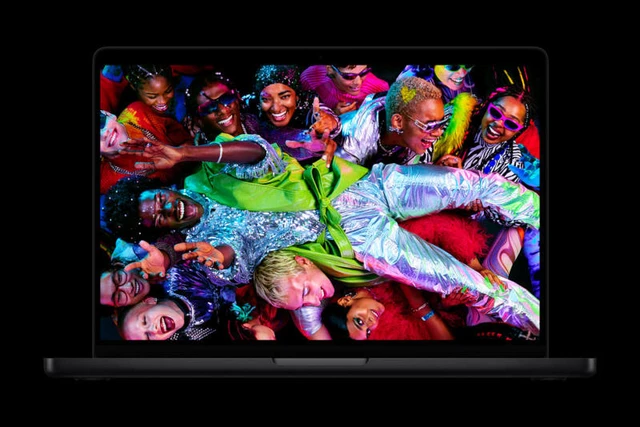
Simultaneously, Apple is migrating OLED technology into its professional laptop tier. In July, Samsung Display will activate an 8.6-generation production line specifically engineered for the MacBook Pro. Preliminary data suggests that roughly 2 million 14- and 16-inch panels will be manufactured this year. The shift to OLED in laptops will allow Apple to drastically reduce display power consumption and achieve true blacks, a critical requirement for designers and video editors.
Meanwhile, LG Display maintains its stronghold in the wearables niche. The company is set to be the sole supplier of OLED panels for the Apple Watch Series 12, securing a production volume of 34 million units. This underscores LG's specialized expertise in crafting small-scale, energy-efficient screens with exceptionally high pixel density.
This distribution of roles exposes a profound structural dependency of the Korean industry on a single client. The revenue statistics are stark: Apple accounts for 45.6% of Samsung Display's revenue, while for LG Display, that figure reaches a staggering 58.4%. In essence, these Korean corporations have built the technological foundation for their primary smartphone competitor, transforming Apple into their most vital customer.
This dynamic creates a singular paradox: while Apple secures a guarantee of flawless quality and supply chain stability, Samsung and LG find themselves beholden to Cupertino's strategic whims. Any pivot in design or the abandonment of specific technologies in future Apple products could trigger a tectonic shift in the financial stability of these Korean display manufacturers.
 The Phenomenon of the Foldable iPhone Ultra