Deep space exploration demands a fundamental paradigm shift in rocket engineering and a strategic willingness to embrace iterative failure. The latest Starship launch marks another pivotal milestone in SpaceX's ambition to develop a fully reusable transportation architecture for the Moon and Mars. Despite some technical frictions, the mission validated the viability of core stage-recovery concepts. This flight signals a decisive transition from theoretical modeling to the operational deployment of super-heavy lift systems.
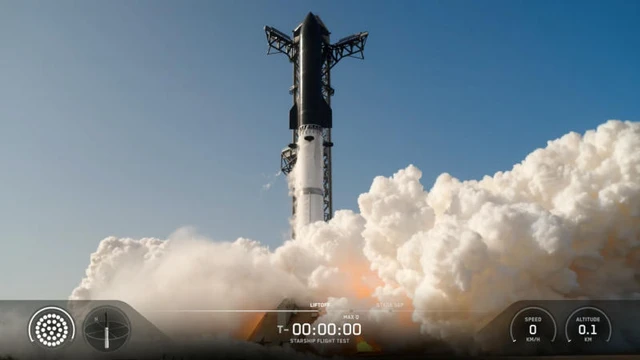
The thirteenth test flight of Starship, which launched on July 25, served as a masterclass in the iterative approach to aerospace engineering. Within SpaceX's corporate culture, failure is not viewed as a setback but as a critical source of telemetry and data; even the perceived superstition of the number thirteen proved no obstacle to their ambitious roadmap.
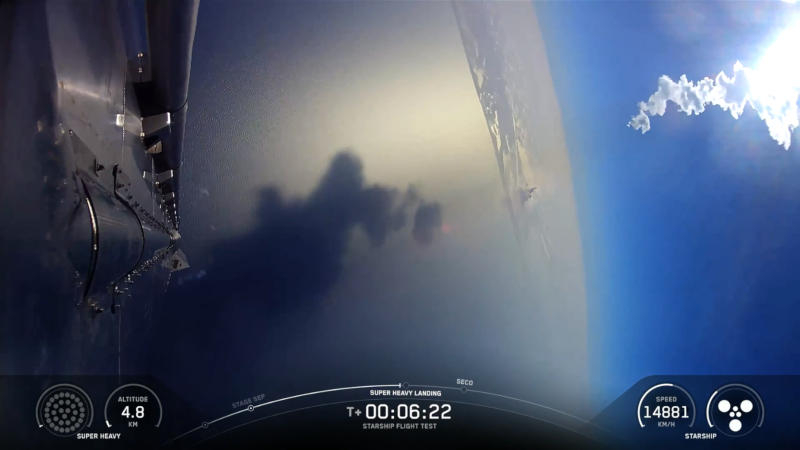
Two minutes into the flight, stage separation occurred: the massive Super Heavy booster detached from the Starship spacecraft and began its return maneuver. However, the landing phase in the Gulf of Mexico revealed specific instabilities within the retro-propulsive braking system. The attempt to reignite the engines for a soft touchdown was only partially successful—not all required modules fired, resulting in a hard splashdown. Nevertheless, the execution of a controlled return on this scale remains a landmark achievement in modern astronautics.
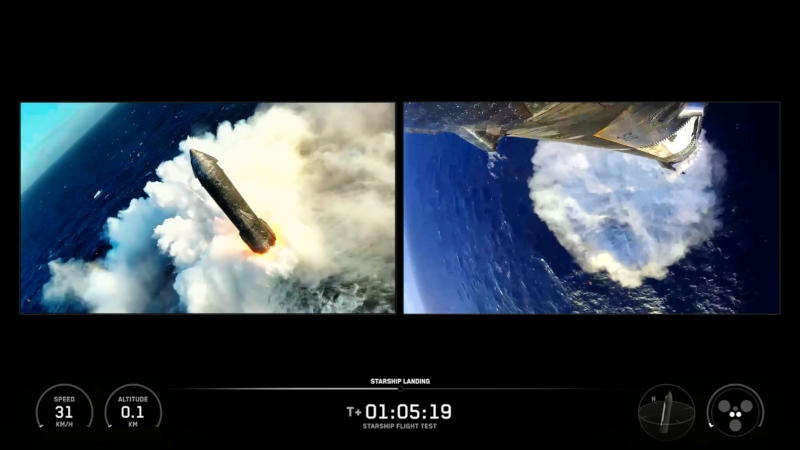
Meanwhile, the Starship upper stage delivered a more stable performance. The spacecraft achieved a soft splashdown in the Indian Ocean, maintaining its structural integrity. Of particular value to engineers were the images captured of the heat shield; for the first time, the state of the thermal protection tiles was documented after traversing the dense layers of the atmosphere without critical failure. This validates the effectiveness of the selected materials and hull geometry under extreme thermal loads.
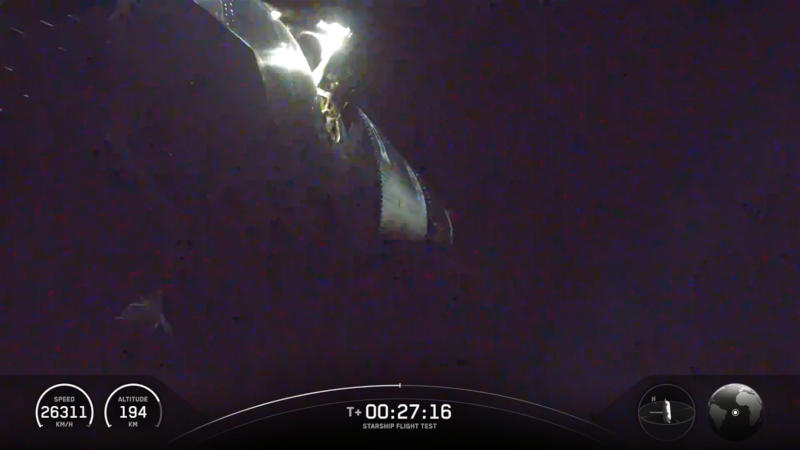
Beyond validating transport capabilities, the mission carried a significant commercial objective. Eighteen minutes after liftoff, 20 new Starlink V3 satellites were deployed into orbit. These spacecraft represent a generational leap for the network: they are substantially larger than their predecessors and feature solar arrays capable of generating double the power. This was a test deployment—the satellites were programmed to incinerate upon reentry twenty minutes later, allowing SpaceX to evaluate their performance under real-world flight conditions.
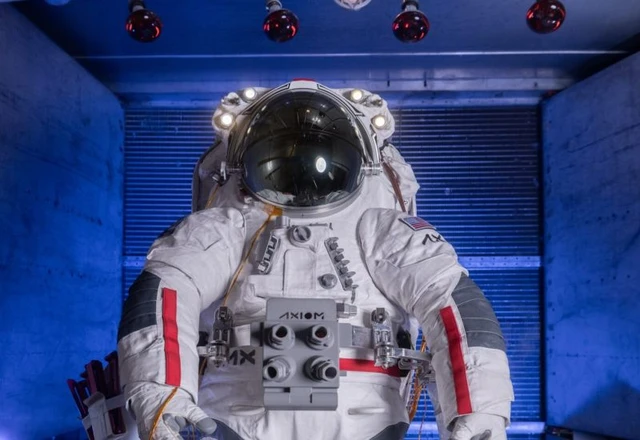
The long-term trajectory for Starship extends far beyond satellite constellation deployment. The system is being engineered as a universal transport vehicle for NASA's crewed lunar missions and future expeditions to Mars. A large-scale joint test with the American space agency is slated for next year, which will serve as a critical milestone in verifying the system's readiness for human transport.
Despite the overall success, the expert community highlights persisting risks. The partial engine failure during the booster's return was inconsequential because it occurred over the ocean; however, an identical malfunction during a landing on the launch pad could lead to catastrophic infrastructure damage. This vulnerability underscores that Starship remains in a phase of active refinement. Further complicating matters are external variables: the launch was postponed multiple times due to weather and technical glitches in the final seconds of the countdown, serving as a reminder of the fragile equilibrium between bold ambition and the physical realities of spaceflight.
 BepiColombo’s Odyssey: At the Threshold of the Sun