The global semiconductor market is grappling with a systemic crisis that transcends mere price volatility. While industry titans leverage vast reserves and preferential contracts to maintain their dominance, smaller players are locked in a desperate struggle for survival. The acute shortage of DRAM and NAND flash memory has reduced procurement to a game of chance, where securing access to components has eclipsed the actual cost of the hardware. This volatility threatens not only niche manufacturers but also the availability of essential devices for the general consumer.
The modern electronics industry has found itself gripped by a profound structural imbalance. Amidst a protracted shortage of memory chips, the divide between industry behemoths and small, independent brands has reached a critical tipping point. For giants like Apple or Samsung, the crisis is perceived merely as a temporary friction in the premium segment—a hurdle that can be cleared through institutional leverage and long-term foundry agreements. For smaller manufacturers, however, the situation has evolved into a desperate struggle for market survival.
The core issue has shifted from a question of cost to one of physical availability. Today, the primary barrier is the sheer impossibility of procuring necessary memory volumes. For companies committed to sustainable manufacturing and repairability, such as Fairphone, a lack of procurement access equates to being effectively sidelined. This trend is driving a broader market contraction: according to forecasts from Counterpoint Research, smartphone sales volumes could plummet by nearly 14%, with the heaviest blow falling on the budget segment, where margins are already razor-thin.
Economic pressure is further intensified by pricing volatility. Data from TrendForce indicates that DRAM costs continue to climb; while the pace of growth may be decelerating compared to the precipitous doubling of prices seen earlier this year, the overall trajectory remains upward. For some players, such as the Finnish brand Jolla, the stabilization of DRAM and NAND kit pricing has been the sole silver lining, preventing a catastrophic price hike for their products heading into autumn. Nevertheless, a sense of market instability persists, with experts suggesting that a full normalization of supply chains will not occur until 2028 at the earliest.
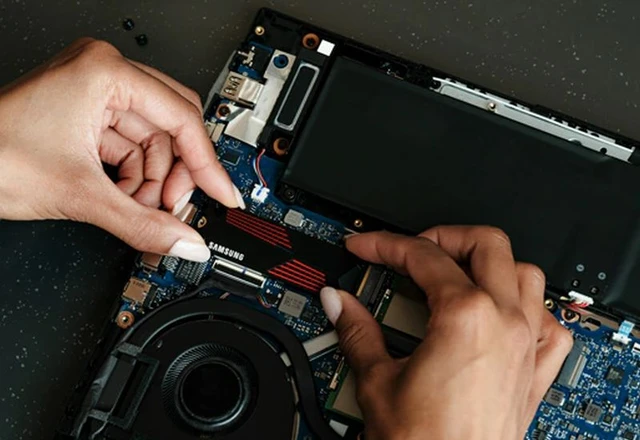
Under these pressures, manufacturers are resorting to extreme measures. Framework, known for its modular laptops, has pivoted to a "blind procurement" strategy. This entails placing orders without prior knowledge of the final price, exact delivery timelines, or even the ultimate volume of goods received. To mitigate these risks, Framework encourages users to migrate memory modules from older devices, effectively externalizing the burden of the shortage onto the consumer.
Engineering pivots have also become a matter of survival. Jolla was forced to redesign its device motherboards, implementing two distinct layout configurations. This flexibility allows them to swap memory chip types depending on what is available from suppliers at any given moment. However, the shortage has brought a secondary crisis: quality degradation. Driven by frantic demand, fraudulent activity has surged, with suppliers re-labeling used, legacy chips as new. This has compelled manufacturers to implement rigorous, multi-tier quality assurance protocols for every batch of components.
The fiscal strain imposed by memory costs has become critical. In devices priced around $400, memory chips can account for up to 60% of the total bill of materials (BOM). Consequently, the industry has split into two camps: those willing to sacrifice profit margins to maintain market share, and those passing the escalating costs onto the end user. Ultimately, this crisis is reshaping the very paradigm of manufacturing—shifting the focus from efficiency optimization to a strategy of survival amidst total uncertainty.
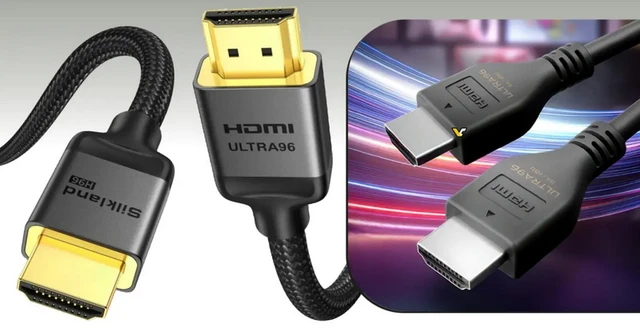 HDMI 2.2: The New Standard for Data Transmission