The digital era and the absolute hegemony of streaming seemed to have finally consigned physical music media to obsolescence. Yet, the contemporary U.S. market is revealing a paradoxical trend: compact disc sales are experiencing a resolute resurgence. This phenomenon transcends mere nostalgic consumption or the pursuit of high-fidelity audio; today, the CD is evolving from a utilitarian playback tool into a curated status symbol and a prized collector's item.
The music industry is navigating a curious, albeit logical, inflection point. According to recent data from the analytics firm Luminate, 16.3 million compact discs were sold in the US during the first half of 2026—a 16% increase over the same period last year. In an era where millions of tracks are accessible with a single click, the resurgence of the plastic disc might seem like an anachronism; however, the data points to a genuine market shift.
This growth is driven less by a quest for "pure" audio fidelity and more by the potent influence of contemporary pop culture and strategic marketing. K-pop has played a pivotal role: releases from South Korean artists—most notably the success of BTS's Arirang album—have cultivated a veritable cult around physical media. For fans, the CD has evolved beyond a mere data storage device; it is now a comprehensive piece of merchandise, bundled with visual content, photobooks, and collectible cards. Even when stripping away the K-pop influence, the US CD market still saw an organic growth of 6.7%, confirming a broader trend toward "tangible" music consumption.
Perhaps the most intriguing aspect of this phenomenon is the behavior of Gen Z and Millennial consumers. Statistics reveal that approximately half of CD buyers within these demographics do not even own a playback device. This signals a fundamental shift in product perception: the medium has become entirely decoupled from its functional purpose. In the eyes of the modern listener, the disc has transformed into an accessible art object and a material symbol of artist loyalty—a physical manifestation of belonging to a fan community.
In a broader context, there is a general resurgence across all physical formats, with aggregate sales climbing 7.8% year-over-year. Despite the CD's expansion, vinyl remains the volume leader, with 21.8 million units sold in the first half of the year. Cassettes, while occupying a niche position with roughly 205,000 units, also continue to maintain their relevance.
Ultimately, we are witnessing a transformation of the music market: a pivot from the functional sale of content toward the sale of aesthetic experience and emotional connection. Today, physical media is not about how one listens to music, but how one owns it in a world where everything has become ephemeral and cloud-based.

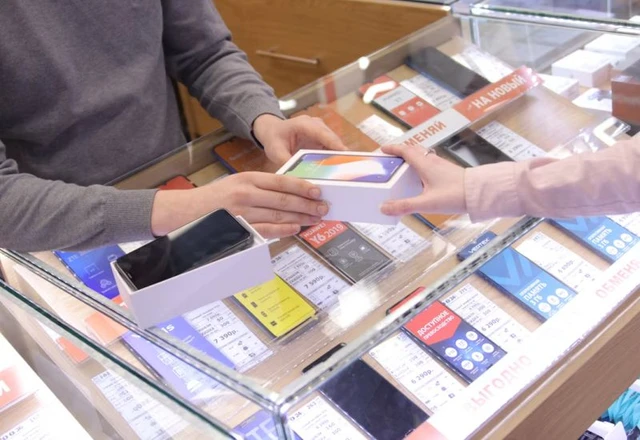 Memory Shortages Drive Up Smartphone Prices