For years, the ascent of streaming was viewed as the definitive death knell for physical music media. Yet, recent market data suggests an unexpected and rapid reversal of this trajectory. Compact discs, dismissed as obsolete relics for decades, are suddenly resurging in consumer demand. This phenomenon exposes a profound transformation in the way music is perceived: a shift from the utilitarian consumption of content toward the curated art of collecting.
The contemporary music market is exhibiting a striking irrationality. According to recent data from the Recording Industry Association of America (RIAA), the first half of 2026 has been marked by an explosive surge in compact disc sales. The statistics speak for themselves: volume reached 17.7 million units—a nearly 46% increase compared to the 12 million units sold during the same period last year. Even more impressive is the financial trajectory, with market revenue climbing by 58.6%.
This spike appears particularly paradoxical when viewed against the trends of previous years. Between 2024 and 2025, CD sales were in a steady decline, plummeting by 22% annually. This abrupt pivot in the demand curve suggests that we are witnessing not a gradual recovery, but the emergence of a new sociocultural pattern.
Market intelligence firm Luminate, corroborating the sales figures (citing 16.3 million units), identifies two primary catalysts for this shift. The first is the formidable influence of the K-pop industry; the release of limited special editions by artists like BTS has transformed the music album into a curated art piece. The second factor is psychological: Gen Z and Millennials have begun to perceive physical media as valuable collectible artifacts.
Herein lies the central paradox of the modern industry: for a new generation of consumers, the CD has ceased to be a medium for playback. Experts estimate that only about half of those purchasing discs actually own a CD player. For the rest, acquiring a physical copy is a statement of ownership—a way to tangibilize the digital bond with an artist and obtain a tactile symbol of cultural belonging.
This trend extends beyond compact discs. There is a broader renaissance of "tangible" audio. Vinyl records continue their ascent, with sales for the first six months reaching 26.5 million units, a 21% increase over 2025. Even niche physical formats, long relegated to the margins of the market, saw growth of over 73%, reaching 1.6 million units.
Ultimately, the industry is arriving at the realization that digital ubiquity is no substitute for the feeling of possession. In a world where music has evolved into an infinite stream of data, the physical object becomes an exclusive accessory and a status symbol, restoring to music its material, almost tactile value.

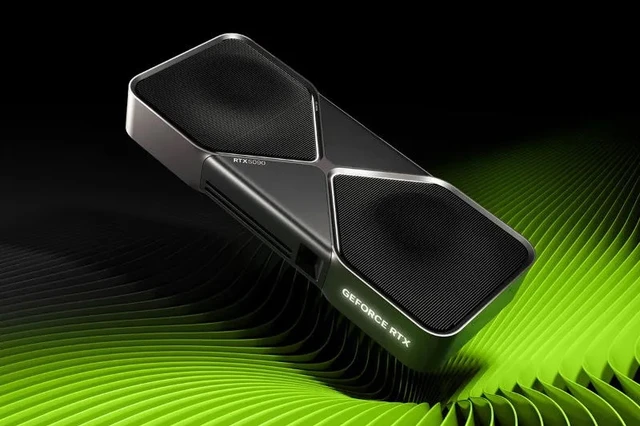 The Resilience of the Discrete GPU Market