The global high-tech landscape is currently gripped by aggressive protectionism and escalating technological barriers. Against this backdrop, Huawei is being compelled to overhaul its financial model, sacrificing short-term profitability in pursuit of strategic autonomy. The company's latest financial disclosures reveal a striking paradox: robust revenue growth is being offset by a precipitous decline in net income. This trend is the direct result of aggressive investment in proprietary R&D and the mounting pressure of rising component costs.
Huawei's financial performance for the first half of the current fiscal year reflects the intricate dynamics of adapting to external constraints. Net profit plummeted by 36% year-on-year, totaling $3.54 billion. However, beneath this decline lies a positive revenue trend, which grew by 10% to reach $69.6 billion. This divergence suggests that while the company is maintaining its market foothold, it is facing severe pressure on its margins.
The primary driver behind the profit slump has been massive investment in research and development (R&D). Huawei allocated $18 billion to these efforts, accounting for nearly 26% of its half-year revenue. In the industry, such expenditures are considered extreme; for Huawei, however, they represent the only viable path to survival under sanction pressure. The company is effectively shifting its business model to a "wartime footing," where long-term technological sovereignty takes precedence over immediate financial gains.
The situation is further complicated by market conditions within the semiconductor segment. Over the past period, Huawei was forced to accelerate the procurement of memory chips amid rising prices. Despite the increasing cost of components, the company made a strategic decision to keep smartphone pricing largely stable. This move preserved its competitiveness and even boosted device shipments in the second quarter by 19%, fueled by successful June sales. Consequently, Huawei has strengthened its position in the domestic Chinese market, where its share has once again surpassed 20%, according to Counterpoint Research.
Nevertheless, financial stability remains precarious due to external uncertainty and the volatility of component costs. While current results align with internal forecasts, long-term prospects hinge on Huawei's ability to overcome its hardware scarcity.
September is poised to be the pivotal moment, with the anticipated unveiling of the new HiSilicon Kirin mobile processor. The primary point of interest is the implementation of "LogicFolding" technology. In the absence of access to cutting-edge foreign lithography equipment (specifically EUV systems), LogicFolding represents an attempt to bypass physical and technological barriers to increase transistor density.
Should this technology prove viable for mass production, Huawei will be capable of producing high-performance chips using less advanced equipment. This would effectively nullify the impact of external restrictions and allow the company to regain full control over its own hardware ecosystem.
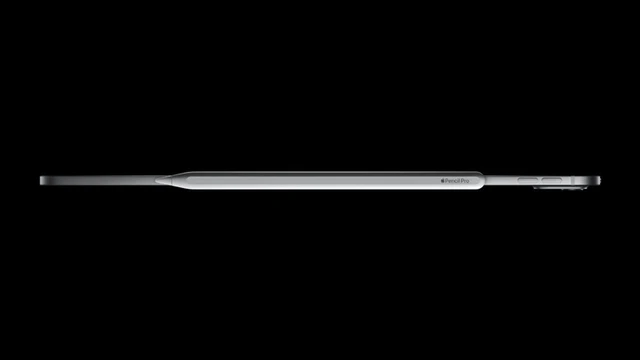 Apple Foregoes Stylus Support for the iPhone Ultra