The global AI revolution has ushered in a veritable "golden age" for the semiconductor industry. While surging demand for high-performance memory fuels record profits for South Korean industry titans, internal social and financial pressures are mounting. Shareholders are now demanding an equitable distribution of these windfall gains through dividends and share buybacks—a conflict that exposes a fundamental tension between investors' appetite for immediate returns and the strategic imperative of long-term resilience in an inherently cyclical sector.
The domino effect currently rippling through the memory industry began as a matter of internal corporate friction. The initial catalyst was an unexpected move by SK hynix, which significantly boosted annual employee bonuses amid the meteoric rise of the AI market. This gesture triggered a wave of resentment: Samsung’s memory production staff leveraged strikes to secure similar privileges. Now, however, the epicenter of the conflict has shifted—shareholders of both corporations are demanding their share of these windfall profits, insisting on a radical overhaul of dividend policies.
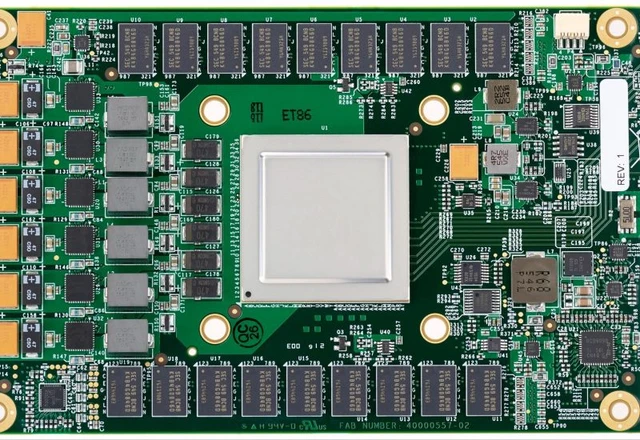
The root of this discontent lies in the acute shortage of specialized memory—specifically High Bandwidth Memory (HBM)—which is critical for the operation of modern GPUs. The unprecedented surge in prices for these components has led to a colossal spike in manufacturer profits. Traditionally, such companies balance their strategy across three vectors: reinvesting in R&D, building capital reserves, and distributing payouts to stakeholders. Yet, following the latest quarterly reports, investors in Samsung Electronics and SK hynix feel that the fruits of the AI boom are being distributed far too unevenly.
The scale of accumulated capital is staggering. According to LSEG data, the combined cash reserves of these two Korean giants could reach $263 billion by the end of the year. For comparison, even Nvidia—the primary beneficiary of the neural network era—may hold approximately $102 billion over the same period. Consequently, the financial cushion of this memory duo exceeds the aggregate reserves of the seven largest tech companies in the United States.
From a market perspective, shareholders could derive value simply from the appreciation of share prices. However, such a strategy is inherently speculative and undermines the concept of long-term sustainable income. Analysts view the conservatism of Samsung and SK hynix management regarding capital returns as a warning sign, potentially signaling an underlying skepticism about the sustainability of the current trend.
This contrast becomes particularly stark when compared to the American player, Micron Technology, which is prepared to return up to 100% of its free cash flow to investors. In contrast, the Korean firms limit this to roughly 50%, fueling mounting frustration among shareholders. Under this pressure, SK hynix has pledged to present a plan to increase yields by year-end, and Samsung Electronics has followed suit. Some retail investors are going further, demanding a special shareholders' meeting to authorize $32 billion for share buybacks.
Nevertheless, management's caution is rooted in historical precedent. The memory market is notoriously cyclical; periods of euphoria and superprofits are inevitably followed by deep troughs. Decades of experience have taught manufacturers to maintain significant reserves to weather the "market winter." Furthermore, Samsung and SK hynix have declared ambitious long-term goals: combined investments in infrastructure and research within South Korea could reach $2 trillion. Notably, a portion of these colossal expenditures will be subsidized by their clients—strategic partners who sign long-term contracts with substantial advance payments, effectively investing in their own supply chains.
 The Price of Acceleration: CXMT’s Rapid Push into Memory