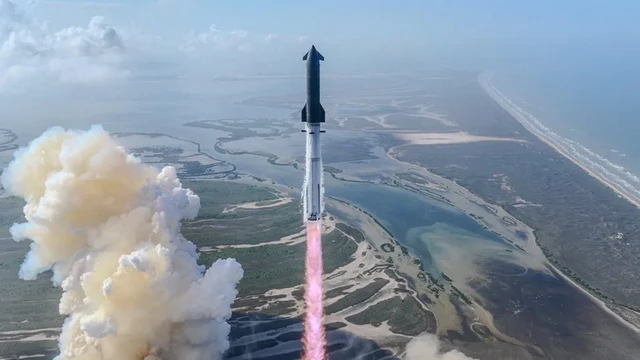
The contemporary scramble for orbital dominance is transforming near-Earth space into a high-risk environment. The deployment of thousands of new satellites has unleashed an unprecedented torrent of space debris, much of which inevitably re-enters the atmosphere. While the immediate probability of human casualties remains low, the sheer scale of these mega-constellations renders future incidents statistically inevitable. In the absence of stringent regulation and established compensation frameworks, this trajectory is evolving into a systemic global security challenge.
Low Earth Orbit has evolved from a sanctuary of scientific inquiry into a theater of fierce commercial and geopolitical competition. A casualty of this drive for dominance is the precipitous increase in space debris. Statistics from recent decades illustrate the scale of the crisis: while the U.S. government issued warnings regarding approximately 110 atmospheric re-entries ten years ago, that number surged to nearly 820 last year.
The descent of orbital wreckage has become a daily routine. This involves more than just fragmented shards; massive objects weighing over a ton now breach the dense layers of the atmosphere roughly once a week. This torrent consists of both defunct satellites and spent rocket stages—approximately 300 of which plummeted back to Earth last year alone. Currently, there are over 16,000 active spacecraft in orbit, a figure growing at an exponential rate.
The primary catalyst for this trend is the rise of "mega-constellations." SpaceX has already deployed over 10,000 satellites and envisions expanding that number to one million. Blue Origin harbors similar ambitions, while Chinese state programs plan the deployment of hundreds of thousands of new units. Such extreme density in Low Earth Orbit creates a critical mass of material that must, inevitably, return to the surface.
For years, the prevailing consensus was that the risk to human life remained minimal, as most objects either incinerate upon atmospheric friction or plunge into the ocean. The only officially documented instance of debris striking a person occurred in Oklahoma in 1997 and, by sheer luck, resulted in no injuries. However, mathematical models now point to a troubling trend: research conducted for the U.S. Federal Aviation Administration (FAA) suggests that by 2035, the frequency of casualty-causing incidents could increase to one every two years.
Corporate technological optimism frequently clashes with the harsh realities of materials science. For a long time, SpaceX maintained that its satellites were designed to burn up completely upon reentry. However, the discovery of debris on a Canadian farm in 2024 forced the company to revise its claims; it is now acknowledged that up to 5% of the mass of certain spacecraft can survive the descent. This creates an urgent industry imperative to transition toward fully biodegradable or low-melting-point materials that leave no hazardous fragments behind.
Parallel to this technical crisis, a regulatory void is widening. In the U.S. and internationally, the question of liability for falling debris remains effectively unregulated. Attempts by the FAA to implement orbital disposal rules were thwarted by industry protests, leading to the withdrawal of these initiatives earlier this year. The result is a precarious status quo where companies are merely required to notify the public of risks but bear no real accountability for damages, nor do they provide mechanisms for victim compensation.
Ultimately, humanity is facing a classic conflict between the velocity of technological progress and the inertia of regulatory frameworks. Space expansion continues unabated, but the cost of this leap may prove far too high for those remaining on the surface of the Earth.
 The Identity Crisis of the Founders Edition GPU