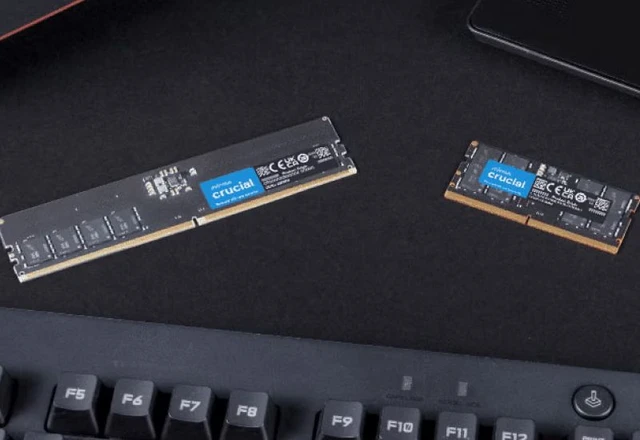
The global AI arms race has evolved beyond a mere software competition, morphing into a fierce battle for physical resources. The aggressive expansion of data centers worldwide has triggered an unprecedented shortage of memory chips and storage solutions. Apple, which had long managed to resist pricing pressures, has now been compelled to revise the costs of its flagship product lines. This shift underscores how the infrastructural demands of AI are beginning to exert a direct and tangible impact on the end consumer.
The contemporary tech landscape is grappling with a profound paradox: the rapid ascent of artificial intelligence has triggered an acute crisis in material components. Apple has formally announced price increases across its Mac, iPad, and Vision Pro lineups. The scale of these adjustments is significant, ranging from a modest $100 to a staggering $1,300, depending on the device configuration. Notably, the iPhone, Apple Watch, and AirPods have—for the time being—remained exempt from this price correction.
The catalyst for these drastic measures is a systemic upheaval in the semiconductor market. Specifically, the industry is facing a critical shortage of RAM and non-volatile storage chips. According to data reported by Bloomberg, the exponential surge in infrastructure required to train and deploy Large Language Models (LLMs) has led data centers to consume memory capacity on a scale previously unseen in the industry. Apple now finds itself in a position where component costs are escalating faster than the company can optimize its supply chains.
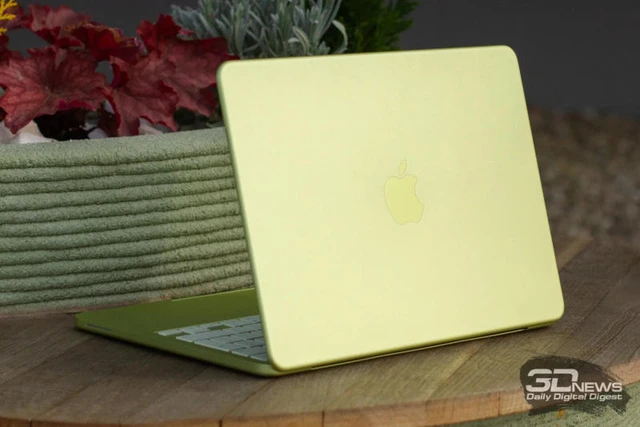
The most pronounced adjustments are evident in the Mac lineup. Base models of the MacBook Neo have seen a $100 increase, while professional configurations powered by M5 and M5 Max chips have experienced a more substantial leap. The price hike is most acute in the Mac Studio segment, where the M3 Ultra model has jumped by $1,300—a move that underscores the heavy reliance of high-performance systems on costly memory modules.
The iPad segment was not immune to these adjustments. Prices for the base iPad, Air, and Pro models have risen by an average of $100 to $200. Even specialized hardware like the Vision Pro has undergone a price revision, signaling the pervasive nature of the shortage.
For keen observers, this situation was far from unexpected. As early as this spring, Apple’s leadership, including CEO Tim Cook, warned of a looming intensification of the memory shortage. These supply chain frictions have already begun to erode the company's operational efficiency: shipping delays have become a reality, and the release of an updated Mac Studio was forced into postponement.
The distribution of risk across Apple's product portfolio is particularly telling. While the Mac and iPad are suffering from a lack of memory, the iPhone is better positioned regarding that specific component, though it has faced its own challenges with processor shortages. This divergence highlights the differing hardware requirements: professional computers and tablets demand the high-capacity, high-speed memory modules that currently serve as the primary "fuel" for the AI revolution.
Ultimately, this pricing shift is not merely a corporate maneuver to bolster margins, but a direct consequence of a global redistribution of resources. In a world where computing power and memory have become strategic commodities, the cost of consumer electronics is now inextricably linked to the appetites of the world's largest cloud providers and neural network developers.
 The Evolution of the Apple Home Ecosystem