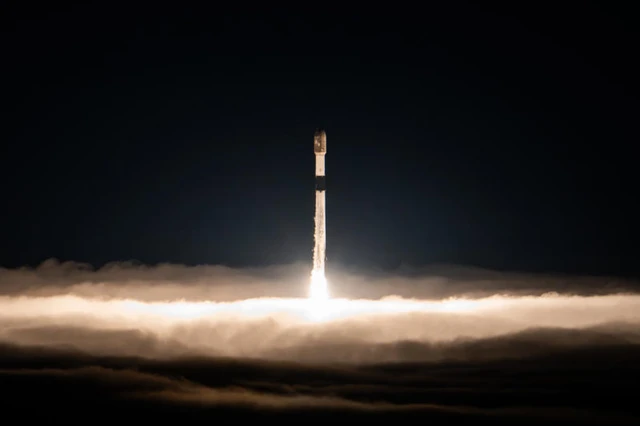
Humanity is on the cusp of an era where the reusability of super-heavy-lift launch vehicles shifts from a daring experiment to a routine operational reality. SpaceX is now entering the final stretch before the first full-scale orbital flight of its most ambitious project to date. Recent static fire tests of the Starship vehicle underscore the system's technical maturity and its readiness to tackle challenges of planetary proportions. This phase will be pivotal, shaping the trajectory of future lunar missions and the long-term exploration of deep space.
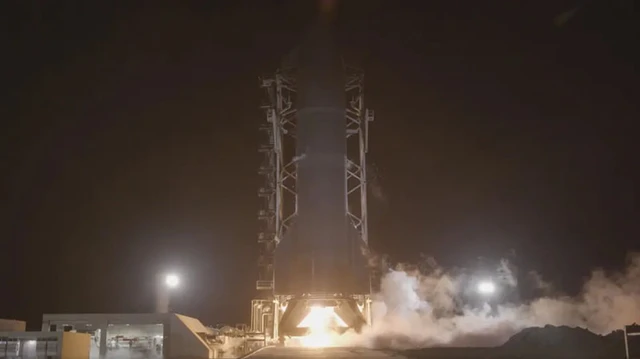
At the Starbase facility in South Texas, a pivotal milestone has been reached in the preparation of Ship 41. Through a series of static fire tests, engineers have validated the propulsion systems slated to propel the vehicle into Earth orbit during the upcoming Flight 14. The procedure was executed in two phases: an initial ignition of a single Raptor 3 engine to simulate a deorbit maneuver, followed by a full-scale, 60-second burn of the entire engine cluster.
Ship 41 serves as the upper stage of the Starship V3—the most sophisticated iteration of the project to date. The vehicle's technical complexity lies in its hybrid engine configuration: three engines are optimized for atmospheric flight, while the other three are vacuum-optimized, designed for maximum expansion efficiency in the void of space. These static tests do more than just verify thrust; they are critical for confirming the integrity of fuel lines, the fault tolerance of the control automation, and the overall stability of the system under extreme structural loads.
The evolution of Starship V3 reflects a rapid leap in aerospace engineering. Standing approximately 124 meters tall, this version significantly surpasses its predecessors in both payload capacity and structural resilience. Previous missions have already validated the core concept, successfully demonstrating engine reignition in space and the controlled descent of the upper stage. The current objective for SpaceX is to transition these milestones into full-scale orbital operations.
In a broader strategic context, Starship is envisioned not merely as a rocket, but as a comprehensive transportation platform for the Artemis program and future interplanetary missions. However, the path to full operational readiness is fraught with formidable challenges. The primary hurdles remain the mastery of orbital propellant transfer and ensuring the 100% recoverability of both the Super Heavy booster and the Ship itself.
The next critical step will be the comprehensive testing of the 33 Raptor 3 engines powering the Super Heavy booster. Once their operational readiness is confirmed, final integration of the entire stack will commence. Despite adjustments to the original timeline, Flight 14 promises to be a historic event, marking the first time a fully reusable super-heavy system reaches Earth orbit.
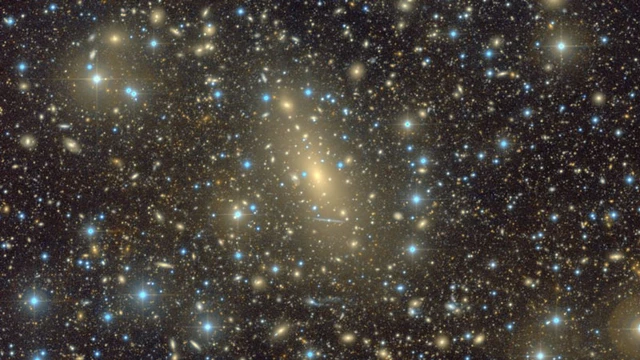 The Phenomenon of the Supermassive Galaxy IC 1101