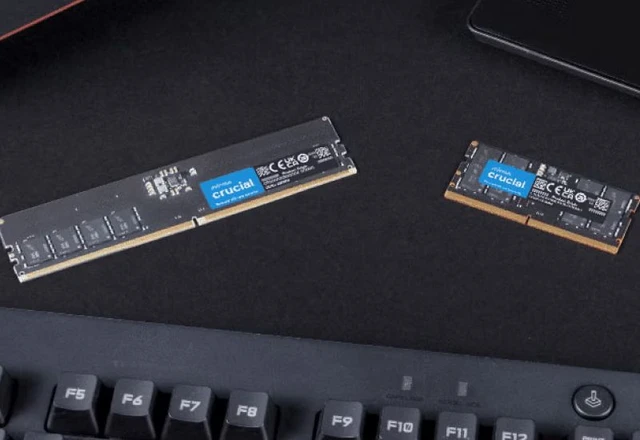
The AI revolution is no longer merely a battle of algorithms and code; it has evolved into a cutthroat struggle for hardware supremacy. The insatiable hunger of neural networks for high-speed memory is triggering a domino effect that reverberates across the entire semiconductor supply chain. From massive server farms to the smartphones in our pockets, the scarcity of RAM and storage is emerging as the industry's most critical bottleneck. We are entering an era where the true cost of "digital intelligence" will be borne by the end consumer, manifesting as skyrocketing prices and acute hardware shortages.
The global technology market is currently grappling with a paradox: the meteoric rise of generative AI, designed to optimize efficiency, has instead triggered a systemic crisis in the production of foundational components. The primary casualty has been the memory chip segment. The massive computational demands required to train and operate Large Language Models (LLMs) necessitate colossal volumes of high-speed memory—specifically HBM and DDR—forcing semiconductor giants to reallocate their production capacities. Consequently, the consumer sector—encompassing laptops, tablets, and smartphones—has been marginalized.
The market's bellwethers were the first to sound the alarm. Apple has already begun revising the pricing strategies for its MacBook and iPad lineups. Rising component costs are being passed directly to the consumer, with the company characterizing the current memory shortage as an "unprecedented problem." This serves as a stark reminder that even titans with immense leverage over their suppliers cannot ignore such a profound market imbalance.
Retailers are similarly bracing for a protracted crisis. According to forecasts from major retail chains, the personal computer segment will bear the brunt of the impact. The situation is further exacerbated by the fact that this price surge does not appear to be a transient volatility. Gartner analysts predict that by 2026, global PC shipments could contract by 10.4%, while smartphone shipments may drop by 8.4%. Simultaneously, device costs are expected to climb, with year-on-year price increases projected at 17% for computers and 13% for mobile devices.
What makes this process particularly insidious is the inertia of consumer behavior. Since most users upgrade their devices every four to five years, gradual price hikes may go unnoticed in the early stages. However, in the long term, this will inevitably alter the gadget lifecycle. Consumers will be forced to extend the utility of aging hardware, thereby slowing the overall technological refresh cycle across the consumer sector.
The scale of the problem has already transcended corporate balance sheets and escalated to the level of government regulation. In the United States, industry bodies, including the National Retail Federation, have petitioned the Department of the Treasury and the Department of Commerce to investigate the "urgent imbalance" in the chip market. This is no longer merely a question of corporate profit margins, but a potential threat to the stability of businesses of all sizes and the accessibility of essential digital tools for the general public.
In the most pessimistic scenario, the industry may face more than just inflation; it could encounter acute physical shortages of electronics. If memory production is almost entirely pivoted toward AI infrastructure, consumer devices could become scarce commodities, fundamentally altering the landscape of the modern electronics market.

 The Evolution of the Apple Home Ecosystem