The modern world is grappling with a global crisis: a precipitous decline in birth rates—a phenomenon traditionally attributed to economic pressures and sociological shifts. Yet, emerging research suggests a different lens, framing the issue through the prism of technological dependency and the fundamental evolution of human behavioral patterns. Analysts at the U.S.-based National Bureau of Economic Research (NBER) have uncovered a startling correlation between the proliferation of smartphones and shifting demographic trends. Their findings suggest that the advent of the iPhone acted as a catalyst, contributing to a significant decrease in unplanned pregnancies. This hypothesis elevates the discourse on the impact of mobile devices beyond mere psychology, repositioning it within the realm of the fundamental biological trajectory of society.
The intersection of technological advancement and human reproductive behavior has long remained in the shadow of more conspicuous drivers, such as housing affordability or educational access. Yet, a statistical analysis conducted by the National Bureau of Economic Research (NBER) has uncovered a profound correlation between iPhone penetration and declining birth rates across various U.S. regions. The researchers posit that the proliferation of the device played a pivotal role in reducing unplanned pregnancies, emerging as one of the stealth drivers behind a historic demographic trough.
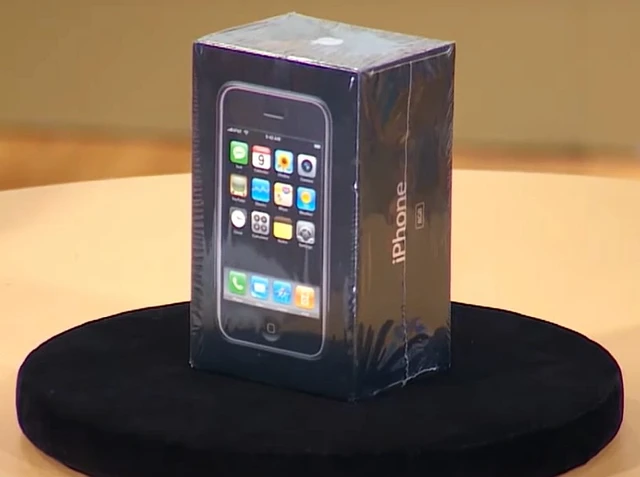
To eliminate coincidental variables and isolate the specific impact of the product, the researchers employed an elegant methodological approach. They focused on the period between 2007 and 2011, during which AT&T held exclusive rights to sell the iPhone in the United States. This provided a "natural experiment," allowing researchers to compare birth rates in regions with a high concentration of AT&T customers against those dominated by competitors, such as Verizon. The findings validated the hypothesis: in areas where the iPhone integrated into daily life more rapidly, the decline in population growth was markedly more pronounced.
The mechanism of this influence was rooted not in the device's technical specifications, but in a fundamental transformation of social interaction. The smartphone effectively re-engineered the structures of leisure and intimacy. Time traditionally spent with friends and partners in physical spaces began to evaporate. In place of face-to-face interaction and sexual activity came the consumption of digital content—specifically pornography—which emerged as an accessible and effortless surrogate for genuine intimacy.
Crucially, this effect was not confined to the youth or "digital natives." The data indicates that the negative correlation between smartphone usage and birth rates persists across all age cohorts up to 40–44 years. This suggests that even in later adulthood, when reproductive decisions are typically more deliberate, the influence of these devices in reducing interpersonal contact remains statistically significant.
That said, the researchers stop short of radical techno-determinism. The iPhone is not framed as the sole or absolute cause of the demographic crisis. Social shifts, evolving value systems, and economic instability continue to play their parts, and political levers still hold the power to influence societal trajectories. Nevertheless, the 2008–2011 period serves as a stark illustration that the adoption of the modern smartphone acted as a powerful catalyst, accelerating the process of alienation and altering the biological rhythms of millions of lives.
 The Phenomenon of the Foldable iPhone Ultra