In an era of pervasive digitalization and the hegemony of the all-in-one smartphone, we are witnessing a paradoxical resurgence of interest in devices defined by their limitations. HMD Global, continuing to steward the Nokia legacy, is striving to strike a delicate balance between the allure of the "digital detox" aesthetic and the pragmatic demands of the contemporary user. Their latest lineup of feature phones represents a bold experiment: an attempt to weave generative AI into the most stripped-down form factor imaginable. It is a fundamental reimagining of the "simple phone" for a world where even the most basic hardware is now expected to possess a baseline of cognitive capability.
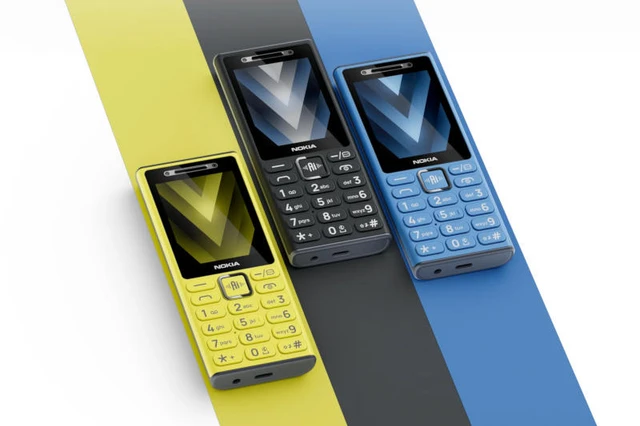
The modern mobile market has polarized into two extremes: feature-heavy flagships and minimalist "dumbphones." Nokia's latest lineup—comprising the 200 4G, 210 4G, 215 4G 2nd Edition, and 235 4G 2nd Edition—aims to carve out a niche in the space between. The primary technological pivot here is the integration of an AI-powered voice assistant embedded directly into the system management. Access to the AI is mapped to the center key of the five-way navigation pad, ensuring that interaction with the neural network is both intuitive and instantaneous.
Powering these intelligent capabilities is the Sikey AI service. Unlike full-fledged operating systems where AI is deeply woven into an app ecosystem, the assistant here functions as an adaptive interface, capable of answering everyday queries and managing internal phone settings via voice commands. However, the monetization strategy is somewhat contentious. Users are granted a 180-day free trial, after which the AI features require a paid subscription. Interestingly, managing this subscription requires a full-fledged smartphone, creating a curious technological symbiosis: the "smart" feature phone remains dependent on its more advanced sibling.
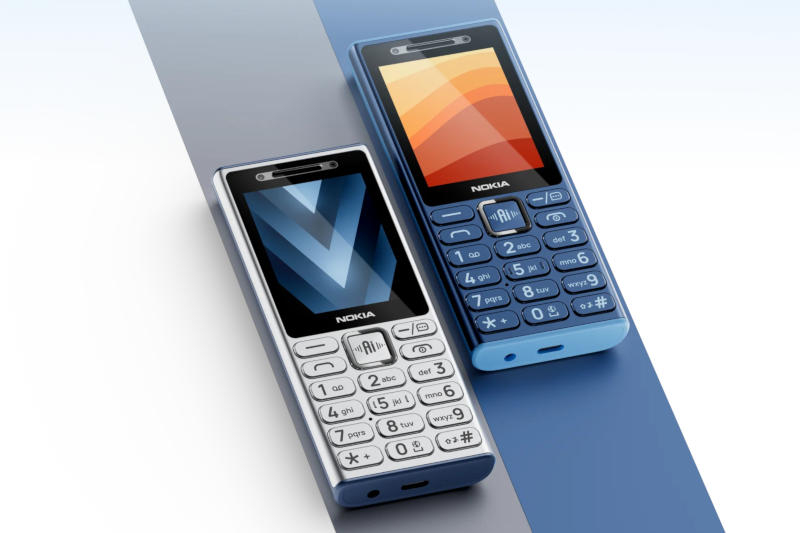
Hardware specifications are tiered across the lineup to target various consumer segments. All models support 4G networks and feature VGA cameras, with video calling enabled via the Xpress Chat service. Display options vary by model: the Nokia 210 4G and 215 4G utilize 2.4-inch QVGA screens, while the more advanced 215 4G 2nd Edition and 235 4G 2nd Edition boast 2.8-inch IPS panels. Despite the increase in size, the resolution remains unchanged—more than sufficient for the S30+ text-based interface.
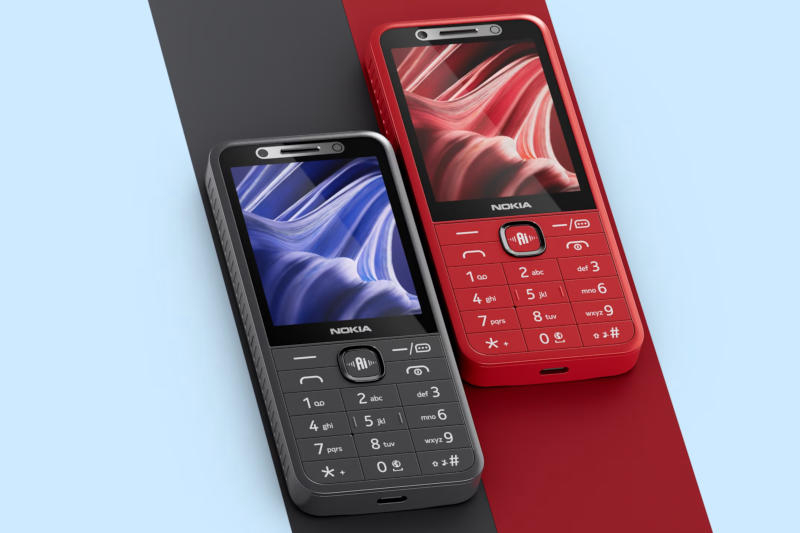
Particular attention has been paid to imaging capabilities. While most models are limited to basic modules, the Nokia 235 4G stands out with a 2-megapixel main camera—a modest attempt within this device class to provide users with a tool for basic documentation.
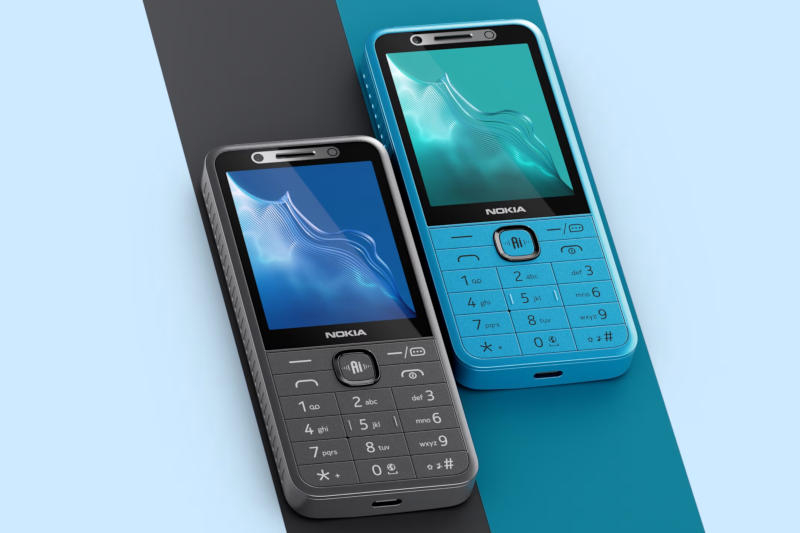
The foundation of the entire series is the lightweight S30+ platform, which ensures snappy performance with minimal system requirements. Endurance is guaranteed by a 1450 mAh battery; combined with an energy-efficient display, this promises multi-day autonomy that puts modern smartphones to shame. The connectivity suite is rounded out with current standards: Bluetooth 5.0, a classic 3.5mm headphone jack, FM radio, and a modern USB Type-C port for charging. Consequently, HMD Global is offering more than just a nostalgia play; they are delivering a relevant communication tool that preserves simplicity without eschewing progress.
 Anthropic’s Strategic Push for Hardware Independence