The ambition of condensing a full-scale gaming PC into a console form factor frequently collides with the brutal realities of hardware reliability. Early adopters of the Steam Machine were plagued by a critical defect that earned the ominous moniker "the red line of death." Far from being a mere software glitch, this symptom signaled a catastrophic failure of core system components—a scenario that draws unsettling parallels to some of the most notorious disasters in gaming history.
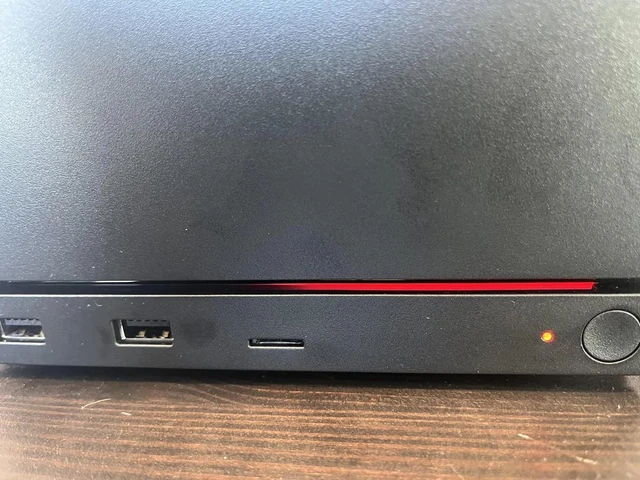
The issue surfaced almost immediately upon the device's market debut: users are reporting the sudden appearance of a vivid red line across the screen, after which the system fails to boot entirely. In one particularly high-profile instance, the hardware collapsed after just twenty minutes of operation, signaling a fatal flaw.
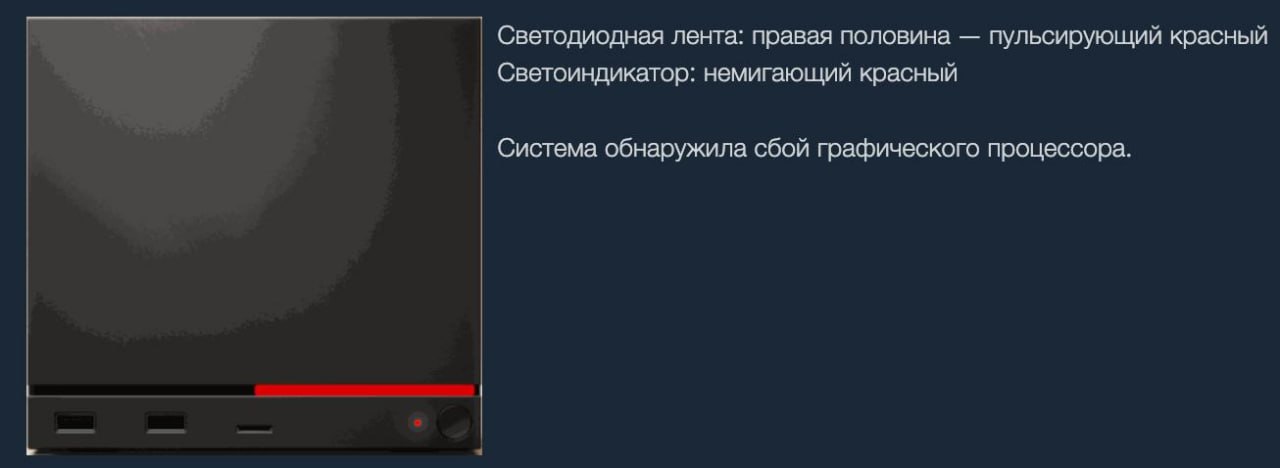
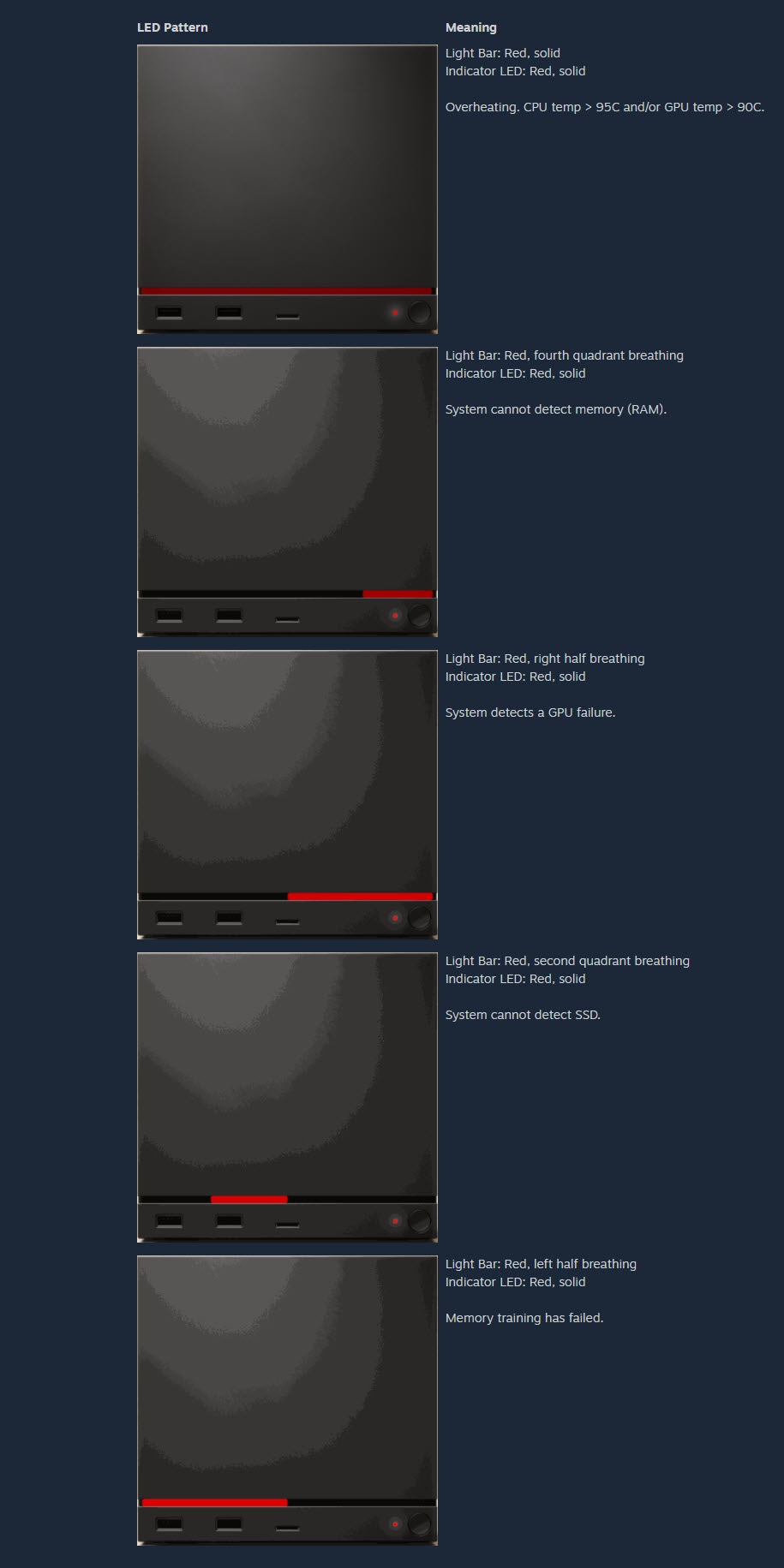
Technical support documentation confirms that the geometry of this line serves as a diagnostic indicator. The specific orientation—stretching from the center of the screen to the right edge—unambiguously points to GPU failure. In the context of modern electronics manufacturing, this represents the worst-case scenario for the consumer: the graphics chip is soldered directly onto the motherboard. This lack of modularity renders any user-led repair impossible, leaving owners with no recourse other than warranty claims or professional service center intervention.
This scenario evokes painful memories of the Xbox 360 era and the infamous "Red Ring of Death" (RROD). At that time, Microsoft grappled with widespread hardware defects stemming from overheating and solder joint failures, eventually necessitating a radical redesign of the console. Should the Steam Machine's issues prove to be systemic rather than isolated incidents, manufacturers will face a similar crisis of confidence and staggering costs associated with fleet-wide remediation.
Compounding these hardware instabilities are significant software constraints. While the Steam Machine was envisioned as a comprehensive PC alternative, its reliance on SteamOS—a modified Linux distribution—creates an insurmountable barrier for many popular multiplayer titles. The primary obstacle is kernel-level anti-cheat systems, which operate deep within the OS and are frequently incompatible with Linux. Consequently, the user is left with a device that is not only prone to sudden hardware failure but is also severely limited in its gaming library due to the software environment.
 The Price of Acceleration: CXMT’s Rapid Push into Memory