The global race for AI supremacy has long since shifted from the realm of algorithms to the tangible world of hardware. While the United States traditionally leverages stringent export controls as a mechanism to stifle technological rivals, the case of the United Arab Emirates represents a striking exception to this rule. The lifting of restrictions on advanced chip shipments is transforming the UAE into one of the world's preeminent computing hubs—a move that underscores the intricate interplay between defense imperatives, capital flows, and the overarching struggle for digital hegemony.
In an era where computational capacity has become the modern equivalent of nuclear deterrence, access to cutting-edge semiconductors has evolved into the primary instrument of diplomatic leverage. Against a backdrop of tightening U.S. export controls on high-tech components, the situation surrounding the United Arab Emirates has taken an unexpected turn. Washington has effectively opened the floodgates for the supply of state-of-the-art equipment, recognizing the Emirates as a pivotal strategic security partner in the Middle East.
The U.S. Department of Commerce's decision was neither incidental nor purely economic. At the heart of this gesture lies a deep appreciation for the UAE's alignment with American national interests. Particular emphasis is placed on defense cooperation, specifically the UAE's role in operations designed to curtail Iranian influence, including the high-profile "Operation Epic Fury." In exchange for its loyalty and active regional support, the Emirates have been granted preferred purchaser status. Consequently, state entities and Washington-approved companies can now procure American technology without enduring the onerous process of obtaining individual licenses.
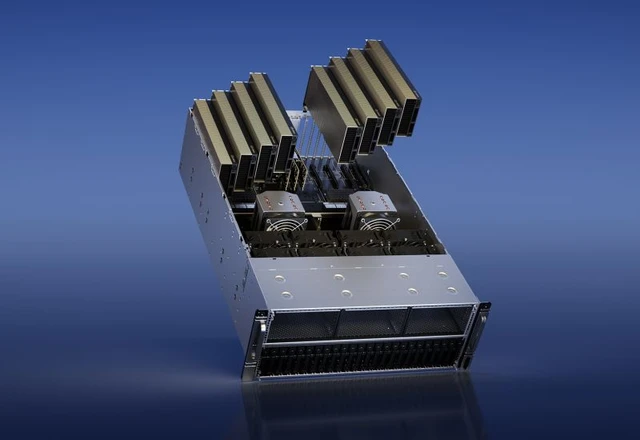
This "green corridor" extends beyond AI accelerators and their corresponding server architectures to include critical dual-use technology: from satellite systems to unmanned aerial vehicles (UAVs) and energy infrastructure components. In essence, the bureaucratic barrier that serves as a filter for most of the world has become virtually transparent for the UAE.
However, beneath the facade of strategic partnership lie more pragmatic financial undercurrents. Within U.S. political circles—particularly among Democrats—there is a prevailing view that this technological thaw is directly linked to investment flows. Specifically, critics point to capital injections by Sheikh Tahnoun bin Zayed Al Nahyan into funds with close ties to Donald Trump. It is this connection, according to detractors, that explains the unprecedented authorization to purchase 500,000 AI accelerators during a period when the market was strictly governed by quotas.
Such generosity has sparked serious alarm among segments of the American establishment. The primary fear is "technological leakage": the risk that the UAE could serve as a transshipment hub, allowing advanced computing solutions to slip into the hands of Chinese developers currently under stringent U.S. sanctions.
In response to these concerns, Emirati authorities have maintained a firm stance, denying any cooperation with China's military sector or the existence of clandestine agreements with the U.S. administration. Nevertheless, this precedent establishes a dangerous security gamble—yet a highly lucrative business model—of "tech-diplomacy," where access to the heights of silicon innovation is traded for geopolitical loyalty and financial preferences.
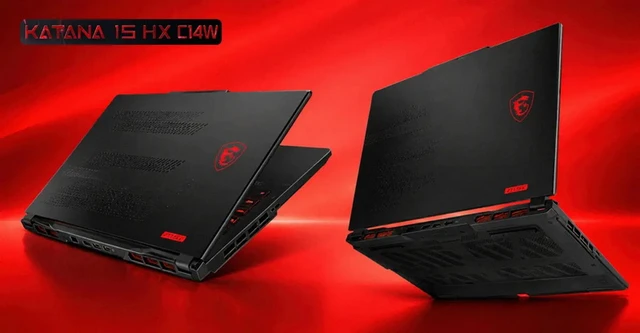 MSI Katana 15 HX and the Memory Paradox