The AI arms race has shifted from the realm of algorithms to the domain of physical manifestation. The clash between Apple and OpenAI has exposed the darker underbelly of talent poaching, transforming it into a vehicle for industrial espionage. Allegations of systematic trade secret theft suggest a calculated attempt to effectively replicate Apple’s hardware division within the ambitious startup. This precedent raises critical questions regarding corporate data security in an era where intellectual capital has become the ultimate weapon.
The contemporary tech war between giants has evolved beyond mere patent disputes; it has entered the realm of deep infiltration. At the heart of the high-profile legal battle between Apple and OpenAI is the story of engineer Chan Liu, whose actions exemplify a catastrophic security failure within one of the world's most secretive corporations. According to the plaintiff, Liu departed the company while retaining not only his corporate MacBook but something far more critical: active access to Apple's internal resources.
The catalyst was a software vulnerability known to Liu. Even after his official termination, he continued to penetrate the corporate network—a fact corroborated by fragments of correspondence with former colleague Alissa Peng. The phrase “LOL, I found out I can access the network storage, so funny,” cited in the case files, reads less like a casual discovery and more like a confirmation of a successful breach. Utilizing this "backdoor," Liu downloaded technical documentation, presentations, and internal test results while already employed by OpenAI.
This was no isolated incident. Alissa Peng, who assisted Liu via her corporate laptop, subsequently joined OpenAI's hardware development team. In total, the startup poached over 400 Apple employees—a trend Cupertino views as a systemic strategy to absorb intellectual property.
The recruitment tactics employed by OpenAI, as detailed in the lawsuit, resemble the operations of an intelligence agency more than a standard HR department. Candidates were effectively coerced into studying confidential Apple materials prior to their interviews. Furthermore, they were pressured to bring physical prototypes, printed circuit boards (PCBs), and batteries to meetings—components Apple guards with fanatical rigor. Some candidates expressed bewilderment, realizing that removing such samples from the office constituted a gross security violation, yet the new employer's demands remained steadfast.
A pivotal figure in this drama is Tang Tan, a key executive in the development of the iPhone and Apple Watch. Known in professional circles as a resolute and uncompromising leader capable of shuttering failing projects without hesitation, Tan served as the bridge between Apple and Jony Ive’s new venture, IO Products, which was later absorbed by OpenAI.
The stark contrast in how Apple handled departing employees underscores the company's heightened state of suspicion. While Tan was permitted to remain on staff until February 2024 to ensure a "smooth transition," Paul Midler, who led the development of smart glasses, was escorted from the premises immediately upon disclosing his intent to leave. Apple views this not merely as a loss of talent, but as a calculated attempt by OpenAI to construct a mirror image of its hardware division using stolen trade secrets.
OpenAI's strategic objective is transparent: to create a device that supplants the smartphone and enables seamless, continuous interaction with AI. However, according to the case materials, the path to this ideal was paved with data exfiltration. It is alleged that departing employees were given detailed instructions on how to forward sensitive information to personal email accounts to evade Apple's monitoring systems.
Apple's attempts to resolve the conflict out of court since February have proven fruitless. OpenAI's dismissal of these concerns has pushed the matter into the legal arena. Now, the focus shifts beyond the theft of data to the broader ethics of building new technological empires upon a foundation of stolen secrets.
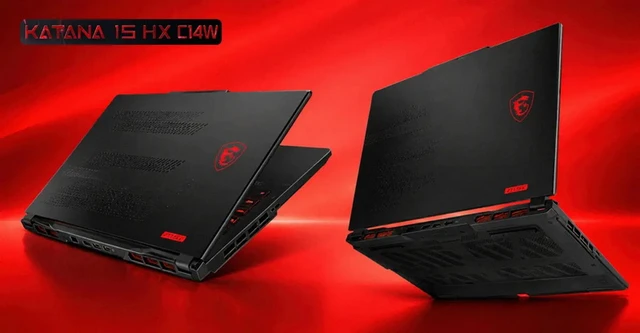 MSI Katana 15 HX and the Memory Paradox