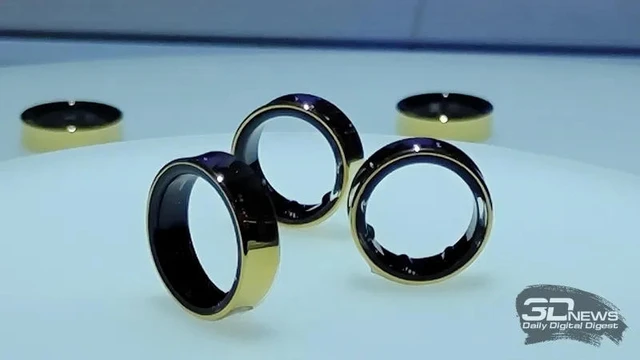
The wearables market is undergoing a rapid evolution, transitioning from rudimentary fitness trackers into sophisticated health-monitoring ecosystems. While Samsung’s foray into the smart ring segment marked a pivotal milestone, the true technological battle has only just begun. The confirmation of the Galaxy Ring 2's development signals a strategic shift in priorities—moving away from the raw hardware arms race toward the implementation of intelligent software. The company is now poised to redefine how users interact with their biometric data through a seamless web of interconnected devices.
The wearable electronics industry has reached a definitive hardware plateau. Modern sensors—ranging from photoplethysmography (PPG) to accelerometers and thermometers—have become largely standardized, and the gap in measurement accuracy between the market's leading players is rapidly closing. In this context, the confirmation of the Galaxy Ring 2's development, disclosed by Hong Bak, Senior Vice President and Head of the Digital Health team, in an interview with Forbes, appears to be more than a mere product refresh; it signals a fundamental strategic pivot.
The primary focus of the next generation will shift away from physical sensors toward what is known as "software-driven differentiation." As hardware becomes a commodity, the true value proposition shifts to the interpretation of data. The goal is the creation of high-level services: sophisticated sleep analysis algorithms, predictive health analytics, and deep AI integration. Samsung aims to transform raw metrics into actionable insights that provide tangible value to the user.
Samsung's philosophy in this regard differs fundamentally from the pursuit of a "universal gadget" designed to replace all other devices. Instead, the company is cultivating a distributed ecosystem. In this model, the smart ring does not compete with the smartwatch but complements it, addressing specific use cases—such as discreet overnight monitoring or minimalist tracking throughout the day. This synergy allows the workload to be distributed across devices, optimizing power consumption and granting the user the freedom to choose a form factor based on the situation.
The question of system openness is particularly intriguing. Currently, the Galaxy Ring achieves peak performance within the Samsung Galaxy family, while maintaining basic compatibility with most Android devices. However, Hong Bak's hints at potential future iPhone support may indicate a desire to venture beyond the company's own "walled garden."
Expanding compatibility to iOS would be a powerful strategic gambit, allowing Samsung to capture a significant share of the premium wearables segment, where Apple users often seek alternatives to standard health solutions. While the specific release window for the Galaxy Ring 2 remains a subject of unofficial speculation (with some sources pointing toward 2027), the trajectory is clear: the future of wearable technology lies in intelligent services and seamless interoperability, rather than the simple accumulation of sensors.
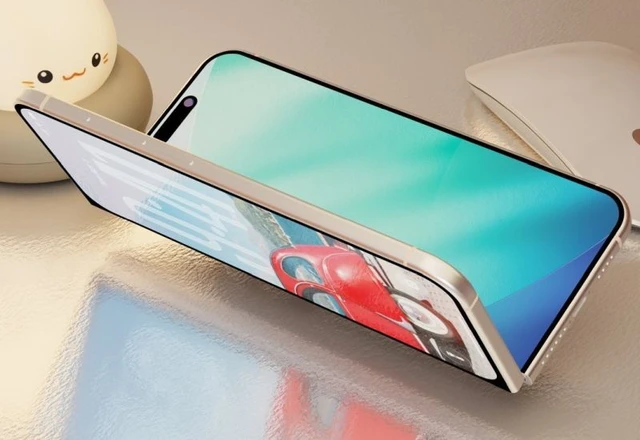 The Phenomenon of the Foldable iPhone Ultra