The foldable display market is steadily transitioning from a period of daring experimentation toward becoming a mature technological standard. As the primary architect of this movement, Samsung is gearing up to unveil its next generation of flagships in a bid to cement its dominance in the segment. Recent leaks suggest a strategy of measured evolution, prioritizing refined industrial design and a broader product lineup. The upcoming launch is poised to be more than a mere spec bump; it is a critical tactical maneuver timed to preempt the arrival of its primary competitor.
The tech world is bracing for the upcoming Galaxy Unpacked event, scheduled for July 22. On this date, Samsung is expected to pull back the curtain on its latest generation of foldable devices. According to current intelligence, the company intends to deepen its market penetration by offering three distinct interpretations of the flexible display: the standard Z Fold 8, a premium Z Fold 8 Ultra, and the compact Z Flip 8.
The introduction of an "Ultra" variant to the Fold lineup signals a strategic move toward more granular market segmentation. While the standard model remains geared toward productivity and seamless multitasking, the Ultra version will likely boast cutting-edge camera specifications and enhanced battery longevity, positioning it to compete directly with the traditional flagships of the S-series.
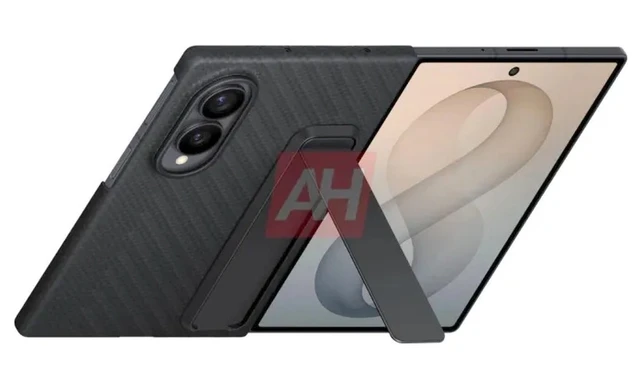
The first visual glimpses of the new hardware have emerged via accessory leaks. Renders of protective cases suggest that Samsung is adhering to a conservative design philosophy. The aesthetic of the new models maintains a clear lineage with the previous Fold 7 and Flip 7 iterations, suggesting that the company believes it has reached an ergonomic benchmark that requires refinement rather than a radical overhaul.
A technical analysis of the leaked data confirms the retention of battle-tested architectural solutions. The devices maintain their established form factors, featuring integrated selfie cameras in the external displays and the familiar dual-camera arrays on the rear panels. This iterative approach minimizes risk, allowing Samsung to pivot its focus toward under-the-hood performance and software optimization—factors that are critical for the long-term stability of folding mechanisms.
However, beneath this outward restraint lies an aggressive market strategy. The release window for the Galaxy Z Fold 8 is no coincidence; Samsung is seeking to create as much distance as possible from the anticipated debut of a foldable iPhone, which Apple may unveil as early as September.
The struggle for dominance in the foldable segment has evolved into a "battle of timing." By launching in July, the Korean giant can refresh its user base and dominate the media narrative before the market is consumed by the inevitable hype surrounding Apple's first flexible device. In this clash, Samsung is betting on its years of expertise in flexible OLED panels and a mature ecosystem, wagering that an evolutionary trajectory is more reliable than revolutionary, yet unproven, innovations.
 The Phenomenon of the Foldable iPhone Ultra