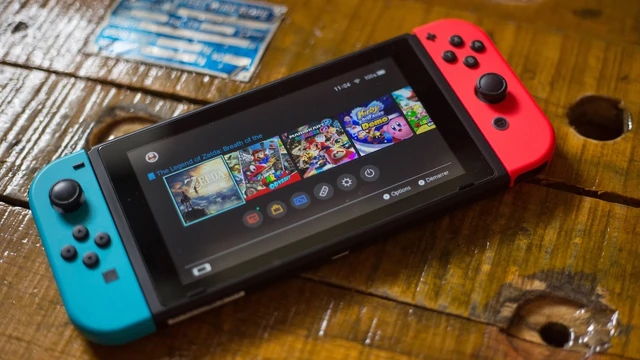
The era of the original Nintendo Switch in Europe is drawing to a swift close, marking the conclusion of a product cycle that fundamentally redefined the paradigm of hybrid gaming. This strategic pivot is far more than a routine hardware refresh; it is a direct response to the European Union's increasingly stringent environmental mandates. At the heart of the issue lies the "right to repair" movement and the mandatory shift toward user-replaceable batteries. Consequently, the industry titan is being compelled to overhaul its core design philosophy to ensure its continued viability within the region.
By March 2027, the European market will officially sunset the original Nintendo Switch lineup. This phase-out will encompass all iterations of the platform, including the base model, the compact Switch Lite, and the premium OLED version. The withdrawal will be executed in stages: console sales will cease first, followed by a complete market clearance of first-generation accessories and peripherals by February of next year.
This strategic retreat is driven less by market dynamics than by regulatory pressure from Brussels. New EU legislation mandates that electronics manufacturers ensure easy access to batteries, empowering users to replace them independently without relying on authorized service centers. For Nintendo—whose hardware is traditionally characterized by highly integrated components and sealed chassis—this necessitates a radical engineering overhaul.
In response, the company is developing a specialized version of the Nintendo Switch 2 tailored exclusively for the European market. The defining characteristic will be a modular battery compartment. This hardware transition is slated to begin this summer and will continue until February 18, 2027—the date the new regulations take full effect. Nintendo emphasizes that the functional capabilities and performance of these updated models will remain identical to current versions; the modifications are strictly limited to physical battery accessibility.
The scope of these modifications extends beyond the primary console. The entire controller ecosystem must comply with EU mandates, including Joy-Cons, Joy-Con 2, the Switch 2 Pro Controller, and specialized N64 and GameCube-style controllers. The updated Switch 2 is expected to hit shelves this autumn, although the rollout may be staggered across various European territories due to logistical complexities and local legal nuances.
While the situation in other regions remains ambiguous, the overarching trend suggests a gradual increase in the cost of ownership for the previous generation. Nintendo of America has already seen price hikes for original models, and this spring, the company announced a global pricing revision for the Switch, Switch 2, and associated accessories.
Notably, despite the preparations to exit the European market, the original 2017 console remains a viable platform for development. Nintendo's internal studios continue to deliver fresh titles, such as Rhythm Heaven Grove and Tomodachi Life: Living the Dream, creating a compelling contrast between the hardware's technical obsolescence and its enduring software support.
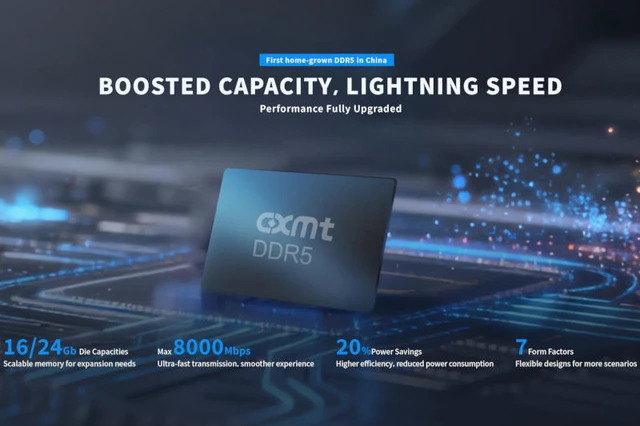 The Price of Acceleration: CXMT’s Rapid Push into Memory