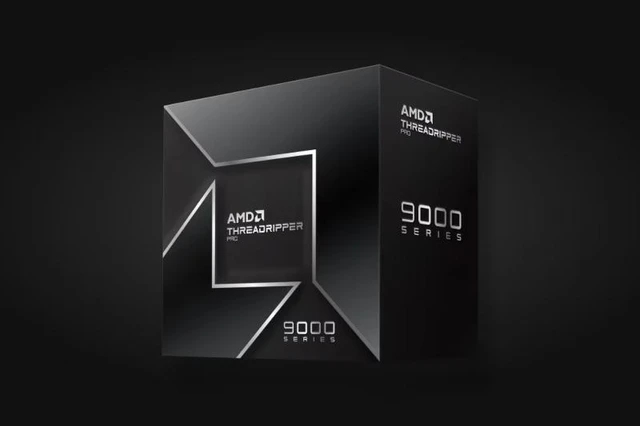
Modern workstations are grappling with an unprecedented surge in computational demands, driven by the rapid expansion of neural networks and the intricacies of high-end 3D rendering. AMD is meeting this challenge head-on with the development of its next-generation platform, codenamed Mustang Peak. A shift toward cutting-edge process nodes and next-generation data transfer standards promises a quantum leap in performance. At the heart of this evolution lies the synergy between the latest iteration of the Zen architecture and TSMC’s industry-leading fabrication capabilities.
The forthcoming generation of Ryzen Threadripper processors, codenamed "Mustang Peak," signals a paradigm shift in high-performance computing. At the core of these silicon powerhouses lies the Zen 6 architecture—a leap designed to redefine the boundaries of what is possible for professional workstations. The primary technological catalyst will be the transition to TSMC’s 2-nanometer process. This radical reduction in transistor size not only enables higher component density on the die but also significantly optimizes power efficiency while simultaneously pushing clock speeds higher.
Data throughput takes center stage in the new platform. The integration of the PCIe 6.0 standard effectively doubles the data transfer rates compared to its predecessor, PCIe 5.0. For power users, this translates to near-instantaneous access to massive datasets and the ability to leverage next-generation ultra-fast NVMe storage and GPU accelerators without the dreaded "bottleneck" effect. Coupled with DDR5 memory support, this establishes a foundation for workloads that previously demanded the resources of full-scale server clusters.
However, such a monumental technological leap necessitates a complete overhaul of the platform's physical architecture. The expansion of PCIe lanes and the surge in power consumption—driven by increased core counts and higher frequencies—render the current TR5 socket insufficient. While the previous generation utilized 4,844 pins, the TR6 socket is expected to see a significant increase in pin count. This upgrade is critical to ensure stable power delivery and maintain signal integrity during high-speed data transmission at extreme velocities.
Perhaps the most intriguing aspect of Mustang Peak is the potential explosion in multi-threaded performance. Reports suggest that AMD may overhaul the internal structure of its Core Complex Dies (CCDs), increasing the core count per chiplet from 8 to 12. Maintaining a maximum configuration of 12 chiplets, the flagship processor could boast a staggering 144 cores and 288 threads. This would represent a 50% increase over the current industry leader, the 96-core Ryzen Threadripper 9995WX.
AMD’s go-to-market strategy is expected to follow its established playbook: the Zen 6 capabilities will first debut in the Epyc server lineup, undergoing initial validation within data centers. Only then will these cutting-edge technologies migrate to the Ryzen consumer and professional segments, providing engineers, developers, and content creators with a tool of unprecedented power.
 The Speed Limits of Modern Gaming Displays