The integration of Large Language Models (LLMs) into the software development lifecycle has evolved from a series of experiments into an industry standard. However, generic benchmarks often fall short when faced with the idiosyncrasies of mobile platforms, where app lifecycle nuances and resource constraints are critical. Google is now redefining its approach to neural network evaluation with the introduction of the updated Android Bench. This initiative aims to establish a transparent and reproducible framework for measuring AI efficacy within real-world Android development scenarios.
The current evolution of Large Language Models (LLMs) demands a shift from rudimentary code-correctness tests toward a profound analysis of practical utility. Google has radically overhauled the Android Bench methodology, recognizing that for professional tooling, simply matching model outputs against a gold standard is insufficient. Central to these updates is the implementation of the Harbor framework, which now orchestrates the entire testing lifecycle.
The transition to Harbor addresses one of the most persistent challenges in modern machine learning: reproducibility. Test execution is now sequential and deterministic, enabling high-precision comparisons between model iterations and tracking developmental trajectories without the interference of stochastic noise. Furthermore, this architecture significantly streamlines the integration of new test scenarios, ensuring the tool remains agile amidst the rapidly evolving Android API landscape.
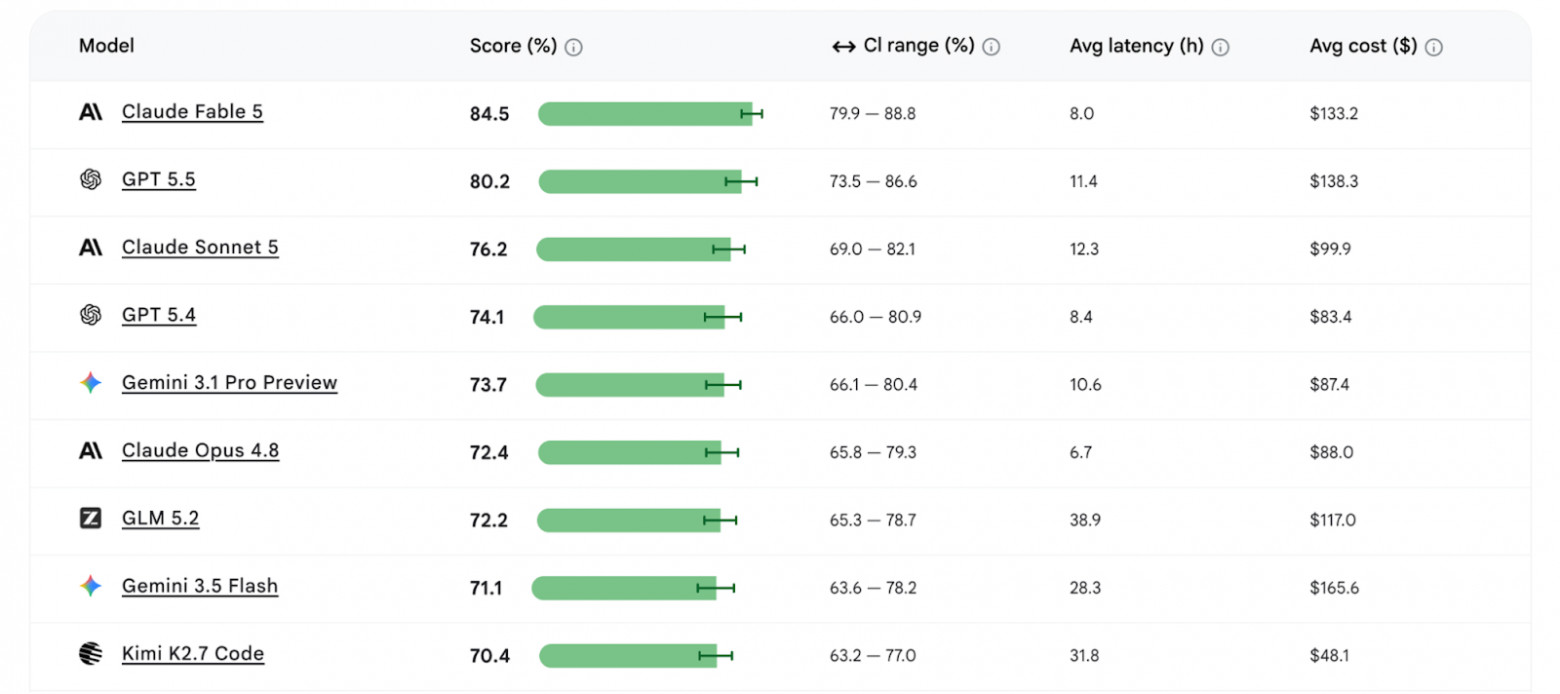
A pivotal conceptual shift has occurred in the expansion of evaluation criteria. While code quality and correctness were previously the primary metrics, economic efficiency and operational cost have now entered the equation. In industrial-scale development, model selection is often dictated not just by "intelligence," but by cost per request and generation latency. Consequently, Android Bench is evolving from a purely technical benchmark into a strategic analysis tool, helping developers strike the optimal balance between LLM operational costs and output quality.
Alongside these technical refinements, Google is opening the system to the wider community. By inviting third-party developers to help curate test sets, the benchmark is being populated with real-world, "live" challenges encountered by engineers daily. This transforms the tool from a proprietary corporate asset into an industry standard that evolves in tandem with the mobile development market and accounts for the most complex edge cases.
Current performance snapshots reveal fierce competition among the market's leading players. The updated leaderboard now features models such as Claude Fable 5, Claude Sonnet 5, and Opus 4.8, alongside specialized solutions like Kimi K2.7 Code, MiniMax M3, and the Qwen family (versions 3.7 Max and Plus). At present, Claude Fable 5, GPT 5.5, and Claude Sonnet 5 maintain their lead, underscoring the superior efficacy of models possessing deep contextual understanding and sophisticated programming logic.
 The Strategic Alliance of Nvidia and MediaTek