The contemporary consumer electronics landscape is undergoing a rapid paradigm shift—moving away from traditional ownership toward an "access-based" model, effectively transforming high-end hardware into a form of service. Apple is leaning aggressively into this trend, rolling out a comprehensive subscription ecosystem encompassing its core product lineup. Amidst escalating component costs and pervasive global economic volatility, the tech giant is seeking strategic levers to sustain customer loyalty without compromising its profit margins. This pivot transforms the acquisition of a device from a transactional, one-off event into an enduring financial relationship between the brand and the consumer.
The rollout of the Apple Upgrade program signals a fundamental pivot in the company's overarching business strategy. Acquiring an iPhone, Mac, iPad, or Apple Watch now mirrors the dynamics of automotive leasing more than a traditional purchase. Users are granted access to the latest hardware via monthly installments, with flexible end-of-term options: full buyout, device return, or an immediate upgrade to the next generation upon release.
This strategic shift is far from arbitrary; it is deeply intertwined with ongoing supply chain volatility. Recent shortages in memory and storage components have already forced a recalibration of pricing for the MacBook and iPad lineups. While the smartphone segment remains stable for now, executive warnings regarding "market instability" hint at an inevitable price climb for future iPhone generations. In this context, the subscription model serves as an elegant mechanism for the psychological obfuscation of price hikes: consumers are far more likely to accept a monthly fee of $18 or $25 than a substantial one-time capital expenditure.
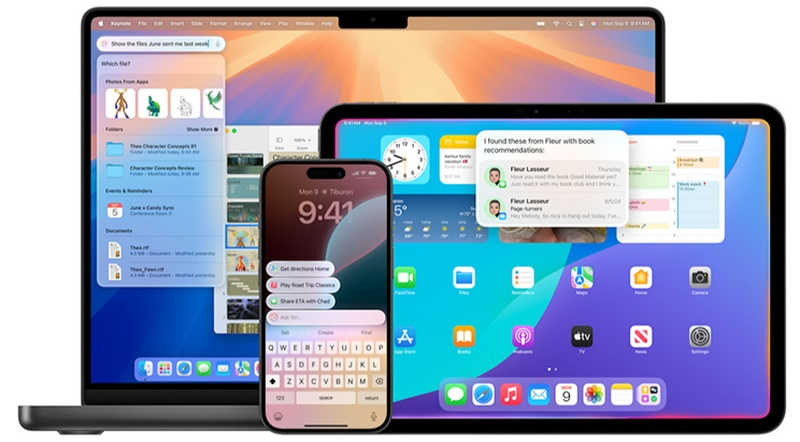
The operational and financial architecture of the program is underpinned by a partnership with fintech giant Klarna, necessitating mandatory credit screenings for all users. Contract terms are calibrated based on the device's lifecycle: 24-month plans for iPhones and Apple Watches, and extended 36-month terms for the more durable Mac and iPad lines. Apple Upgrade effectively supersedes the limited update program of 2015, expanding device coverage while decoupling the financing plan from AppleCare extended warranty services—thereby creating an additional point of monetization.
The strategic objective here is the systematic displacement of telecommunications carriers as intermediaries between the manufacturer and the end-user. Apple aims to exert total control over the financial ownership cycle, cultivating a closed ecosystem where upgrading to new hardware becomes an automated, frictionless, and essentially inevitable process.
Yet, beneath this veneer of accessibility lies a rigorous mechanism of control. Forensic analysis of the iOS 27 beta reveals the development of tools designed to remotely restrict app access in the event of payment defaults. This transforms the device from private property into a managed asset that can be effectively "locked" by the service provider, underscoring a definitive transition toward a true Hardware-as-a-Service (HaaS) model.
 A Comprehensive Refresh of Apple's Global Product Portfolio