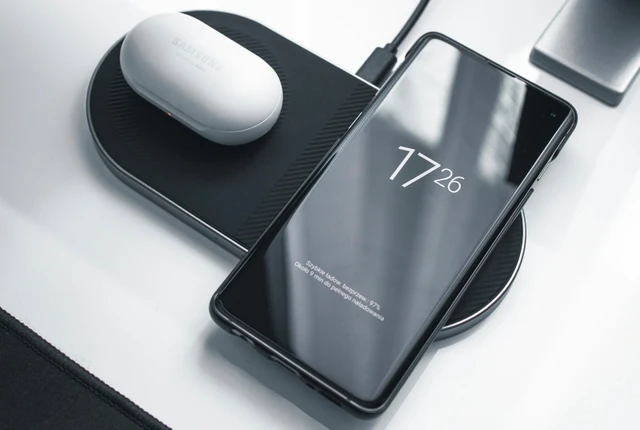
For years, the fast-charging landscape has been a fragmented battlefield of competing proprietary protocols. As wired technologies gradually approach their physical ceiling, wireless power transfer is entering a phase of qualitative evolution. The Wireless Power Consortium (WPC), in collaboration with the industry's leading tech giants, is currently developing a unified 50W standard—a move designed to finally dismantle the barriers between disparate ecosystems and render high-speed charging truly universal.
For too long, the mobile device market has suffered from a latent fragmentation. Despite the existence of the universal Qi standard, actual charging speeds often hinged on whether the smartphone and the charger shared the same brand. Manufacturers deliberately cultivated walled gardens to lock users into their proprietary accessory ecosystems. However, the industry has reached an inflection point where the convenience of universality is beginning to outweigh the perceived benefits of exclusivity.
The answer to this challenge arrives in the form of a 50W Qi standard, slated for official release in 2028. This represents more than a mere incremental boost in power over the current Qi2 standard (25W); it is a fundamental paradigm shift in energy transfer. The development involves the market's primary heavyweights—Apple, Google, Xiaomi, Huawei, Oppo, and vivo. The fact that such fierce rivals have aligned on unified hardware specifications underscores the critical necessity for an open protocol.
The technical bedrock of this new standard is an architecture proposed by Xiaomi, centered on three core principles: low inductance, reduced voltage, and high power output.
Reducing inductance within the coil modules minimizes energy loss—a critical factor given the extreme spatial constraints of modern smartphones. This approach renders the system more flexible and adaptive to various chassis designs, enabling efficient current transmission even through intricate multi-layered assemblies.
Simultaneously, the shift toward lower voltage addresses one of the most persistent hurdles in wireless charging: excessive heat. Optimizing voltage allows for a delicate equilibrium between charging velocity, component safety, and the device's overall thermal profile. Consequently, users gain rapid charging capabilities without risking battery overheating, which directly enhances the long-term health and longevity of the cells.
The transition to a unified 50W Qi standard effectively signals the obsolescence of proprietary "branded" chargers. In the near future, any certified third-party accessory will be capable of delivering maximum charging speeds to any flagship smartphone, regardless of the OEM. This will not only streamline the consumer experience but also catalyze the growth of a high-quality third-party accessory market, where competition shifts from basic compatibility to superior efficiency and ergonomics.
Ultimately, the industry is pivoting toward total transparency and the openness of power interfaces. Wireless charging is evolving from a marketing mechanism used for brand lock-in into a robust, high-performance engineering standard accessible to all.
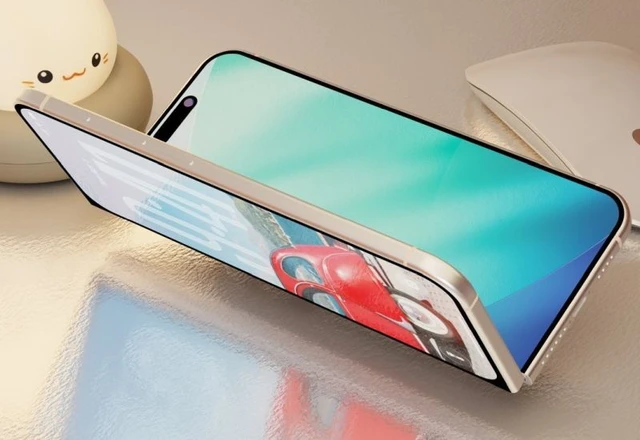 The Phenomenon of the Foldable iPhone Ultra