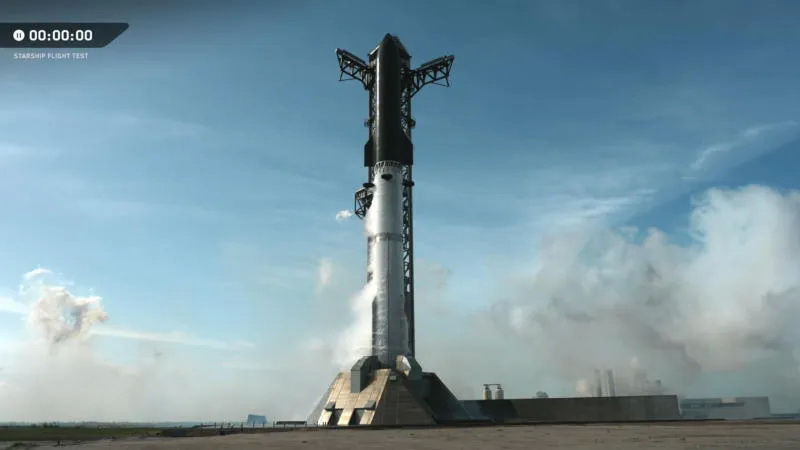
The global space industry is on the cusp of a fundamental paradigm shift in orbital payload delivery. SpaceX, the architect of the modern space age, is preparing to gradually phase out its primary workhorse: the Falcon 9. This evolution marks a pivot from partial reusability toward a vision of total, absolute recovery of every launch vehicle stage. At the heart of this transformation is Starship, engineered to evolve space access from a rare, high-stakes event into a routine logistical operation.
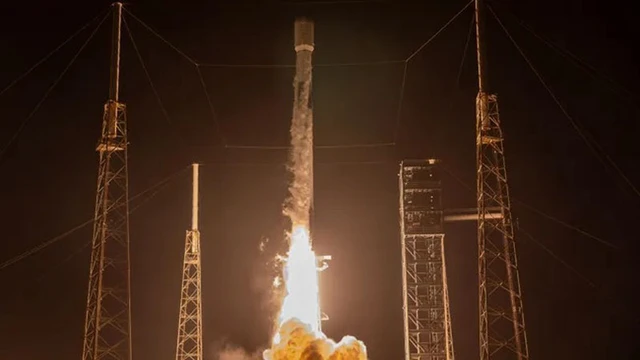
The trajectory of the Falcon 9 has been a watershed moment for the entire aerospace industry. From its maiden flight in 2010 to the present day, with launch counts approaching seven hundred, this rocket has proven the viability of recoverable stages. Yet, even such unprecedented success becomes transient in the face of a new system's ambitions. The decision to phase out the Falcon 9 and its heavy-lift variant, Falcon Heavy, is driven by cold economic calculus: once Starship achieves a stable cadence of several launches per week, the company's resources will be fully pivoted toward scaling the new system to reach a frequency of multiple flights per day.
The technological chasm between the old and new generations is immense. While the Falcon 9—with its 70-meter height and 25-ton payload capacity—was a breakthrough for its time, the V3 iteration of Starship shifts the paradigm entirely. Standing 124.4 meters tall and capable of delivering over 100 tons to low Earth orbit (LEO), the new system effectively renders the capabilities of its predecessors obsolete. The fundamental difference, however, lies in the operational philosophy: while the upper stages of the Falcon 9 and Falcon Heavy remain expendable, both Starship and its Super Heavy booster are engineered for full recovery and rapid reuse.
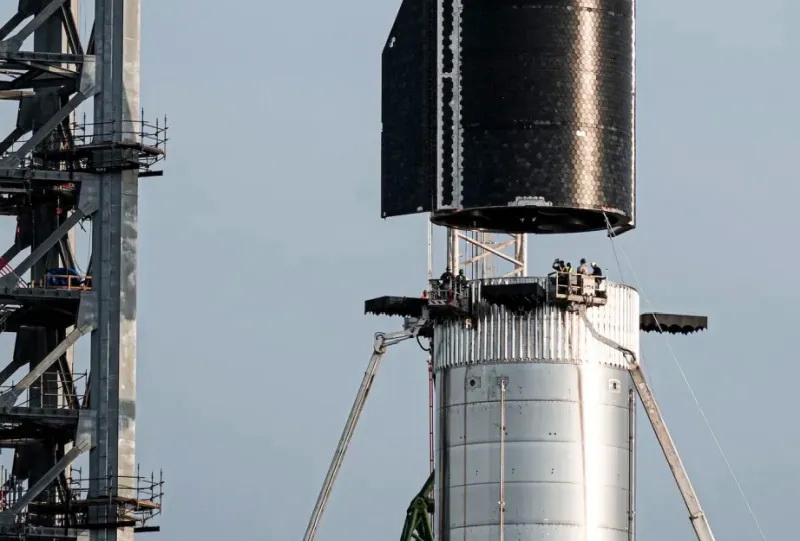
The primary catalyst for this transition is the evolution of the Starlink satellite constellation. In recent years, the Falcon 9 has essentially functioned as a logistical conveyor belt for internet satellites, executing hundreds of launches. However, the next generation of Starlink spacecraft has increased significantly in both dimensions and mass, making their deployment within the Falcon 9 fairing physically impossible. Consequently, the modernization of the communication network is directly tethered to the success of Starship, creating a feedback loop: more powerful satellites demand a more powerful rocket, which in turn stimulates exponential growth in launch frequency.
Beyond commercial imperatives, Starship is becoming the cornerstone of the Artemis lunar program. The contract with NASA envisions a modified second stage serving as the lunar lander to deliver humans to the Moon's surface. By 2028, within the framework of the Artemis 4 mission, the system is expected to validate its efficacy in deep space. This year is viewed as the likely sunset point for the majority of Falcon 9's commercial operations.
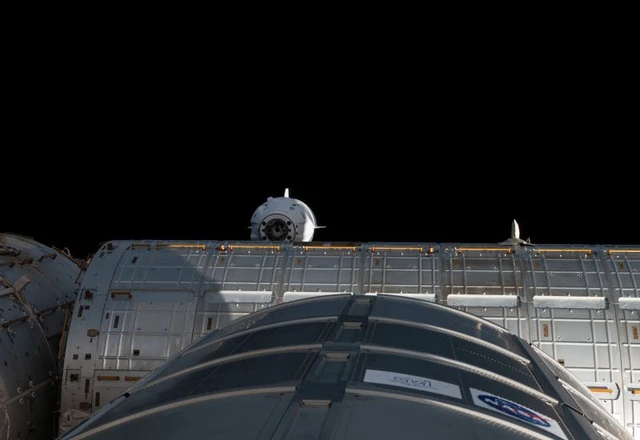
Nevertheless, one domain remains where the Falcon 9 will be indispensable for the foreseeable future: the servicing of the International Space Station (ISS). Docking the gargantuan Starship with the ISS entails critical engineering risks and logistical hurdles that render such an operation unacceptable from a safety standpoint. Therefore, the transport of crews and cargo via the Crew Dragon spacecraft will continue until at least 2030, ensuring a seamless transition between eras.
Despite these ambitious blueprints, the final retirement of the battle-tested Falcon 9 hinges on the pace of Starship's infrastructure scaling. Following thirteen suborbital tests, the system must do more than simply reach orbit; it must demonstrate industrial-grade reliability. The journey from a successful test flight to a regime of "multiple flights per day" requires the creation of an entirely new ground ecosystem, and it is the speed of this construction that will determine the final farewell to the legendary "Nine."
 The Expansion of Computational Power into Space