The tension between the user's right to upgrade hardware and the corporate drive for absolute control over the physical architecture has entered a new phase. Apple, having long balanced the line between modularity and integration, is once again pivoting toward closed-ecosystem hardware. Recent revisions to the Mac mini's internal architecture underscore a rigid trend toward stripping users of any influence over their machine's configuration. This shift transforms the selection of memory capacity from a technical consideration into a purely financial dependency on the manufacturer's pricing tiers.
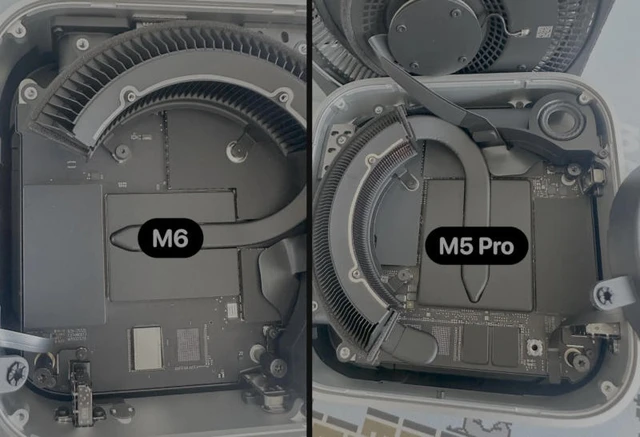
In the personal computing landscape, user-upgradable memory has long been the hallmark of a professional-grade tool. For a time, the Mac mini offered a rare degree of flexibility within the Apple ecosystem: the presence of removable SSD modules allowed users to significantly scale their storage without the need for a full hardware replacement. However, with the arrival of the latest models powered by M5 Pro and M6 chips, this loophole has been closed. Storage is once again soldered directly to the logic board, effectively ending any hope of post-purchase system modernization.
This shift has sent shockwaves through the third-party modification market. Specialized services and vendors, such as Expand Mac mini—which provided high-quality alternative drives—now report an inability to support the latest generations of devices. The transition to fully integrated solutions means users are locked into the configuration chosen at the point of purchase, with no path for scaling the system as data demands grow.
The economic implications of this design choice are particularly stark. There is a cavernous gap between the cost of Apple's official upgrades and the market value of equivalent components. While a third-party 1TB module is valued at approximately $300, Apple charges $500 to upgrade from the base 256GB to 1TB. The disparity becomes even more dramatic with 2TB drives: a third-party solution costs around $420, whereas Apple's official premium reaches $1,000. Consequently, a technical limitation has been transformed into an effective monetization tool, systematically eliminating any alternative paths for memory expansion.
Amidst this trend toward closure, the fate of higher-end workstations remains an open question. Repair manuals for the latest generation of Mac Studio still reference removable SSDs, offering a glimmer of hope that modularity persists in the high-end segment. However, until detailed technical teardowns and independent audits are conducted, this remains purely hypothetical.
Apple's strategic trajectory is clear: the company is pursuing maximum component integration to optimize power efficiency and form factor. Yet, in doing so, it strips the user of the fundamental right to maintain and evolve their own hardware.
 Apple’s Personal Smart Home Hub