The global AI arms race has long since evolved beyond a mere scramble for raw compute and massive datasets. Today, the primary theater of operation has shifted toward the cognitive potential of the next generation of talent. Recognizing this paradigm shift, China is embarking on a systemic overhaul of its educational pipeline, embedding AI across every tier of learning. This strategy is designed to transform technological literacy from a niche specialization into a foundational competency for every citizen.
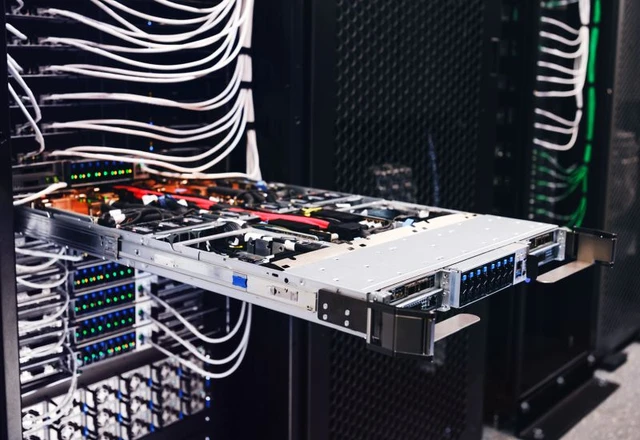
The construction of sprawling neural network infrastructures and the procurement of thousands of GPUs are but the superficial layers of technological progress. True expansion in the high-tech sector is impossible without a corresponding talent pool—one capable not merely of operating existing tools, but of architecting new paradigms of interaction with machine intelligence. This thesis forms the cornerstone of China's new state strategy, which mandates the total integration of artificial intelligence programs across all stages of youth education.
The State Council of the PRC, the country's highest executive body, has approved a sweeping five-year plan. Its objective is to overhaul the educational landscape so that students master the art of effective interaction with AI systems well before entering the labor market. This initiative is a direct manifestation of Xi Jinping's mandate to secure absolute Chinese leadership in frontier technologies. Within this framework, education ceases to be a simple process of knowledge transfer and becomes a strategic instrument for safeguarding national sovereignty.
The program's priorities extend far beyond basic programming. The primary emphasis is placed on cultivating critical thinking and the ability of students to autonomously define problems solvable by AI, subsequently engineering the algorithms to implement those solutions. Such an approach prepares specialists capable of operating at the intersection of multiple disciplines—a critical requirement for the modern knowledge economy.
This strategy is particularly pivotal for the execution of import substitution policies. Technological autonomy in both hardware and software is unattainable without a homegrown workforce capable of designing complex systems from the ground up. The Ministry of Education of the PRC has already issued guidelines to universities to implement specialized courses designed to help graduates adapt to a rapidly transforming job market, where traditional competencies are eroded with every new iteration of large language models (LLMs).
Yet, this ambitious technological leap is tempered by an awareness of social risks. The integration of AI inevitably leads to the automation of numerous professions, which could trigger a surge in unemployment. In this context, the stance of the Chinese judiciary is noteworthy: precedents have already emerged where courts barred companies from terminating employees using AI integration as the sole justification for layoffs.
Consequently, Beijing is attempting a delicate balancing act: accelerating technological progress and preparing future generations for it, while simultaneously installing legal safeguards to maintain social stability. This transforms educational reform into a comprehensive project to modernize society as a whole, where AI serves not as a replacement for human intelligence, but as its essential cognitive extension.
 The Evolution of the Apple Home Ecosystem